
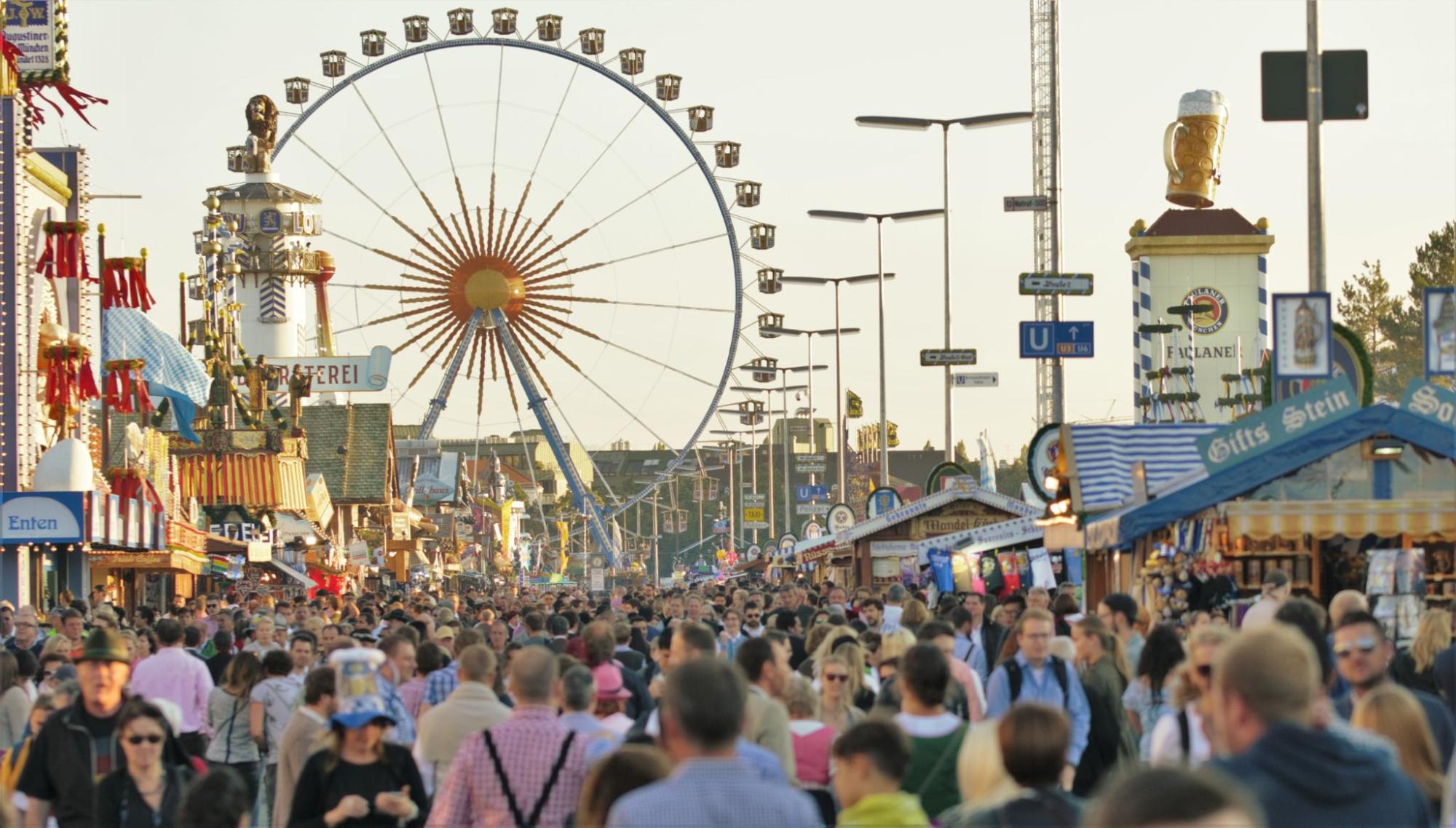
For a more traditional atmosphere, the Oide Wiesn section focuses on Bavarian heritage, with classic music, costumes, and vintage-style rides, offering a quieter contrast to the main festival areas.
Oktoberfest in Munich is one of the world’s most recognizable festivals, drawing visitors from across the globe for its lively atmosphere, traditional beer tents and festive celebrations. While it’s best known for beer, the experience goes far beyond, with music, food, and a strong sense of Bavarian culture shaping the event.
Whether it’s your first time attending Oktoberfest or a return visit, each year offers a slightly different experience. This guide covers everything you need to plan your visit with confidence, from when the festival takes place to where to stay, what to do and how to get around. Knowing what to expect in advance can make a real difference, helping you fully step into the atmosphere upon arrival.
When and where is Oktoberfest in Munich?
Oktoberfest takes place annually in Munich, Germany, typically running from mid-September through to the first weekend in October. In 2026, the festival runs from September 19 to October 4, with events taking place daily across the grounds.
Despite its name, most of Oktoberfest takes place in September and ends on the first Sunday of October, since the festival gradually shifted earlier to take advantage of more favorable weather conditions.
Oktoberfest is held at Theresienwiese, a large open space located just southwest of Munich’s downtown area. The main beer tents, rides, and attractions are spread across the grounds, with multiple entrances providing access from surrounding neighborhoods. The festival traditionally opens with a parade of landlords and breweries, followed by an official ceremony marking the start of Oktoberfest. While Oktoberfest celebrations take place across Germany, the original and most well-known festival is held in Munich.
What to expect at Oktoberfest in Munich
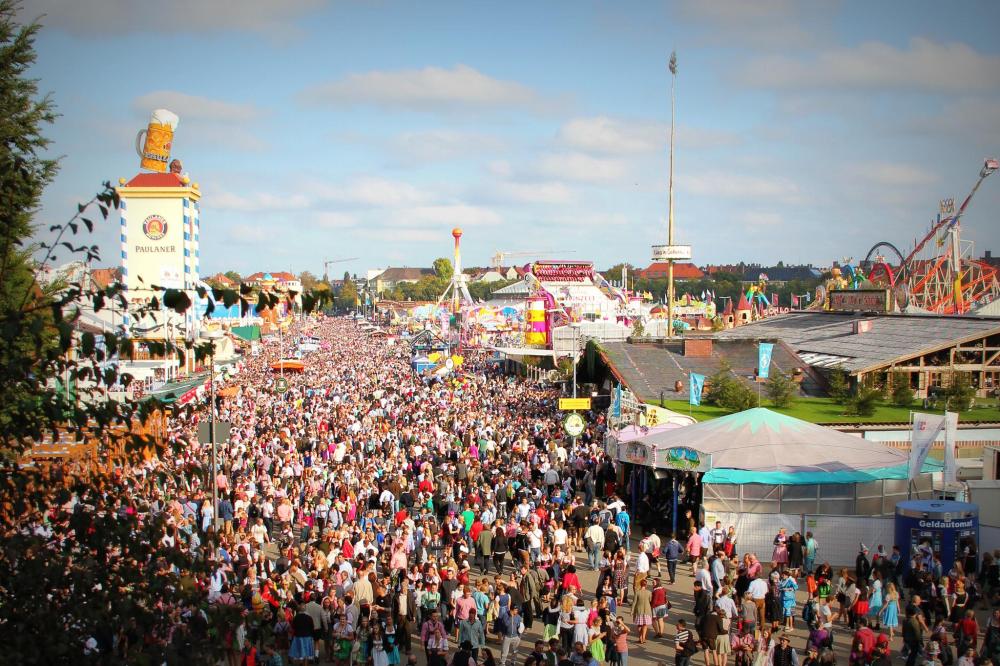
While Oktoberfest is widely recognized, experiencing it in person offers a very different sense of its scale and atmosphere. Knowing what to expect can help you plan more effectively. First held in 1810 as a royal wedding celebration, it has since grown into one of the world’s largest festivals, attracting millions of visitors each year.
The festival takes place on a large site known locally as the Wiesn, where 14 large beer tents sit alongside smaller tents, rides, and food stalls. The grounds are divided into areas, with beer tents on one side and fairground attractions on the other, making it easy to explore beyond a single space. The atmosphere is lively throughout the day, with tents typically opening around 10 am on weekdays and earlier on weekends.
Inside the tents, long communal tables fill quickly, particularly in the most popular venues, where sharing space with others is part of the experience. The main tents can hold thousands of people and often reach capacity in the evenings. Smaller tents offer a more flexible and relaxed way to experience the atmosphere.
More than just the beer
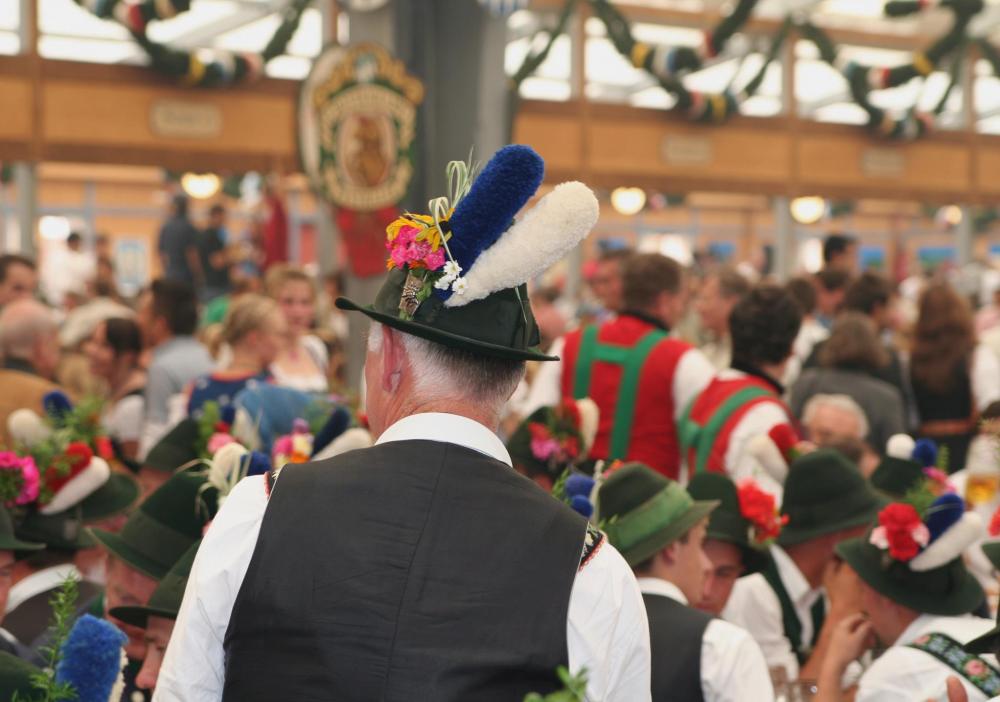
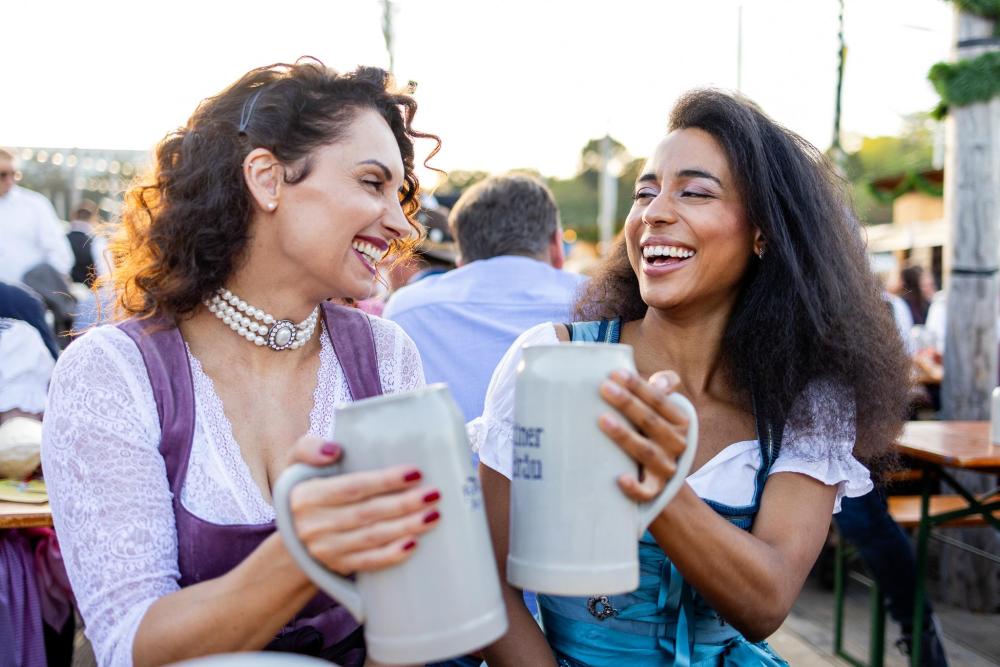
Oktoberfest is as much about Bavarian culture as it is about beer. Locals and visitors often wear traditional clothing, including lederhosen and dirndls, adding to the overall character of the event.
Food is a key part of the experience, with options ranging from roast chicken (hendl), sausages, and pork dishes to large, soft pretzels and sweet treats. Many beer tents also serve full traditional meals, allowing you to spend extended time inside while enjoying both the food and atmosphere. Non-alcoholic beer (alkoholfreies Bier) is also widely available across many of the main tents, with several offering alcohol-free versions of traditional styles like Festbier or Hefeweizen.
Beyond the beer tents, the festival includes fairground rides, live music, and performance spaces, offering a broader experience across the grounds. Attractions like the Ferris wheel provide views over Theresienwiese and the surrounding city, while smaller rides and games add to the lively, fair-like setting.
For a more traditional atmosphere, the Oide Wiesn section focuses on Bavarian heritage, with classic music, costumes, and vintage-style rides, offering a quieter contrast to the main festival areas.
Entry requirements for international travelers
Before traveling to Munich for Oktoberfest, it’s important to understand the entry requirements for Germany, which are based on your nationality.
Do you need a visitor visa?
Since Germany is part of the Schengen Area, travelers from many countries can enter for short stays without a visa. Visitors from the UK, US, Canada, and several other countries can typically stay for up to 90 days within a 180-day period for tourism purposes.
Entry requirements vary depending on your nationality, so it’s important to check the latest guidelines before traveling. Passport validity rules and additional entry conditions may also apply.
How to apply
If a visa is required, applications are usually submitted through the German embassy or consulate in your home country. Processing times can vary, so it’s advisable to apply well in advance of your planned travel dates.
Where to stay during Oktoberfest
With millions of visitors attending Oktoberfest each year, choosing where to stay in Munich can make a real difference to your overall experience. Key factors to consider include proximity to the festival grounds and your budget. A range of accommodation types is available, from upscale hotels and apartments to vacation rentals, and more budget-friendly options. Alternative stays like Oktoberfest campsite experiences are also available, offering a more social and all-inclusive way to stay close to the festival. Accommodation fills up quickly, so booking early is essential, especially for hotels within walking distance of the festival.
Ludwigsvorstadt
Best for: proximity and convenience Located directly next to Theresienwiese, Ludwigsvorstadt is the closest area to the festival. Staying here means you can easily walk to the grounds, making it one of the most convenient options. Expect a lively atmosphere and higher prices during the event.
Altstadt
Best for: first-time visitors combining sightseeing with Oktoberfest Munich’s historic old town offers a central base with easy access to Oktoberfest and other major attractions. While slightly farther from the grounds, Altstadt is well connected by public transportation and offers a balance between sightseeing and festival access.
Maxvorstadt
Best for: a quieter stay with easy access to the festival Maxvorstadt is known for its museums, coffee shops, and quieter streets. It’s a good option if you prefer a more relaxed environment while still being within easy reach of the festival.
Schwanthalerhöhe
Best for: staying close with a quieter atmosphere Located just west of the festival grounds, Schwanthalerhöhe offers easy access to Oktoberfest while providing a slightly more residential feel.
How to get to Oktoberfest
You can easily get to Oktoberfest by public transportation from Munich Airport, and it is also within walking distance of many of the city’s downtown areas.
By U-Bahn (metro)
The U-Bahn (Munich’s underground metro system) is one of the easiest ways to reach the festival. The closest station is Theresienwiese, which provides direct access to the grounds. Nearby stations like Goetheplatz and Schwanthalerhöhe can also offer easier access during busy periods.
By bus
Several bus routes serve the surrounding area, providing additional access points to Oktoberfest. Services may be busier during peak times, so allowing extra travel time is recommended.
On foot
If you’re staying nearby, walking is often the most convenient option. Many downtown neighborhoods are within walking distance, and pedestrian routes are clearly marked during the festival.
Travel tips for the festival
To help you make the most of your time at Oktoberfest, these practical tips can enhance your overall experience.
Arrive early and time your visit
Entry to the festival is free, so arriving early helps secure a seat, particularly in the main tents. Weekdays, especially between Tuesday and Thursday, tend to be less crowded, while Saturdays are typically the busiest.
Book accommodation well in advance
Accommodation in Munich during Oktoberfest fills up months in advance, so booking early is essential, particularly for hotels within walking distance of the festival. Staying farther from the grounds can offer more availability and better value, with easy access via public transportation.
Understand how seating works
Seating in the beer tents is limited and can fill up quickly. You can reserve tables in advance for larger groups, typically with a minimum spend on food and beverages, while unreserved areas are communal and available on a first-come, first-served basis. Finding a seat is generally easier earlier in the day and on weekdays. Smaller groups tend to have more flexibility, and outdoor beer gardens offer additional unreserved seating.
Bring cash
While some tents and vendors accept card payments, many still operate on a cash basis. Onsite ATMs can have long lines and may charge withdrawal fees.
Pace yourself
With large two-pint beer steins served throughout the festival, pacing yourself and staying hydrated can help you enjoy the experience over a longer period of time. There’s no need to rush, with plenty of opportunities to enjoy the atmosphere throughout the day.
Understand the bag policy before you go
Only small bags are permitted (up to 0.8 gallons or 7.9 x 5.9 x 3.9 inches) and all bags are checked upon entry. Larger bags and restricted items, including glass bottles and spray cans, are not permitted.
Plan ahead for luggage storage
large items of luggage must be left at designated storage areas for a fee (typically around €5). If you have a case, it’s best to arrive early, since capacity is limited and space is not guaranteed.
Embrace local traditions
Oktoberfest is rooted in Bavarian culture and wearing traditional clothing like lederhosen or a dirndl is part of the experience. Taking part in these traditions adds to the overall atmosphere and sense of occasion.
Follow festival etiquette
Standing on benches is common, but standing on tables is not permitted. Keep beer steins within the tents, and it’s customary to say “Prost” (cheers) before clinking glasses.
Check policies for strollers and personal items
Strollers are permitted on the festival grounds, but not on Saturdays or October 3 (German Unity Day), and they may be restricted during busy periods.
What to do in Munich beyond Oktoberfest
While Oktoberfest is the highlight of the season, Munich offers plenty to explore beyond the festival grounds. With mild early fall weather, it’s an ideal time to experience the city’s outdoor attractions, parks, and nearby day trips.
The historic center is home to landmarks like Marienplatz and the Glockenspiel, while nearby parks like the English Garden provide space to unwind. You can also explore the city through guided walking tours, bike tours, or food experiences that highlight Bavarian cuisine.
Day trips to destinations like Neuschwanstein Castle or the Bavarian Alps offer a chance to see more of the region, while brewery tours provide a different perspective on local culture. Museums, galleries, and local markets offer additional ways to experience the city, and traditional Bavarian restaurants allow you to enjoy regional dishes outside the festival setting.
Plan your Oktoberfest experience in Munich
Oktoberfest is a one-of-a-kind event that blends tradition, atmosphere, and strong Bavarian culture. If this is your first time heading to the festival, having a few key details in place, including when to go, where to stay and how to navigate the experience like a pro, can help you make the most of your visit. With the right preparation, you can enjoy the best of both the festival and the city. Balancing time at Oktoberfest with opportunities to explore Munich beyond the grounds allows for a more complete and rewarding experience.