Chalet vs. cabin: What’s the difference?

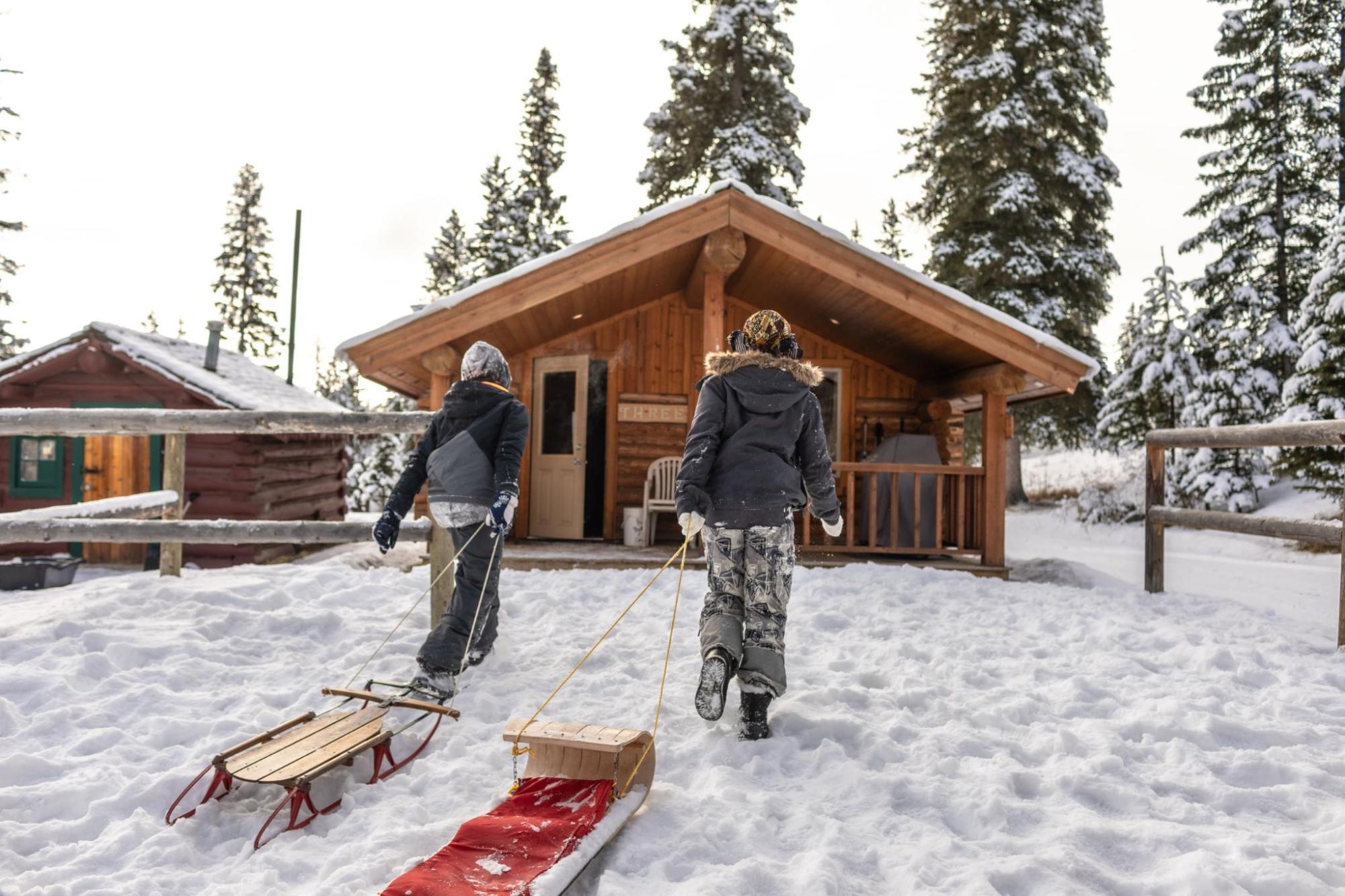
- Chalets offer luxury accommodations for travelers looking for holidays in scenic locations and tend to offer amenities like saunas, hot tubs, and gourmet kitchens
- Cabins are generally more modest and provide a peaceful getaway focused on connecting with nature – they often provide basic amenities like a simple kitchen and a small fireplace
Sometimes, we all need a break from the daily grind. A quiet, secluded getaway is a great way to immerse yourself in nature and enjoy a peaceful retreat. When deciding where to stay, you may find yourself choosing between two cozy options – a cabin or a chalet. But what sets them apart and which one would be best for you?
When planning your trip, the chalet vs. cabin debate plays a significant role in determining the style and comfort of your stay. While both promise a comfortable retreat in nature, there are some key differences between them. Whether you’re looking for a rustic hideaway or a stylish mountain lodge, understanding these differences will help you find the ideal stay for your next escape.
What is a cabin?

A cabin is a small, wooden house typically found in remote areas such as forests, mountains, or lake sides. Originally from Scandinavia and Eastern Europe, cabins were used as temporary shelters before evolving into permanent countryside homes. When European settlers brought log cabin construction techniques to North America, cabins became a symbol of rural living and nature retreats. Today, cabins retain their traditional charm while incorporating modern comforts. Whether it's a cozy, off-grid hideaway or a fully-equipped vacation home, cabins are focused on simplicity, nature, and relaxation.
The characteristics of a cabin
A cabin is typically small and simple in design, featuring a single-story, one-room layout. They’re typically made of oak, maple, or pine wood. Their interiors are usually practical, with exposed wood and stone fireplaces adding to their rustic charm.

Building process of cabins
Cabins are traditionally built using logs or wooden planks – a method that early settlers followed, stacking tree trunks to form walls. Over time, construction evolved to include interlocking corners and insulation for better durability. Today, cabins are built on top of concrete, stone, or wooden pier foundations. Logs are stacked with corner cuts for stability, sloped roofs provide weather protection, and interiors feature wood or stone fireplaces. Once windows and doors are added, modern amenities like plumbing and electricity are installed.
Popular locations for cabins
Cabins are typically found in remote, natural areas. Often located in forests, mountains, and lakeside regions, they’re ideal for outdoor activities like hiking and fishing. In the United States, popular cabin destinations include the Smoky Mountains in Tennessee and North Carolina, the Rocky Mountains in Colorado, and the Adirondacks in New York.
In Alberta, Canada, both Banff National Park and Jasper National Park have beautiful cabins. Europe also has stunning cabin locations, such as the Swiss Alps in Switzerland, Germany’s Black Forest, and Lapland in Finland. In the eastern hemisphere, destinations like New Zealand’s South Island, the Blue Mountains in Australia, and the Japanese Alps are the best destinations for cabin stays.
What is a chalet?
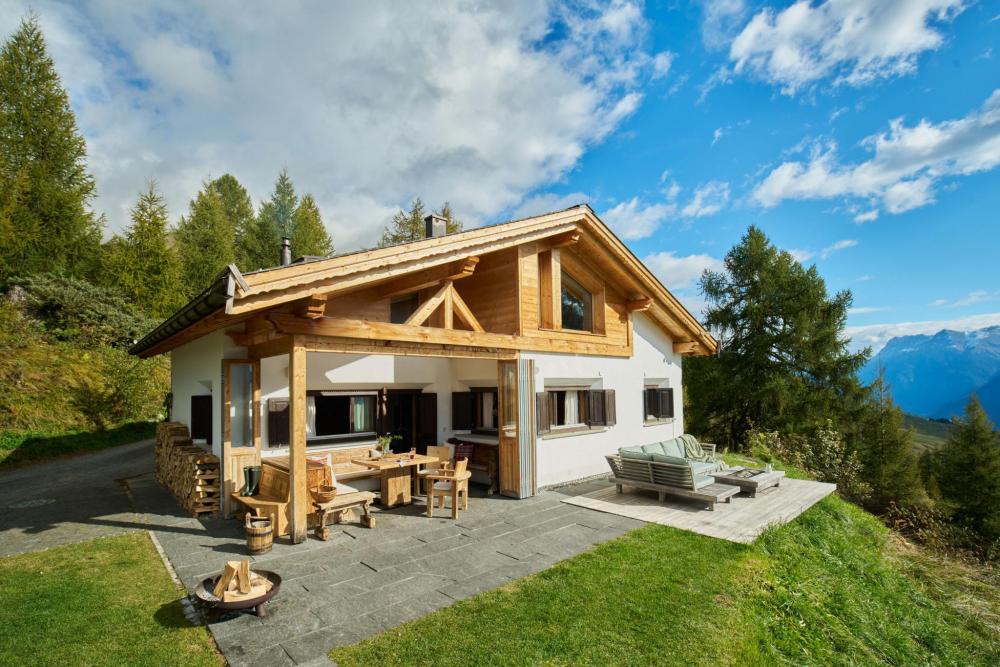
A chalet is a free-standing house typically made of wood and featuring a sloped roof with wide overhanging eaves. Chalets are often rented out as an entire property, but can also be divided into smaller units. Originating in the Swiss and French Alps, chalets were used by shepherds and dairy farmers as seasonal homes. By the 19th century, their charm attracted travelers, leading to high-end chalets designed for comfort and relaxation in alpine settings.
Today, chalets serve as upscale vacation homes, ski lodges, and boutique mountain retreats. Known for their spacious interiors, large balconies, and panoramic views, chalets offer a blend of rustic elegance and modern convenience, making them ideal for those who want both scenic adventure and high-end comfort.
The characteristics of a chalet
Chalets typically have large balconies and gently sloping roofs designed to withstand heavy snowfalls. They tend to be square in shape, one or two stories tall, and have wide roofs. There’s a central room with a high ceiling, which gives chalets their distinctive look. Inside, they feel warm and cozy, often featuring fireplaces, exposed beams, and large windows that offer stunning mountain views.

Building process of chalets
When comparing their building styles, there are some differences between a chalet and a cabin. Like the latter, traditional Swiss chalets are built using wood and stone. Their walls are made of thick timber planks arranged in a style similar to log cabins. Modern chalets have strong foundations, often made of stone and concrete, to ensure stability on uneven terrain. Construction begins with assembling the wood and stone framework for a sturdy foundation. A gently sloping roof, large windows, and balconies are installed, followed by insulation, electricity, and plumbing.
Popular locations for chalets
Chalets are most commonly found in mountain regions, especially in popular ski destinations. The Swiss, French, and Austrian Alps are home to some of the world’s most famous chalets. In Canada, they’re popular in places like Banff and Whistler (British Columbia), while the Rocky Mountains in the US also have many chalet-style buildings. For those seeking chalets outside the traditional Alpine regions, notable locations include New Zealand’s Southern Alps, Japan’s Hakuba Valley, and the Scandinavian mountains.
Chalet vs. cabin: Choose what’s best for you
What’s the difference between a cabin and a chalet? Understanding these distinctions can help you choose the right accommodations for your getaway. While both offer comfort in nature, their designs, layouts, and purposes vary significantly.

Chalet | Cabin | |
Design and architecture | Known for their large windows, sloping roofs, and spacious balconies, exuding a sense of grandeur and openness. | Simpler, compact design, with thicker wooden walls for insulation and a cozy charm. |
Layout | Typically feature multi-story, open-plan interiors, ideal for larger groups or families. | Tend to have single-story layouts, emphasizing simplicity and a rustic feel. |
Location | Often found in alpine ski resorts like the Swiss, French, and Austrian Alps, catering to high-end travelers and winter sports enthusiasts. | More versatile, located in forests, lake sides, and mountains for more secluded stays in nature. |
Purpose | Most offer grand accommodations for luxury trips to scenic locations. | Generally more modest and provide a peaceful getaway focused on reconnecting with nature. |
Amenities | Tend to offer modern amenities like saunas, hot tubs, and gourmet kitchens. | May focus on basic amenities like a simple kitchen and a small fireplace. |
The debate reveals that each option caters to different styles and traveler types. Chalets typically offer a luxurious setting with modern comforts and ample space, making them a favorite among families and skiers. On the other hand, cabins provide a quiet, rustic charm perfect for couples or solo travelers seeking a secluded retreat in nature. For adventure travelers looking to disconnect and embrace a rugged, off-the-grid experience, a remote cabin might be the right choice. Ultimately, whether you lean toward the elegance of chalets or the simplicity of cabins will depend on the vacation experience you want.