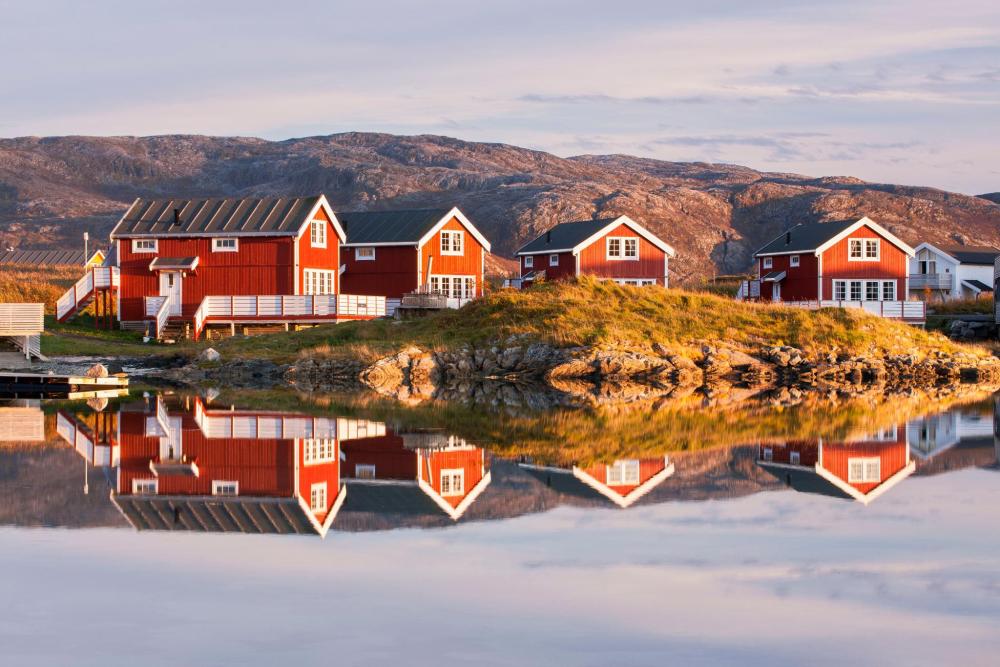
How summer solstice is celebrated around the world

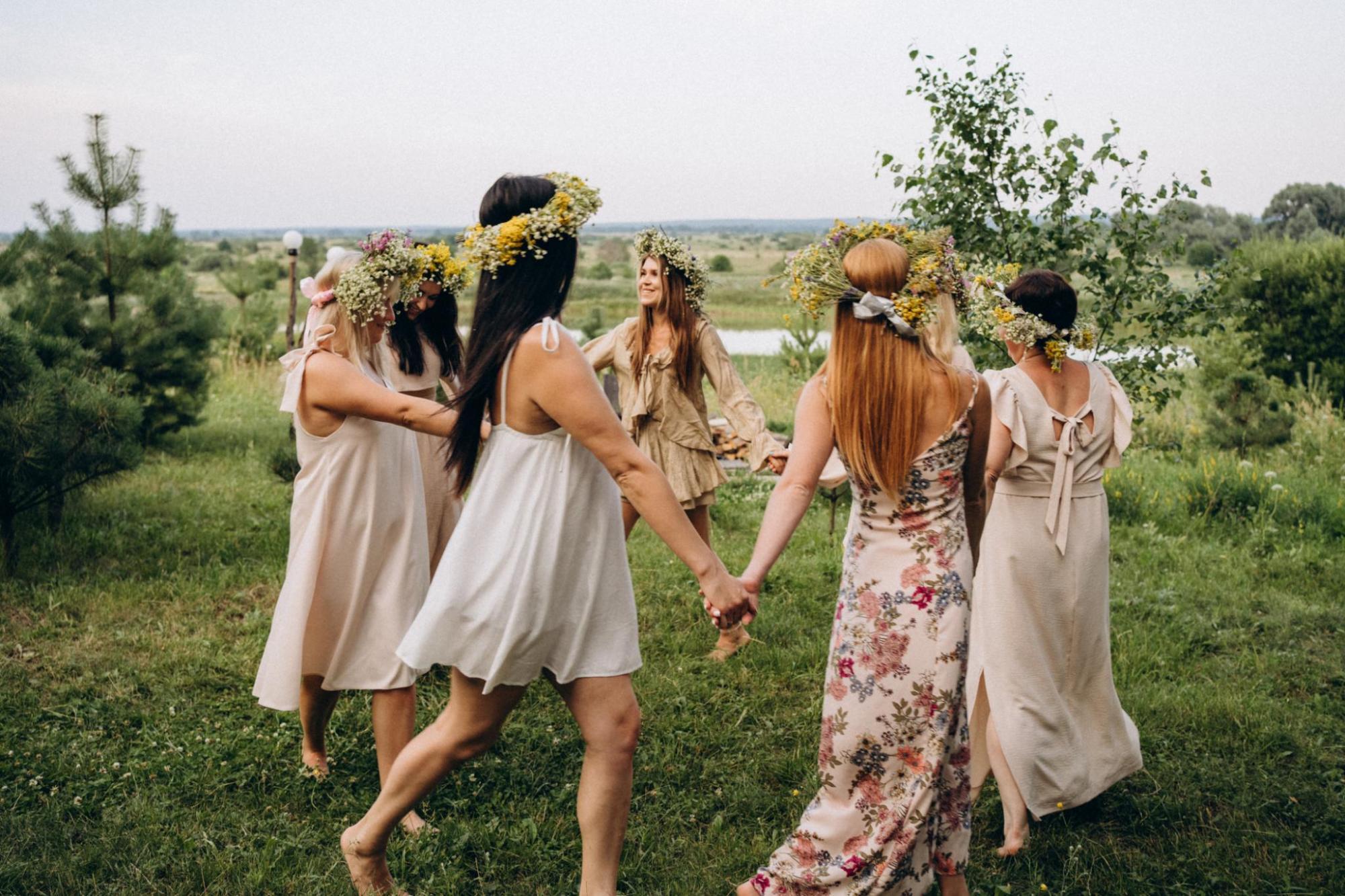
- For chanting and dancing with a neolithic backdrop, head for Stonehenge in the UK
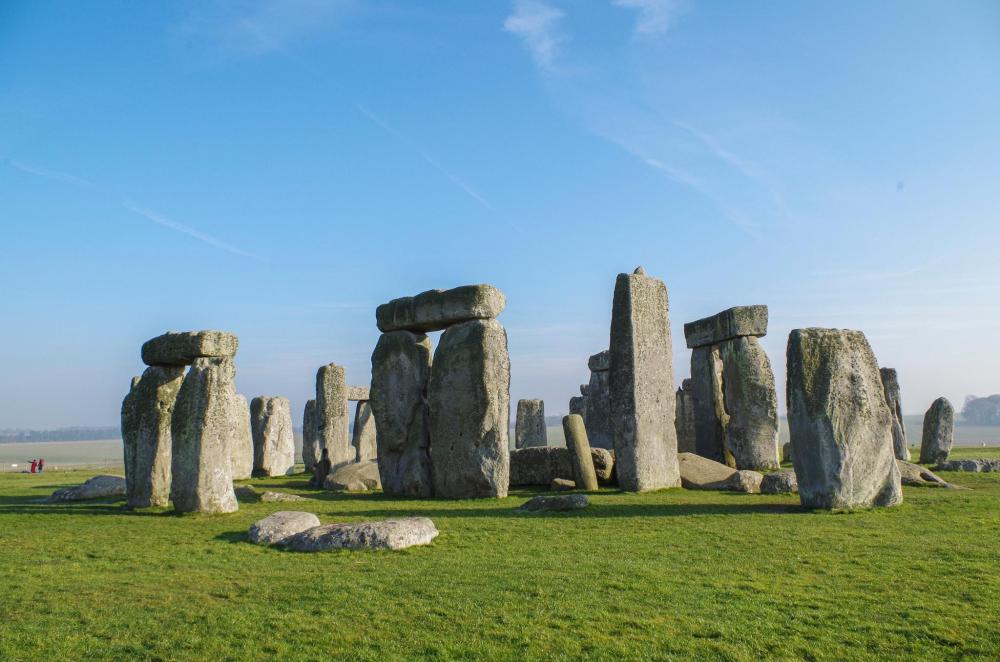
- For maypole dancing, flower crowns, and feasting al fresco, go for Sweden
- Do bonfires, fireworks, and partying sound more your speed? Jet off to Spain for Hogueras de San Juan
The summer solstice has long been a time of celebration – and it’s easy to see why. As the longest day of the year, it brings light, warmth, and life after a long winter. For ancient cultures, this moment symbolized fertility, prosperity, and the promise of a successful harvest, making it a natural time for festivals and gatherings.
Over centuries, the solstice—often called midsummer—has also inspired religious rituals and spiritual traditions, all centered around honoring the sun and the welcome turning point the solstice represents in the natural year.
What is the summer solstice?
The summer solstice marks the longest day and the shortest night of the year. This day occurs when half of the Earth is tilted most directly towards the sun, meaning the sun takes its highest and longest path across the sky.
When is the summer solstice?
In the UK, and the rest of the Northern Hemisphere, the summer solstice takes place every June. However, the exact date varies: Sometimes the solstice falls on June 20, sometimes on June 21, and occasionally on June 22.
Why does the date of the summer solstice vary? The Gregorian calendar, which we use in the UK, doesn’t perfectly match the Earth’s orbit. Our calendar accounts for 356 days in a year, when actually it takes Earth around 365 and one-quarter days to orbit the sun. This means that each year, the solstice happens around six hours later than it did the previous year. But every four years, we have a leap year, which shifts it back again.
Summer solstice celebrations around the world
While the summer solstice has ancient roots, it’s still celebrated to this day. Here are seven of the biggest midsummer celebrations around the world.
1. Stonehenge, UK
People are believed to have been tracking summer solstices at Stonehenge – a UNESCO-crowned neolithic stone circle – since around 2600 B.C.E. It’s thought that Neolithic farmers constructed the landmark in order to track the summer and winter solstices.
Today, Stonehenge’s summer solstice celebration starts the evening before the big event, with visitors arriving before sunset and staying overnight until dawn. Among the tens of thousands of people who attend, you’ll find modern druids and pagans, as well as travelers from all over the world.
This isn’t an official festival, and alcohol and speakers are both banned in order to protect the peaceful vibe. However, throughout the night people sing, chant, dance, and socialize. You can also walk among the stones—a very special experience since they are roped off during the rest of the year—but visitors are asked not to touch or climb them. Then comes the big moment: sunrise. On the summer solstice, the sun rises behind Stonehenge’s Heel Stone, and the first rays shine into the center of the circle.
2. Midsommar, Sweden
Head to Sweden in time for the summer solstice, and you’ll be greeted with singing, maypole dancing, and lots of flower crowns. Midsommar is perhaps the biggest modern solstice celebration in the world, with party-goers making the most of the fact that the sun sets very late on the solstice in Sweden (and in the far north barely sets at all). As well as private celebrations, public events are organized in parks and villages.
Ahead of Midsommar, Swedes often leave cities and head for the countryside or the coast. The festival is celebrated on Midsummer’s Eve, when people gather to enjoy outdoor feasts with pickled herring and grilled meats, and dance around the maypole while singing traditional songs. Homes and tables are decorated with flowers and greenery, and people make flower crowns to wear. The next day—Midsummer’s Day—is a public holiday, allowing people to celebrate together over a long weekend.
3. Hogueras de San Juan, Spain
Welcome to Spain’s lively summer solstice party – Hogueras de San Juan (Bonfires of St John), which is a massive festival held in June. It combines ancient pagan solstice rituals with the Christian feast of St. John. The result? A week of bonfires, parades, fireworks, and partying.
Unlike many other solstice celebrations, Hogueras is very urban and arty. Neighborhood groups create huge, often-satirical sculptures from wood, cardboard, or papier mache, and display them in the streets for days before they’re burned. Throughout the week, there are also fireworks shows, parades, bands, and street tents, where people eat, drink, and dance into the night.
In Alicante, where the biggest event takes place, the city essentially becomes one big outdoor party. The final night—La Nit de la Cremà (The Night of the Burning)—starts with a huge firework display, followed by the lighting of the main bonfire (complete with sculptures) followed by hundreds across the city. As the fires grow, firefighters spray water over the crowd, and some attendees head to the sea for a midnight swim.
4. Jāņi (or Līgo), Latvia
Visit Latvia to experience the country’s ancient summer solstice traditions. At Jāņi (often called Līgo) Latvia’s midsummer festival, many families stay up all night, celebrating under the light summer sky. Bonfires are central to the festival – participants build and light the fires before jumping over them. Locals pick flowers and oak leaves to weave into leaf crowns, and herbs which are said to be more powerful when picked on Jāņi Eve.
During the festival, families enjoy traditional meals outside. On the table, you’ll usually find rye bread, pork, and beer, while cheese with caraway seeds is a symbolic dish that’s eaten throughout the celebration. You can also expect plenty of traditional music, folk dancing, and games.

5. Inti Raymi, Peru
Inti Raymi (the Festival of the Sun) is celebrated in Peru every year on June 24, with most celebrations taking place in Cusco. The event actually takes place around the time of Peru’s winter solstice, but the celebrations still center around the sun. In fact, this is one of the most important celebrations of Inca culture still observed today.
Originally a religious ceremony of the Inca Empire, Inti Raymi marks the beginning of a new agricultural cycle. The festival opens with a reenactment of the Inca ceremony, with participants performing rituals and making offerings to the sun. There’s a ceremonial procession, with thousands of performers in colorful clothing, and plenty of traditional music and Andean dance performances.
6. Juhannus, Finland
One of Finland’s most important national holidays, Juhannus celebrates summer, nature, and long, light days. On Midsummer’s Eve, Finns head out into nature and light large bonfires. Communities congregate around these fires overnight, often singing and dancing. They feast on foods like grilled fish, sausages, new potatoes, and rye bread, and drink beer or sima (a mead-like beverage). Other Juhannus activities include boating, fishing, swimming, and hiking. In some areas, you’ll find public fairs and carnivals, but private celebrations are more traditional.
7. Fête de la Musique, France
France’s Fête de la Musique (also known as World Music Day) takes place on June 21 every year – often coinciding with the summer solstice. Fête de la Musique is not an ancient midsummer ritual, but a day that brings the streets to life, with free musical performances in public spaces and people staying out late to enjoy the long hours of light.
The festival stretches all across France, and both professional and amateur musicians participate, playing music that spans a wide array of genres. Paris is a real highlight: The Eiffel Tower, Montmartre, and other open-air stages host hundreds of performances. However, you’ll find plenty of free performances in France’s other cities, as well as in smaller towns and villages.
8. The midnight sun
For a truly special summer solstice experience, consider venturing north to see the midnight sun. In places inside or very close to the Arctic Circle, on the summer solstice, the sun never sets. This means continuous daylight throughout the night. With beautiful scenery bathed in soft golden light, you can hike, swim, or celebrate outdoors without darkness interrupting the day.