
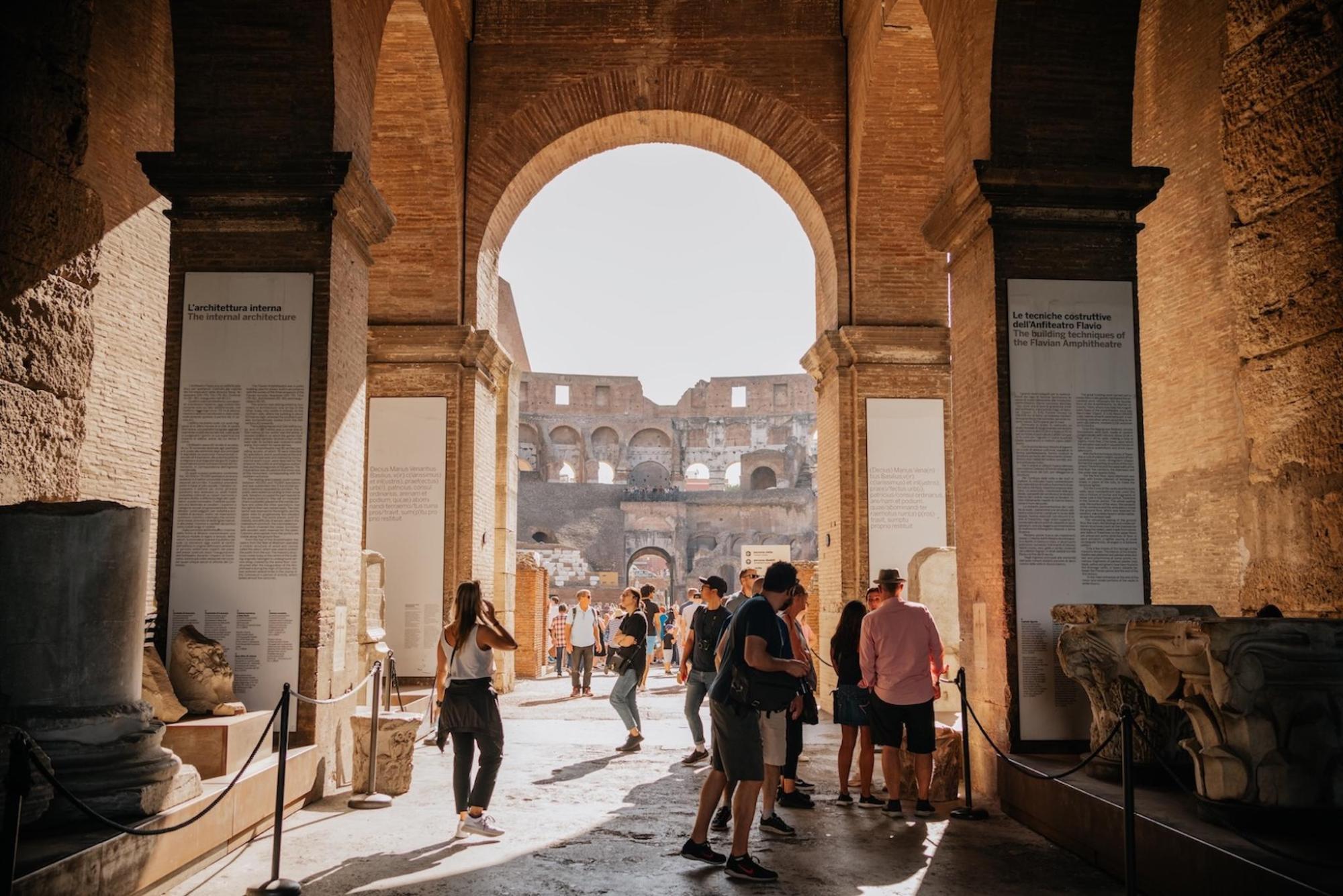
The summer brings warmer weather, longer evenings, and vacation fun. If you’re traveling to Italy this year, discover how to make the most of your summer with our travel hacks. Whether you’re visiting Italy for the first time or you’re a seasoned pro, our tips and tricks will help make your adventure unforgettable.
1. Optimize your travel dates
Italy promises a summer of sun, relaxation, and breathtaking views. However, with some areas warmer and more affordable than others, how do you pick the best destination and timing for your trip?
Choose your destination based on weather preferences
One of the most important summer tips for Italy is that the weather isn’t the same everywhere. For example, Sicily typically experiences summer highs at around 95º. The island even smashed European record temperatures in 2021, reaching 119°. Some areas are cooler than others. For example, the Dolomites often only see highs of about 82º. Knowing what kind of weather you prefer will help narrow down the options.
Make the most of flexible flight fares
Still not sure where you want to go in Italy this summer? Well, with Booking.com’s flexible flight fares, you can discover new horizons with flexible flights to global destinations. Simply select your destination as “anywhere” and see which prices work best for you.
If you haven’t landed on your vacation dates either, you can browse prices by location for a specific month or up to the next six months for your trip duration.
Worried about changing your mind last minute? No need to stress if you buy a flexible ticket. Change your flight time or date up to 24 hours before your departure time with select airfares. You’ll keep your original airline and route, and just pay the fare difference – if there is any. Planning just got that much easier.
Use Genius flights price alert
Save on travel this summer with Booking.com’s in-app price alerts in your pocket. As a Genius member, you’ll get notifications when flight prices to Italy go up or down, so you can book when the time is just right. Now that’s a summer travel hack.

2. Master the transportation system
Italy has various transit systems, great for exploring the country. However, certain hacks can make travel even smoother. From validating your ticket to visiting remote areas, learn how to master public transit with these tips for Italy.
Use regional transportation efficiently
When it comes to regional transportation, there are some tips that can make travel stress-free:
Validate your ticket – some bus and train tickets require validation after purchase in Italy. To validate a paper ticket, look for a yellow or green machine in the station. Then just put your ticket in the slot, and it’ll come out stamped. For e-tickets, some require digital check-in (often via the app you bought it from), while others don’t need any validation. Always check the specific ticket instructions in advance to avoid any fines.
Check for delays – Transportation strikes (scioperi) are fairly common in Italy. To avoid any disruptions, check official websites and the latest lists of running trains for your route. They’re sure to show up even in case of a strike.
Use buses to get to more remote areas – Buses are a great way to reach smaller towns. Some even travel to neighboring countries.
Consider renting a car
Renting a car is a great option to make sure you see everything you want in remote areas of Italy. For example, destinations like the Italian Alps aren’t as well connected to public transit. By renting a car, you can explore Italy at your own pace.
3. Make the most of attractions
Italy is home to some of the most awe-inspiring attractions in the world. From the Vatican Museum to Gallerie Degli Uffizi, you’ll have tons to explore. To make your adventure as smooth as possible, here are some key tips and tricks:
Many museums are closed on Mondays – After the weekend rush, many museums and heritage sites shut down on Mondays. Don’t forget this if you didn’t get tickets in advance.
Consider dress codes – Some attractions in Italy enforce specific dress codes, so don’t risk getting turned away upon entry. For example, flip-flops, low-cut dresses, miniskirts, shorts, and hats aren’t allowed at the Vatican Museum.
Make the most of free entry days – Sunday at the Museum—or Domenica al Museo to locals—is a national initiative that offers free admission to state museums and archaeological sites on the first Sunday of each month. This was launched by the Ministry of Culture to make art and history more accessible. This includes major attractions like the Colosseum. Participation can vary, so it's always best to check in advance.
Invest in a City Pass – If your itinerary is really packed, a City Pass is a great way to get discounted, or even free, admission to various museums, historical sites, and even some public transit.
4. Get familiar with Italy’s beaches
The coast is the perfect place to kick back and relax any summer. But there are a few things to know before hitting Italy’s beaches.
Public beaches vs. Beach clubs
Italy has two main types of beaches – public beaches and beach clubs. Public beaches are a great way to access Italy’s coast for free. For something a little more exclusive, beach clubs are private stretches of beach that allow for a quieter experience.
Some areas in Italy have more public beaches than beach clubs, and vice versa. For example, Rimini is known for its beach clubs, whereas public beaches are more common in Sicily. Knowing what kind of beach you’d prefer will help you pin down the best destination for you.
Check the beach’s accessibility

5. Explore Italian culture
When it comes to exploring Italy’s culture, there are a few things that can make your trip even more authentic. Learn about local cuisine and how to shop like an Italian.
Eat like a local
Knowing local customs will make meals at every restaurant even better.
Italy typically eats later than northern European countries. While times vary by region, breakfast is normally eaten around 7–9 am, lunch at 12:30–2 pm, dinner around 8–9 pm. In fact, many traditional restaurants won’t even open until 7 pm for dinner.
When it comes to ordering at an Italian restaurant, menus are often separated by primi (first courses) and secondi (second course). Not to be confused with starters and mains, both primi and secondi are the main parts of the meal. Primi are often dishes of pasta, rice, or soup, while the secondi dish usually consists of meat or fish.
Other key phrases found on menus include:
Antipasti (“before meal”) – Small, savory appetizers like cold cuts, cheese, and olives. They’re similar to a starter.
Contorni (“side dish”) – Typically consist of vegetables.
Dolce (“sweet”) – Dessert.

Drink coffee like a local
Are you a coffee lover? Then knowing the art of espresso in Italy is essential.
Italians enjoy espresso throughout the day, including at dinner. If you prefer some milk with your coffee, like in a cappuccino, Italians would opt for this type of coffee in the morning, usually before 11 am.
For the latte lovers, remember that latte simply translates to “milk” in Italian. To avoid a plain glass of milk, make sure to ask for a caffè latte (coffee with milk).
How to shop
Italy is famous for the outstanding quality and craftsmanship of its leather. If you’re on the hunt for a new jacket or shoes, leave some extra space in your suitcase for purchases.
As with any international trip, learning some basic phrases can go a long way. Knowing “please” and “thank you” (per favore and grazie) will help make shopping seamless.
After all, some of the world’s best shopping outlets are in Italy, so keep your eyes peeled for bargains.
Explore Italy with our summer travel hacks
With these travel hacks, your trip to Italy is bound to be both smooth and authentic. By finding the best flight options to mastering public transit, your travel will be as relaxing as possible. Grab your sunglasses, shoes, and camera – it’s time to travel to Italy.