The Top 5 Adventure Vacations In The US

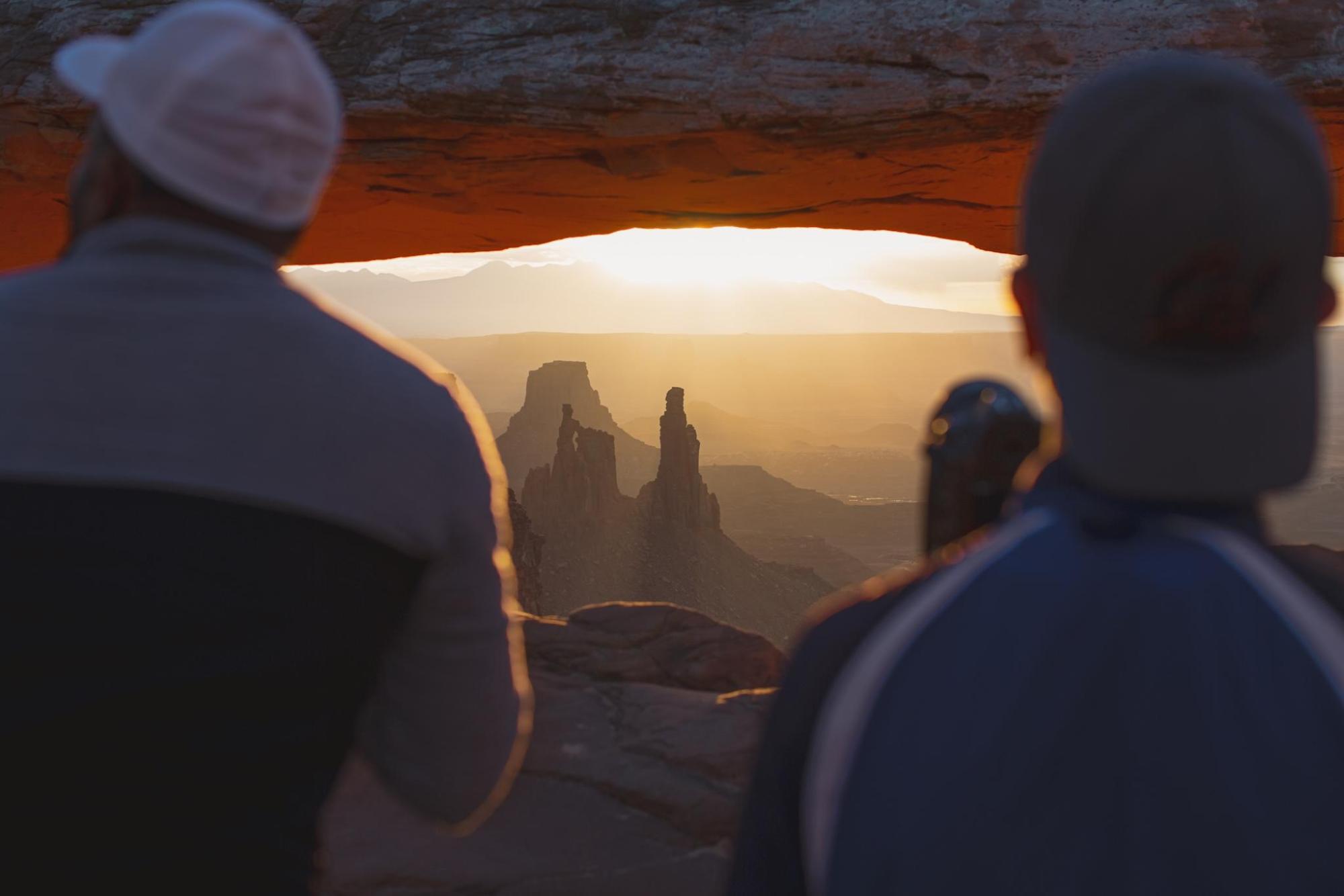
In this guide, you’ll find five of the best US adventure destinations, from hiking and rock climbing in Yosemite National Park to skydiving in Las Vegas and swimming with sharks in Hawaii. Take the plunge and discover the joys of adventure travel.
Top 5 adventure vacations in the US
1. Moab, Utah
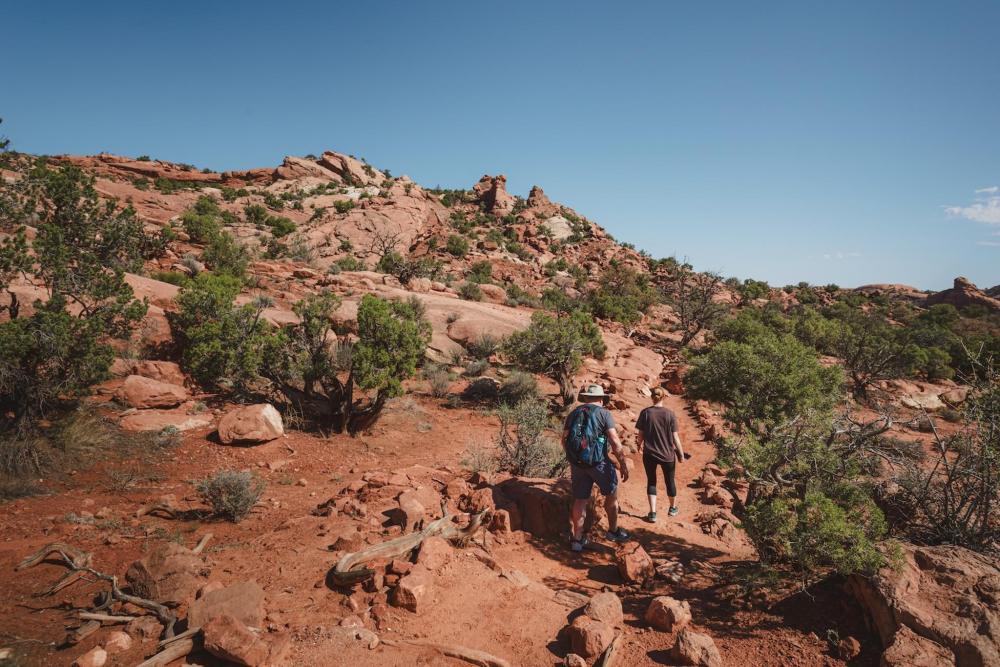
Moab is known for its sparse deserts and red rock formations. Situated 370 kilometers southeast of Utah’s largest city, Salt Lake. Moab is also a short drive – an iconic landscape famous for its sandstone buttes and Wild West imagery. Moab’s most famous attractions are Arches National Park and Canyonlands National Park, both acclaimed for their hiking trails and imposing geological features. The best time to visit is in spring or fall when the crowds are smaller and the summer heat is less extreme.
Adventure travel activities in Moab
Moab’s desert topography lends itself well to adventure vacations such as off-roading, canyoneering and mountain biking. The Slickrock Trail is one of the most famous biking routes in the US, renowned for its challenging sandstone terrain. Similar otherworldly geology can be experienced with guided canyoneering tours of the Medieval Chamber and Granary Canyon – two basins shaped by millennia of water flow. Alternatively, off-roading and ATV tours are available at Hell’s Revenge, while tamer, more scenic drives can be experienced at Dead Horse Point State Park – a great spot for views of the Canyonlands.
Who would love Moab
Although Moab offers outdoor activities suited to thrill seekers of all ages and experience levels, it may be better to visit without small children to get the most from your trip. For travelers looking to push their limits during the day and relax in the evening, spend a day hiking through the desert before retiring to one of Moab’s designated ‘dark sky regions’ for a romantic evening under the stars.
Where to stay in Moab
There are many different areas to stay in Moab, each offering something unique. Downtown Moab provides plenty of places to stay and is within walking distance of many of the region’s best bars and dining options. A popular spot Downtown is The Gonzo Inn – a hotel equipped with an outdoor pool, free WiFi and parking. Alternatively, South and West Moab, a ten minutes’ drive from Downtown, offer quieter retreats and desert cabins suited to large families and groups.
2. Hood River, Oregon
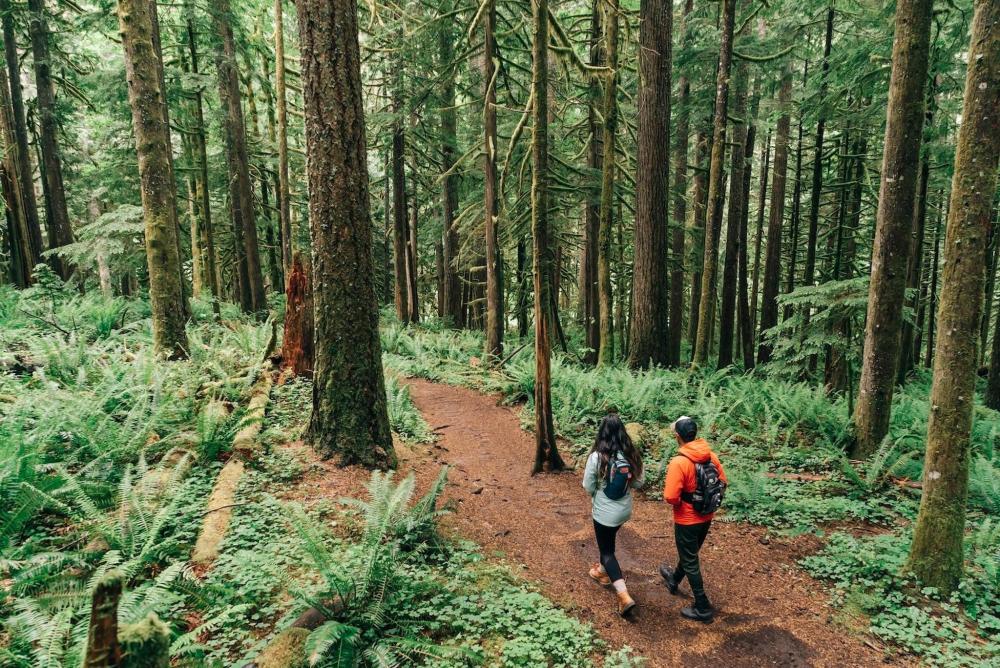
Located 97 kilometers east of Portland, Hood River is a city with a small-town vibe and a thriving food and craft beer scene. This homely atmosphere makes for a great base after hiking up Mount Hood or windsurfing on the Columbia River. The best time to visit the city depends on the outdoor adventure you’re looking for. During the busier summer months, longer daylight hours allow for more time on the water, while in winter, temperatures drop below zero and ski resorts have consistent snowfall.
Adventure travel activities in Hood River
Mount Hood is the region’s most prominent skiing spot, located a one-hour drive from Downtown. The mountain is also home to many hiking trails, including the Timberland Trail – a 65 kilometer loop passing natural beauty spots like the Romana Falls and Eliot Glacier. Away from Mount Hood, windsurfing classes are available at the Columbia River Waterfront, while rafting enthusiasts will find Class III and IV rapids on the White Salmon River.
Who would love Hood River
Hood River’s main draw is undoubtedly its windsurfing and kite surfing. However, the sheer number of hiking trails and mountain activities means the city offers something for everyone. The small-town ambiance creates a solid community atmosphere in the bars and pubs, allowing all generations to mix and enjoy good-spirited evenings after a day of pushing their bodies to the limits on the trails and pistes.
Where to stay in Hood River
A popular place to stay in Hood River is Downtown – the location of the city’s best restaurants and bars. The area is ideal for first-time visitors, filled with helpful locals offering tips on things to see and do. Alternatively, the waterfront is home to vacation rentals offering picturesque river views, while Mount Hood provides chalets with direct access to ski resorts and trails. The small scale of Hood River means you’ll only ever be a 40 minutes’ drive from Downtown, allowing you to embrace both civilization and seclusion with ease.
3. Yosemite National Park, California
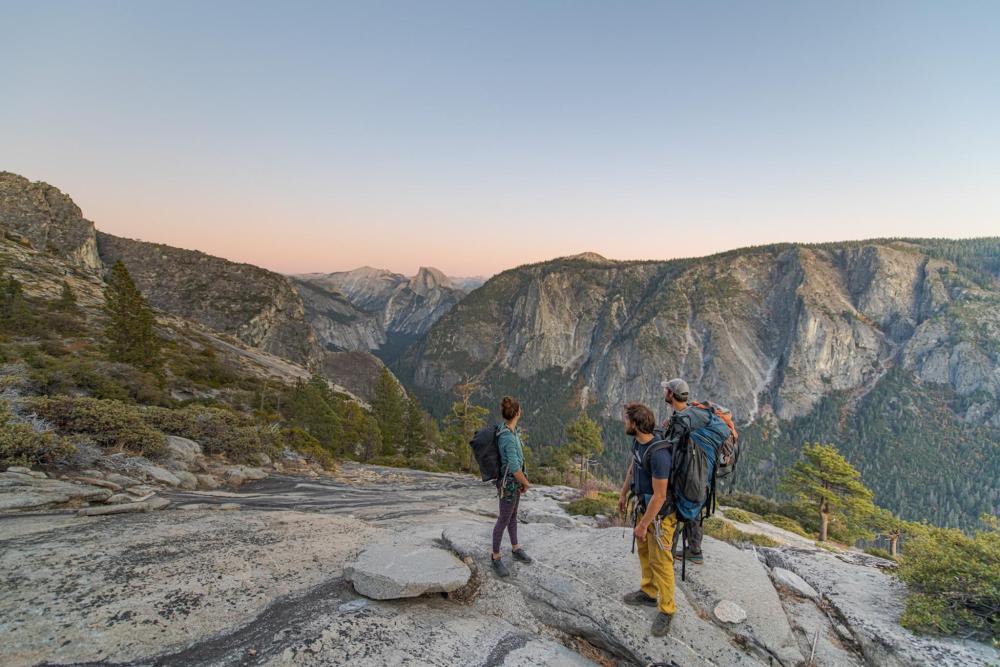
Yosemite National Park is without doubt one of the most iconic landscapes of the American West – home to soaring granite peaks and sequoia-dense forests. Located in the Sierra Nevada Mountains across 1,000 square miles of rich wilderness, Yosemite is also only a four-hour drive from San Francisco and the West Coast. El Capitan remains the park’s standout landmark – best experienced during the summer months when hiking weather is on point. In winter, heavy snowfall and sub-zero temperatures often make climbing more dangerous.
Adventure travel activities in Yosemite National Park
Yosemite is a mecca for rock climbing, with enthusiasts and professionals flocking to its granite peaks to test their mettle against the world’s best. El Capitan and Half Dome are suited to experienced climbers, many of whom now adopt the daredevil ‘free solo’ method to scale the rock. Beginner climbers should head to Royal Arches and Cathedral Spires, both known for their more moderate climbs, while Cookie Cleft is ideal for those looking to improve their skills. If Yosemite’s peaks are too advanced, it’s still a thrill to wander the hiking trails or visit some of the park’s freshwater swimming spots.
Who would love Yosemite National Park
If you’re looking to try something new, Yosemite is well-equipped for beginners, featuring plenty of guided activities for those looking to gain a starting point in climbing. This includes those in need of an experienced guide to take them to beauty spots like Yosemite Falls – the largest waterfall in North America.
Where to stay in Yosemite National Park
The sheer expanse of Yosemite National Park means there are plenty of different places to stay. If you’re planning on exploring a few areas, it’s worth hiring a car to get from A to B. The Yosemite Valley is where you can find El Capitan, as well as a good variety of cabins and lodges. This two-bedroom house just over ten miles from the valley provides a great base for your adventure vacation. Alternatively, Tuolumne Meadows, Wawona and Mariposa Grove are quieter areas close to ski resorts and scenic driving routes.
4. Las Vegas, Nevada
Situated in the Mojave Desert, Las Vegas is accessible from many West Coast cities, with regular 1.5-hour flights available from Los Angeles and San Francisco. Known for its casinos, grand hotels and nightlife, Las Vegas is now a go-to location for bungee jumping and adrenaline-fuelled activities. If you’re planning a trip to Vegas, it may be wise to visit during spring or fall. That way, you can avoid the scorching summer temperatures and heavy casino crowds.
Adventure travel activities in Las Vegas
Away from the casinos, there are plenty of adventure activities available in Vegas. Skydiving is extremely popular, with many making the jump to fall 15,000 feet above the Mojave Desert. Another exhilarating Vegas attraction is the STRAT Tower. Here, you’ll find Insanity and X-Scream – two exhilarating rides that propel and dangle riders off the tower’s edge, forcing you to stare over 1,000 feet towards the ground below. Other adventure activities in and around Las Vegas include zip lining, exotic car driving, helicopter and canyon tours, and desert dune buggying.
Who would love Las Vegas
Although Las Vegas is not off-limits to children, the Strip and its surroundings are best enjoyed by adults looking to unwind and let off steam. That could look like playing a few hands on the blackjack tables or hanging off the STRAT Tower. Las Vegas is truly a one-off vacation destination, attracting everyone from bachelor and bachelorette parties to couples looking to renew their vows with Elvis.
Where to stay in Las Vegas
The Las Vegas Strip is where you can find its iconic hotels and casinos – each one possessing its own unique conceptual theme. Staying on the Strip is a unique experience, with hotels like the Bellagio and Caesar’s Palace catering to all budgets, whether you’re after a suite or simply a place to rest your head. Other neighborhoods include the historic Downtown district – the home of Fremont Street. Here, you can find the Golden Nugget, one of the oldest hotels in the city and ideal for those on a budget looking for a taste of old Las Vegas. Other notable spots include Boulder Highway and the Arts District, located a short drive from the Strip.

5. Oahu, Hawaii
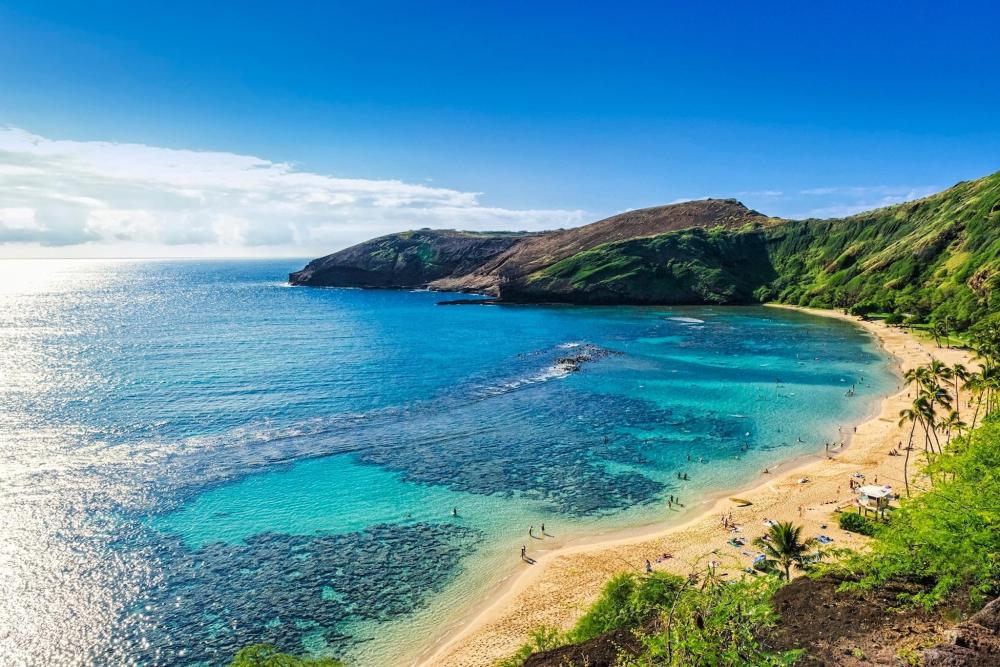
The US state of Hawaii is known for its laid-back lifestyle, tropical beaches and paradisiacal landscapes. On Oahu, the third-largest of the Hawaiian islands, you will find the ocean is very much part of everyday culture, with surfing, water sports and even shark diving available. Oahu is also the location of the state capital, Honolulu. The best time to visit is in spring and fall, when temperatures are cooler and crowds are smaller. Those visiting during the winter months will arrive just on time for the humpback whale season, but risk experiencing rainfall and storms.
Adventure travel activities in Oahu
Once you’ve dipped your toes in the Pacific and swam with the turtles, you may want to take it a step further and test your adrenaline for real. Oahu’s North Shore is a popular launch point for shark diving. You can find many tour operators offering guided cage-diving and cageless experiences, providing the chance to swim with hammerheads and other shark species. Generally, morning is the best time to dive, owing to calmer waters and increased visibility.
Who would love Oahu
Oahu is suitable for all age groups, including couples looking for a romantic getaway at one of Hawaii’s many honeymoon resorts. Similarly, the islands are well-equipped for the 20-somethings who want to surf by day and party by night. If shark diving is not your cup of tea, there are many intermediate hiking trails across Oahu – specifically the Diamond Head Trail, featuring scenic views over Honolulu and Waikiki Beach.
Where to stay in Oahu
There are many different places to stay in Oahu, whether you’re visiting on a budget or looking for something grand. Honolulu’s Waikiki Beach is where you can find the best of the action and hotels; the area acts as a great base for first-time visitors to Hawaii. Alternatively, North Shore, and Ko Olina are all popular spots – the latter providing a less-crowded environment filled with luxurious resorts and protected lagoons.
Expert tips for planning your adventure vacation
Choose the right destination
Planning an adventure vacation can be stressful. One way to reduce this stress is by doing your research into the type of adventure vacation you want to enjoy. There’s no point heading to Yosemite National Park if you’ve always wanted to swim with sharks, or embarking on a winter break to Hood River if you’re looking to explore the greenery of the woodland trails. Similarly, if you require peace and quiet after a day of thrill-seeking, make sure you’re staying in a quieter area rather than the nightlife district.
Consider your skill level
As much as you may feel invincible and confident, taking part in activities above your skill level is not only unsafe but can also be frustrating for more experienced members of your group. For example, if you’re heading to Yosemite, don’t expect to be able to free solo El Capitan if you’ve never climbed before. Instead, book a beginner activity, or at the very least, make sure to factor in some brief conditioning training to prepare yourself for what’s ahead.
Remain flexible
Even the most watertight of vacation itineraries can fall apart when Mother Nature has her way. When planning your vacation, it’s always worth allowing for flexibility and leaving free time for things to go wrong. There’s always the likelihood that the rains will strike and your full week of tightly scheduled outdoor activities will be postponed. Always leave some room for manoeuvre within your itinerary, whether that’s allowing space for alternative plans or keeping an open mind when things go wrong.