
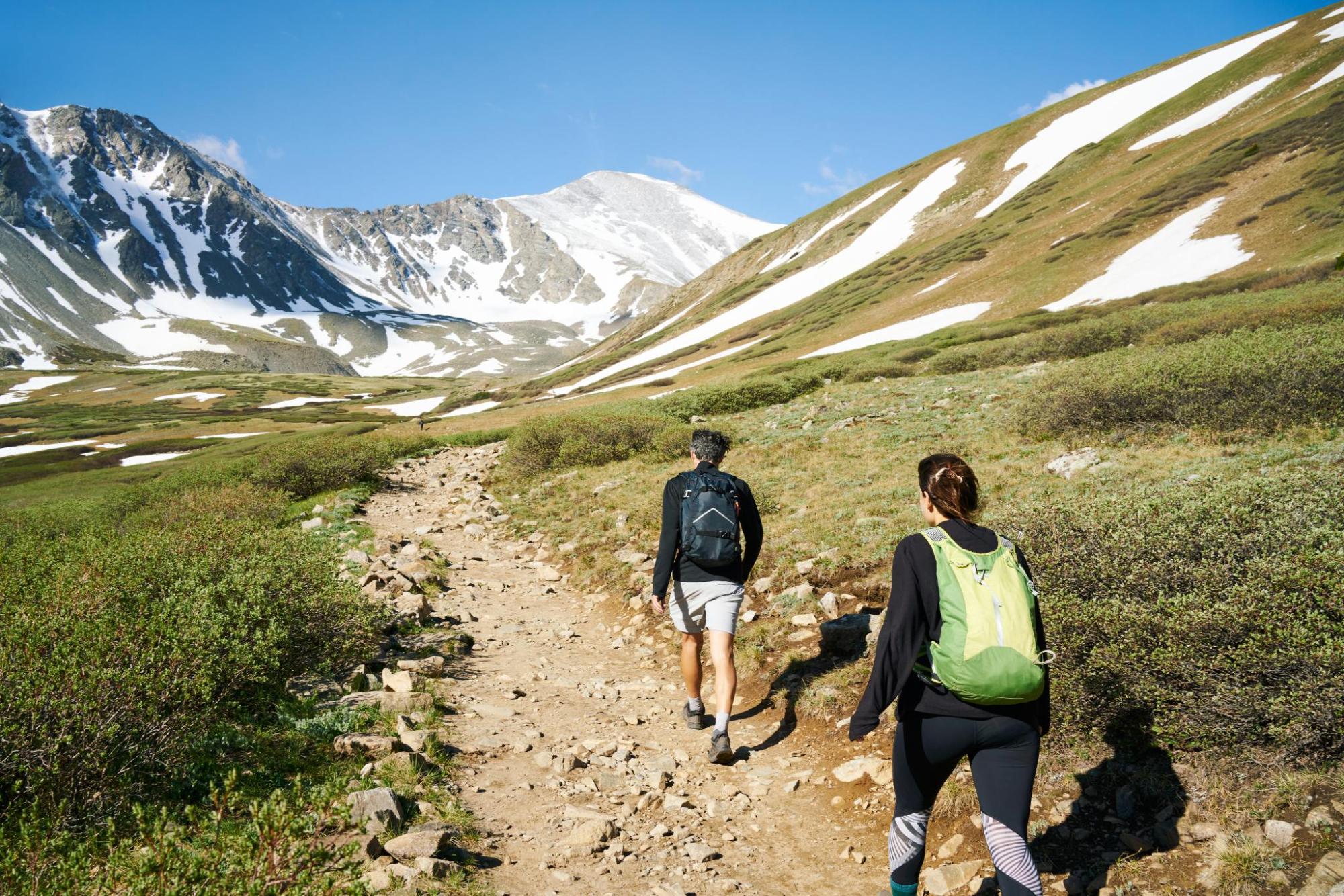
- Take time to ease into the altitude and dry climate by staying hydrated
- Allow extra time for travel, as distances between destinations can be longer than expected, especially through mountain regions
- Pack for changing conditions, as weather shifts quickly at higher elevations
Colorado offers a different kind of travel experience – one where mountain landscapes, alpine towns, and open roads set the tone for a well-rounded holiday. From snow-capped peaks to red rock formations, the state is defined by its rugged natural beauty.
Outdoor experiences unfold in every direction, from skiing and snowboarding in winter to hiking and whitewater rafting in summer, creating a year-round way to explore the American West.
If you're visiting for the first time, a few key details can make all the difference. Understanding altitude, weather, and how to get around will help you plan more effectively and explore with confidence. From the Rocky Mountains and ski towns to vibrant cities like Denver and Boulder, there’s plenty to discover at your own pace.
When to visit Colorado
Colorado is a destination for all seasons, so your experience will vary based on weather conditions and elevation. When to visit largely depends on the activities you are looking to do and your sense of adventure.
Summer (June to September)
Summer is one of the most popular times to visit, with warm days and ideal conditions for hiking, national parks, outdoor concerts, and scenic drives. Autumn brings cooler temperatures and vibrant aspen foliage, while winter turns Colorado into a major ski destination.
Spring (April to June)
Spring is often quieter, with fewer crowds and better value, though weather can be unpredictable, with lingering snow at higher elevations. At the same time, late-season snowfall paired with warmer temperatures can make for some of the most enjoyable ski conditions of the year.
Peak vs. off-peak
- Peak season – December to March for ski season and June to September for summer travel, with higher prices and busier conditions in mountain towns and national parks.
- Off-peak – April to May and October to November offer fewer crowds and better value, though some trails, mountain towns, and high-altitude roads may have limited access depending on weather conditions.
How long to stay in Colorado
Colorado offers a wide range of experiences, but travel between destinations can take longer than expected, particularly through mountain areas where roads are winding and weather can affect conditions.
Three to four days: Best for focusing on one area, such as Denver, with a day trip to Boulder or Rocky Mountain National Park. You'll be able to see key highlights, though your itinerary will need to remain fairly focused.
Five to seven days: Allows you to combine city experiences with scenic drives and mountain destinations, creating a more balanced trip. This is ideal for exploring beyond a single base without feeling rushed.
Seven or more days: With more than a week, you'll have the flexibility to explore multiple regions at a relaxed pace, including national parks, ski towns, and longer road trips through the Rockies. It also allows time for slower days, which can help when adjusting to altitude.
How to get around Colorado
Getting around Colorado often involves longer distances, particularly when traveling between cities and mountain destinations. For most visitors, renting a car offers the greatest flexibility when exploring beyond urban areas.
Regional flights
Regional flights connect destinations such as Denver, Aspen, and Colorado Springs, offering a quicker alternative to driving when traveling between distant areas.
Car rental
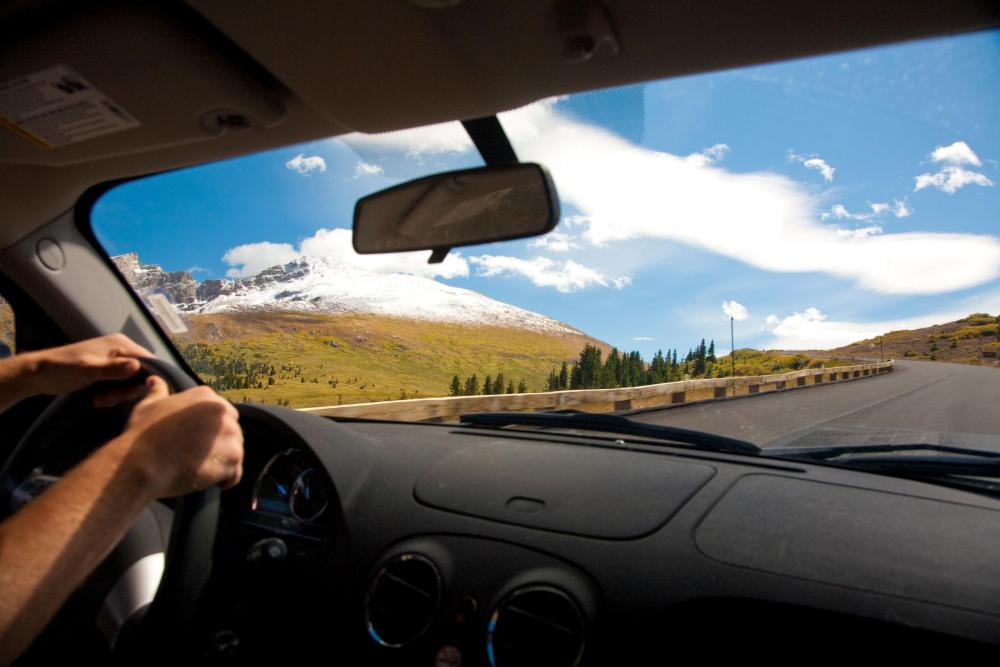
Renting a car is the most practical way to travel around Colorado. It allows you to access national parks, scenic drives, and mountain towns at your own pace, while making it easier to navigate routes that aren't well served by public transportation.
Bustang and Pegasus
Bustang and Pegasus are Colorado’s regional bus services, connecting Denver Union Station with nearby cities and mountain destinations. They offer a convenient alternative to driving, though routes and schedules are more limited.
Taxis and ride shares
Rideshare services and taxis are widely available in cities such as Denver and Boulder. In smaller towns and rural areas, availability can be more limited, so planning ahead is recommended. You can also book private transfers to ski resorts from Denver International Airport (DEN).
Local public transportation
Local transportation options vary by city. In Denver, the RTD system includes buses and light rail connecting key areas and the airport, while Colorado Springs offers services such as the Mountain Metro Transit system.
Shuttle providers such as Epic Mountain Express and Peak 1 Express also operate routes between Denver and popular mountain resorts. Ski resorts and mountain towns often operate local shuttle services—making it easy to get around without a car—and access lifts, accommodation, and nearby areas.
Where to stay during your trip to Colorado
Colorado offers a mix of cities and scenic mountain destinations, each with a distinct atmosphere. Choosing the right base depends on the type of experience you're looking for.
Denver
Denver combines city life with easy access to the Rockies, making it a convenient starting point for first-time visitors and those planning a road trip.
Boulder
Set in the foothills of the Rockies, Boulder offers a more relaxed, outdoors-focused atmosphere, with easy access to hiking trails and a strong local food scene.
Aspen
Known for its ski resorts, alpine scenery and refined ambiance, Aspen attracts visitors year round, from winter sports enthusiasts to summer hikers.
Vail
Vail is one of Colorado’s most well-known mountain resorts, offering a European-style village, world-class skiing, and year-round outdoor activities.
Colorado Springs
Colorado Springs offers access to natural landmarks such as Garden of the Gods and Pikes Peak, with a quieter pace than Denver.

Essential things to know about Colorado
Colorado blends outdoor adventure with high-altitude landscapes, where elevation, weather, and distance all shape the way you travel. Much of the state sits above 5,000 feet, with Denver itself known as the "Mile High City." Understanding a few key details before you go can help you navigate the state more easily and make the most of your time.
1. Know the tipping etiquette
Tipping is standard across Colorado, with 18–20% expected in restaurants. Hotel staff, drivers, and guides may also be tipped at your discretion.
2. Allow time to adjust to altitude
Colorado’s high altitude can take some getting used to, particularly when traveling between cities and higher mountain areas. Staying hydrated, limiting alcohol, and taking it easy on your first day can help your body acclimate to the elevation.
3. Protect yourself from the sun
Sun exposure is stronger at higher elevations, even on cooler days. Sunscreen, sunglasses, and protective clothing are recommended year-round.
4. Expect a dry climate
Colorado’s air is noticeably dry, particularly at higher elevations. Staying hydrated and using moisturizer and lip balm can help keep you comfortable throughout your trip.
5. Keep a safe distance from wildlife
Wildlife such as elk, deer, and bears are common in Colorado. Always observe animals from a safe distance and follow local guidelines.
6. Expect changing weather conditions
Weather can shift quickly in the mountains, even during summer. Layering is key, as temperatures can vary significantly throughout the day.
7. Start early for outdoor activities
Mornings often offer the best conditions for hiking and exploring, with fewer crowds and more stable weather patterns.
8. Be prepared for mountain driving
Roads in mountain areas can be steep, winding, and affected by weather conditions. In winter, snow and ice may require additional precautions or specific vehicles.
9. Be aware of the time zone
Colorado operates on Mountain Time, which may be one or two hours ahead or behind other U.S. destinations. Factoring this in can help when planning flights, activities, and travel times.
10. Book popular experiences in advance
Ski passes, guided tours, and national park entry slots can sell out quickly during peak seasons. Planning ahead, particularly for parks such as Rocky Mountain National Park, where timed entry reservations may be required, helps avoid delays and ensures access to popular areas.
Top things to do when visiting Colorado
Colorado’s landscapes set the stage for everything from high-altitude drives to outdoor adventures across the Rockies. From national parks and mountain towns to seasonal activities throughout the year, these are some of the state’s most memorable experiences:
- Explore Rocky Mountain National Park for alpine lakes, wildlife, and scenic hiking trails.
- Drive high-altitude routes such as Trail Ridge Road and other scenic byways through the Rockies.
- Visit mountain towns such as Breckenridge, Aspen, and Vail, known for their charm and year-round activities.
- Experience seasonal adventures, from hiking and rafting in summer to skiing and snowshoeing in winter.
- Relax in natural hot springs or seek out quieter trails for a more laid-back way to experience the landscape.
Colorado travel tips: Hidden gems
Beyond its most popular destinations, Colorado offers quieter experiences that reveal a more local and scenic side of the state:
- Soak in natural hot springs in Glenwood Springs
- Explore smaller mountain towns such as Telluride or Crested Butte
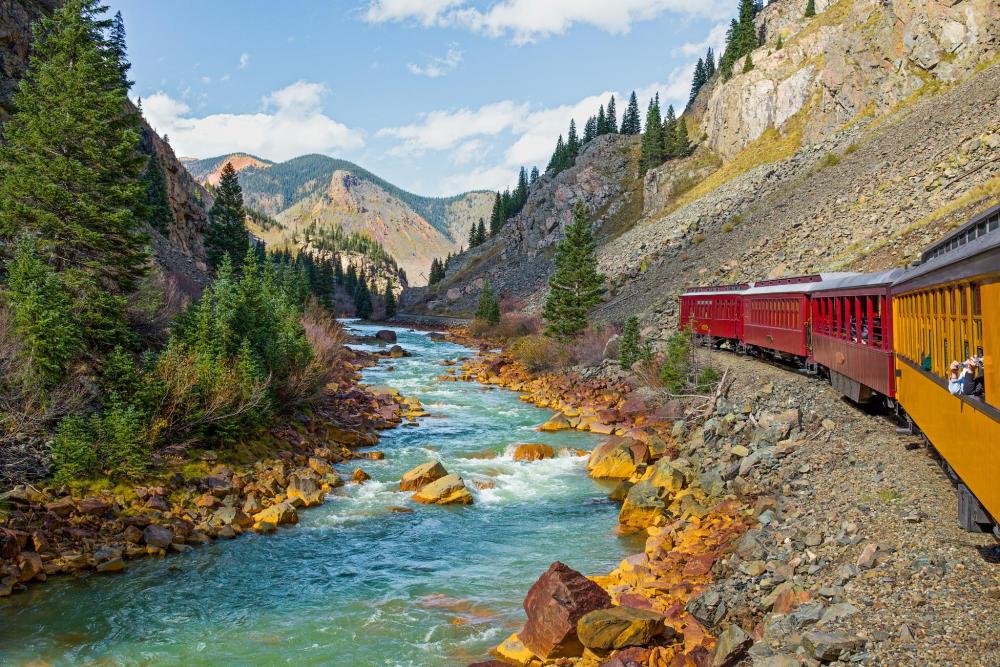
- Take scenic byways that see fewer visitors like the San Juan Skyway
Traveling early or venturing beyond the main routes can offer a more relaxed and immersive way to experience Colorado’s landscapes.
Mountains are calling you to Colorado
Colorado is a destination where distance, elevation, and changing conditions shape how you travel. From mountain towns and forests to scenic drives and national parks, the state offers a wide range of experiences that are best enjoyed with a flexible approach.
Planning ahead, allowing extra time between stops and adjusting to altitude can make a noticeable difference to how smoothly your trip unfolds.
Whether you are visiting for the first time or returning for more epic adventures, Colorado invites you to slow down, take in the scenery, and enjoy the great outdoors at your own pace.
Disclaimer: The views and opinions expressed are those of the author and don't necessarily reflect the official policy or position of our company.