
- Parisian restaurants often shut between lunch and dinner service
- Several of Paris’ most famous attractions open late into the night: The Louvre opens until 9:00 pm on Wednesdays and Fridays, the Arc de Triomphe opens until 11:00 pm in the summer, and the Eiffel Tower is open until 10:45 pm every night
- It’s worth carrying some spare change around with you, as many public conveniences in Paris charge for entry
Paris is one of the world’s ten most visited cities, and on a sunny day in the French capital it’s easy to see why. When visiting Paris, you can fill your days browsing world-class attractions or wandering streets packed with pâtisseries. As night falls, dine in Michelin-starred restaurants, catch a glitzy cabaret, or take a cruise along the Seine to watch the city twinkle from the water.
But before you jet off on your Parisian adventure, it’s worth brushing up on some of the city’s in order to ensure your trip is as smooth and enjoyable as possible. Here are ten things to know before going to Paris.
When to visit Paris
What do you want from your trip to Paris? Answering this question will help you work out when to visit, as each season offers a different experience of "The City of Light."
Peak season to visit Paris
Summer is Paris’ peak season, while off-season is in the post-Christmas winter months between January and March. Despite summer being peak season in Paris, the shoulder seasons—spring and fall—can actually be the best times to visit.
Here’s what you need to know about visiting Paris at different times of year.
In summer it’s lively and hot (August sees average highs of 76.6°F). In the warm months, there are plenty of public festivals and a buzzing nightlife scene. This season is ideal for late nights and dining al fresco – expect crowded public transportation, busier streets, and longer lines at attractions.
Paris off-peak season
If you’re looking to visit Paris at its quietest, book a trip between January and March. At this off-peak time of year, lines are shorter and prices are lower. The weather is chilly (January’s average minimum temperature is 36.5°F), so it’s a great time to explore indoor attractions – think long afternoons browsing masterpieces in the Louvre or an underground expedition to the historic Catacombs.
With its mild temperatures (highs average 60.0°F in April and 66.7°F in May), spring is a top season for sightseeing in Paris. The atmosphere is more relaxed than during the summer rush, but the parks are blooming and outdoor cafes are reopening. And after the summer crowds leave the city, fall means cultural events and exhibitions, and a more relaxed sightseeing experience. It’s not too cold either, with average September highs of 54.5°F.
How long to stay in Paris
Paris is a popular long weekend destination. Staying for three to four days should be enough to check off the major attractions. In a few days, you can visit the Eiffel Tower, the Louvre, Notre-Dame Cathedral, Montmartre, and take a Seine cruise.
Extend your trip to six to seven days for a more relaxed experience, and to fit in extras like exploring the city’s culinary scene, hitting the stores, or taking day trips to Versailles or Giverny.
If you visit for longer than a week, you’ll have the chance to immerse yourself in the Parisian lifestyle and try living like a local, rather than sticking to a sightseeing itinerary.

How to get around Paris
It’s easy to get around Paris thanks to its extensive public transportation system. Here are some handy travel tips for Paris.
1. Metro and RER
The Metro in Paris covers most of the city. There are stops near most major attractions, with trains arriving every few minutes. As the Metro avoids traffic, it’s the fastest way to get around.
Want to travel further? RER trains connect Paris with suburbs and major destinations like Versailles, Disneyland Paris, and Charles de Gaulle Airport.
2. Bus
While buses are slower than the Metro, they allow you to see the city as you travel. What’s more, the extensive bus network covers areas missed by the Metro. Buses run all day, with the last services on regular buses generally running just after midnight. The Noctilien night bus service runs roughly from 12:30 am–5:30 am. These nighttime buses are marked with an "N" in front of the route number.
3. Batobus
Prefer to travel by water? Batobus is a hop-on, hop-off river boat service on the River Seine, with stops including the Eiffel Tower, Musée d’Orsay, the Louvre, and Notre-Dame. While this is not a tour, the boats’ large windows and open decks make this a delightful way to travel around Paris, especially when the weather is pleasant. Choose between a 24-hour or 48-hour pass.
4. Taxi
If you’re hauling luggage around, or want to get from A to B without any walking, you’ll be best hailing a taxi, or using one a taxi app. Private cars are widely available – they can be pricey, especially when the roads are busy during peak hours.
5. Bikes and e-bikes
If you want to tour Paris on two wheels, just head to one of the 1,500 Vélib’ Métropole docking stations around the city. The public system offers two types of bicycles: Green mechanical bikes and blue electric models.
Where to stay during your trip to Paris
Paris is home to a diverse range of neighborhoods, all offering something different. If you want easy access to the city’s major sites, opt for historic central neighborhoods like Le Marais, Saint-Germain-des-Prés, and the Latin Quarter. Meanwhile, Montmartre offers a charming, village-like atmosphere

Essential things to know about Paris
Paris is an easy and enjoyable city to visit, but there are some things that may catch you by surprise. Here are ten things to know before visiting Paris.
1. Many museums and attractions close on a Monday or Tuesday
Many of Paris’ major attractions close on one day per week – most commonly a Monday or Tuesday. For instance, the Musée Picasso and Musée d'Orsay are closed on Mondays and the Louvre closes on Tuesdays. This means it’s always worth checking opening times when planning your itinerary.
2. You need change for public bathrooms
It’s worth carrying some small coins with you. During a long day of sightseeing, you may need to visit a public bathroom – and many of them charge around €0.50 to €1. You often need the exact change in order to gain entry.
3. Restaurants often stop serving between lunch and dinner
This one takes many visitors by surprise. In Paris, many traditional restaurants stop serving food between lunch and dinner service. If you want to eat out during this time (roughly 2:30 pm–7:00 pm), you’ll need to look for a restaurant or brasserie with a sign displaying the words "service continu".
4. Tap water is drinkable and normal to order
Tap water in Paris is safe to drink, meeting strict EU standards. It’s also perfectly normal to order a jug of tap water in a restaurant. Just ask for "une carafe d'eau". Avoid asking for "de l'eau," as you’ll end up with expensive bottled water instead.
5. Bakeries bake fresh batches throughout the day
The only thing better than a French baguette is a warm French baguette. Paris’ boulangeries (bread bakeries) and pâtisseries (pastry shops) typically bake several fresh batches every day. So, if you miss out on fresh, warm pastries on your first visit, just try again later. It’s worth the wait.
6. The Metro isn't very accessible
Unfortunately, the Paris Metro isn't very accessible. Many stations have multiple, long staircases and no elevators. If you’re planning to use the Metro to get around, pack light and wear comfortable shoes for your day of sightseeing. If you’re unable to use stairs, check ahead of time to ensure the Metro stations you want to use have lifts.
7. You can visit some attractions at night
This is one of the best tips for visiting Paris. Your sightseeing doesn’t have to stop at sundown. Several of the city’s premier attractions open for nighttime visits for an even more magical experience:
The Louvre opens until 9:00 pm on Wednesdays and Fridays
The Arc de Triomphe opens until 11:00 pm in the summer months
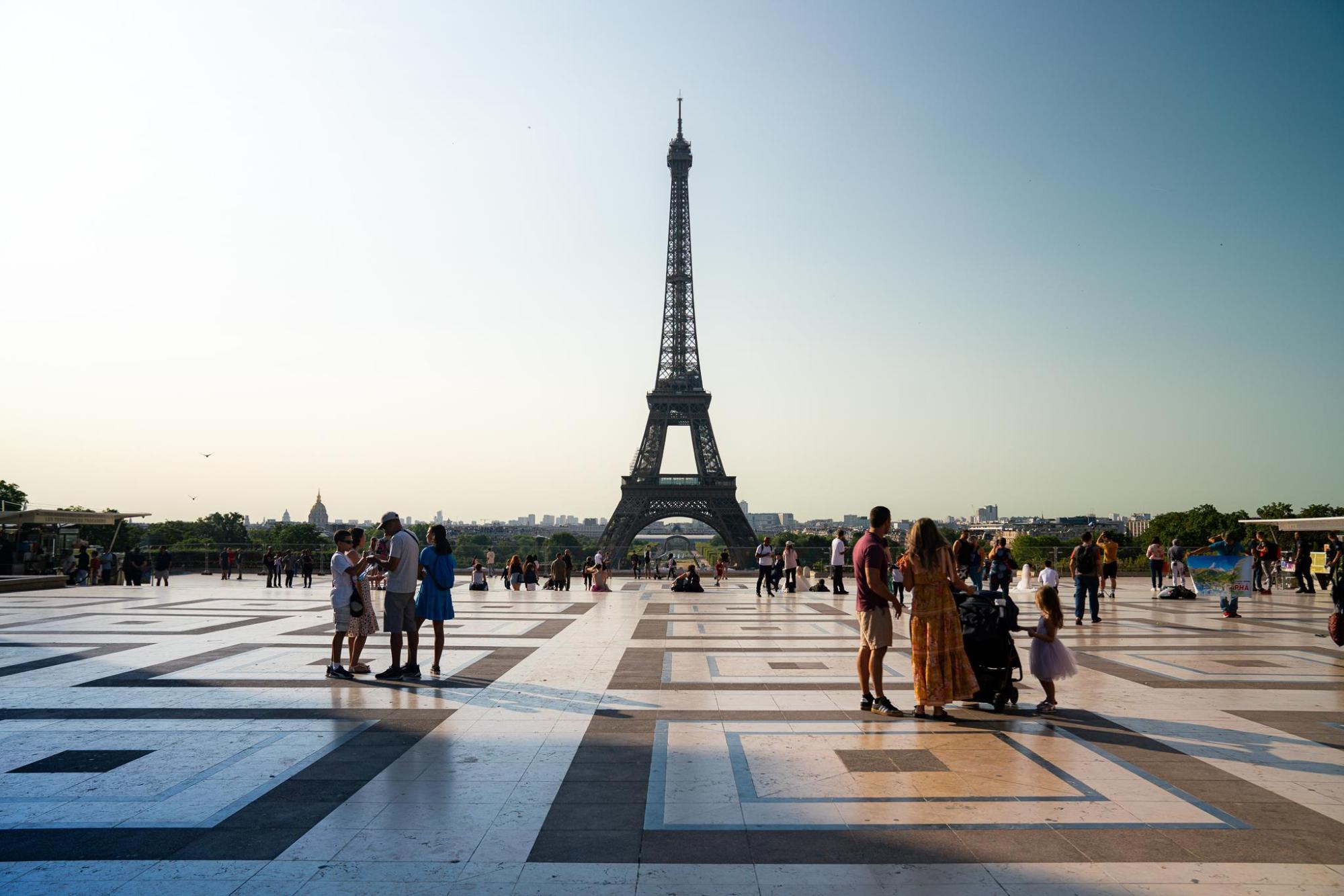
The Eiffel Tower is open every night until 10:45 pm
La tour Eiffel sparkles for five minutes at the start of the hour, every hour until the early morning.
8. A lot of businesses close in August
In August, Parisians traditionally leave the city heat behind as they head off for long summer vacations. This means that a lot of local businesses in Paris are closed during this month, which gives the city a different feel.
9. It’s a good idea to make restaurant reservations
Despite the large number of excellent restaurants in Paris, it can be hard to get a table – especially at the more popular spots. If you’re keen to dine at a specific restaurant, it’s worth making a reservation ahead of time.
10. Some bus routes double as sightseeing tours
If it’s your first trip to Paris, you’ll probably want to see as much of the city as possible – but you won’t necessarily want to splash out on a pricey tour. Instead, hop on one of the buses that takes in the major sights.
Scenic bus route 69 connects the Eiffel Tower in the west to Père Lachaise in the east. Along the way you will see the Musée d’Orsay, the Louvre, the Opéra Garnier and the Place de la Bastille. It also offers lovely views along the Seine. Alternatively, hop on bus 72 to see the Eiffel Tower, Invalides (Napoleon’s tomb and military museum), the Musée d’Orsay, the Louvre, Notre-Dame, and the Parc de Bercy.
Top things to do when visiting Paris
Paris is home to several world-famous attractions, from the Louvre and the Eiffel Tower to the Palais Garnier and Notre-Dame. These are big bucket list attractions and not to be missed. For something a little different, descent to the Catacombs of Paris. Also take the time to wander through some of the city’s most charming neighborhoods, like Le Marais, Montmartre, or the Latin Quarter. Evenings are the perfect time for a cruise on the Seine.
Paris travel tips: Hidden gems
There’s plenty to see beyond Paris’ showstoppers:
- The neoclassical Galerie Vivienne for a beautiful shopping experience
- Visit the Musée des Arts Forains – a fairground museum
- Discover a green oasis in the Buttes-Chaumont Park
- Ascend to La Promenade Plantée – an elevated garden walkway
Paris beyond the checklist
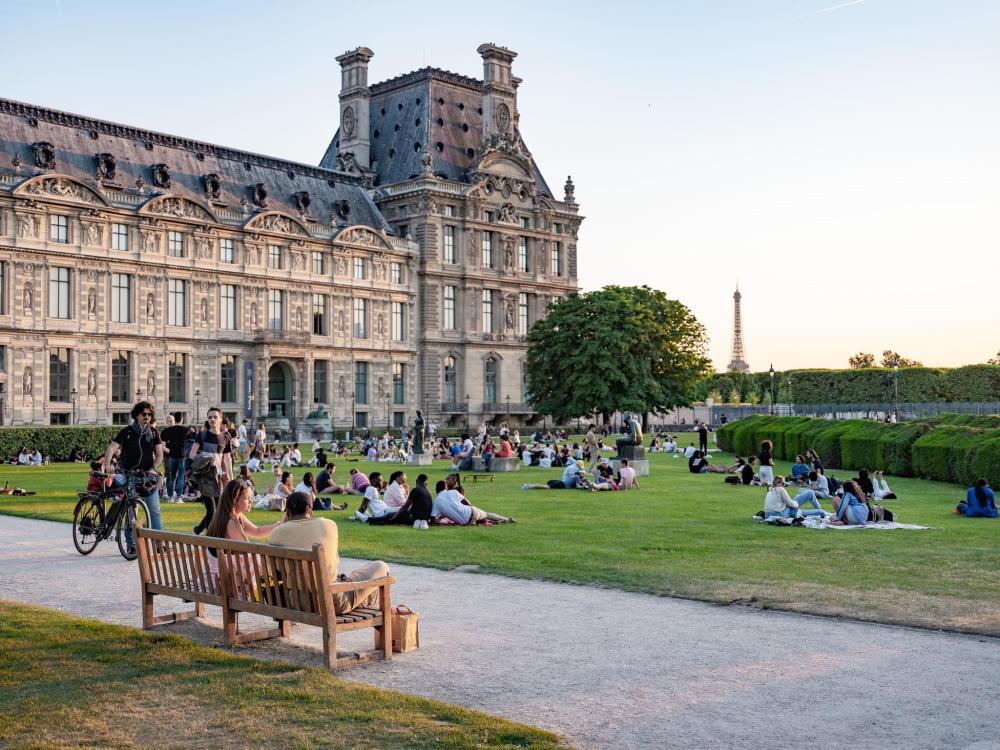
There’s so much to see and do in Paris that it can feel overwhelming – especially if you only have a few days in the city to fit everything in. To truly experience the French capital, it’s important to slow down and embrace the rhythms of the city. Take a leisurely stroll around a neighborhood, linger over a coffee outside a cafe, or take a picnic to the banks of the Seine. Leave space in your itinerary to explore without a plan, and Paris will reward you.