
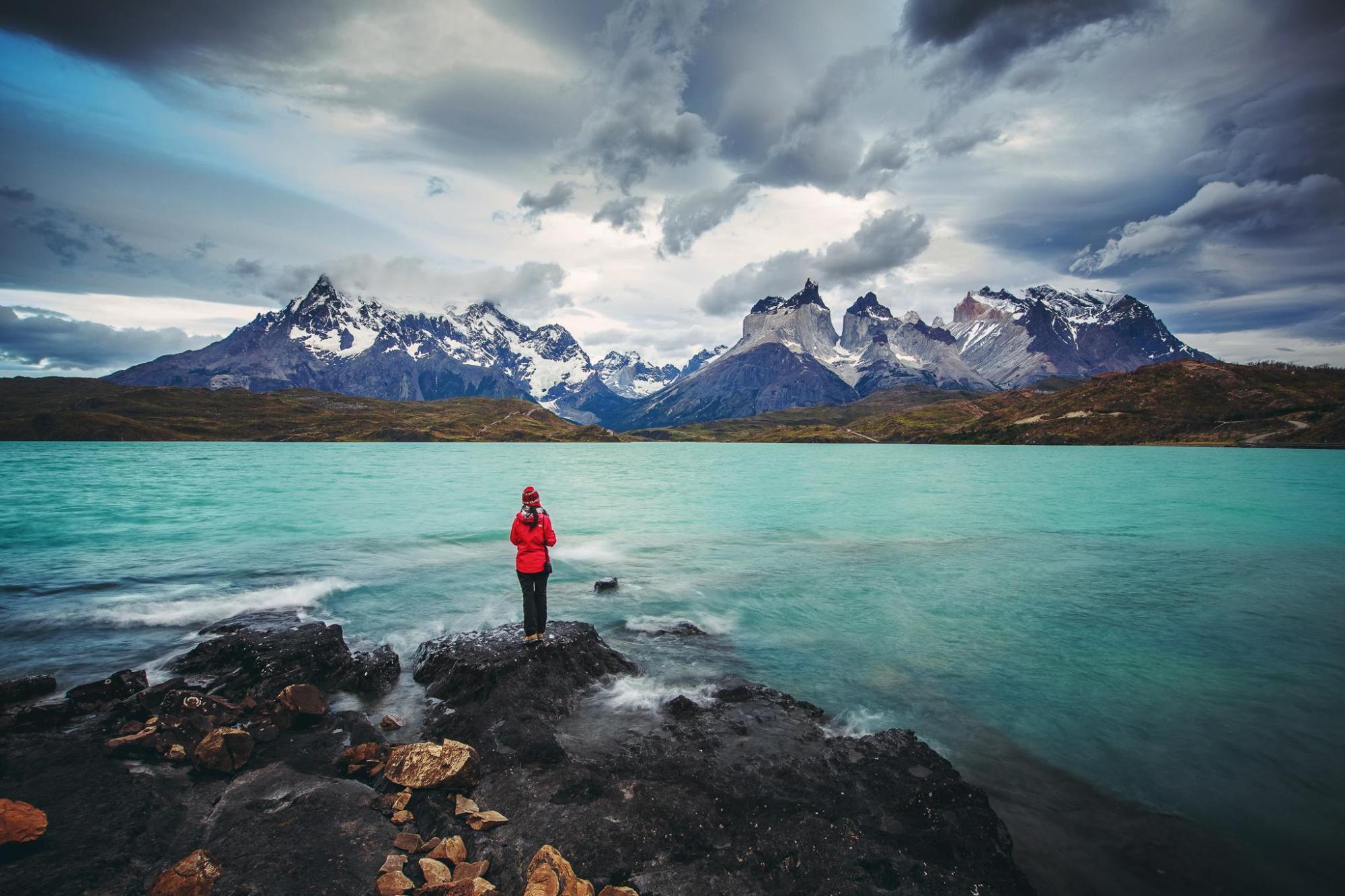
- Peak season runs December to February, with November and March offering quieter trails and shoulder-season pricing
- The region straddles Argentina and Chile, so border logistics, cash in two currencies, and bio-security checks are part of any pan-Patagonia route
- Distances are vast – getting between Bariloche, El Calafate, El Chaltén, and Torres del Paine takes planning, with domestic flights and long-distance coaches doing most of the heavy lifting
Patagonia spans the southern tip of South America, shared between Argentinian Patagonia and Chilean Patagonia, and stretches across more than 386,10- square miles of glaciers, granite peaks, lakes, and windswept steppe. It's a region of long horizons and longer travel days, which means a little preparation goes a long way. From when to go to how to get around and what to pack, this guide pulls together the Patagonia travel tips that make a first trip run smoothly.
When to visit Patagonia
Seasons in the southern hemisphere are flipped, so the warmest months for visiting Patagonia fall between November and March. Daylight stretches to 15 or even 17 hours in midsummer, trails are open, and bus routes run at full frequency. Winter (June to August) is the quietest stretch, with shorter days, snow on the higher trails, and many refugios (mountain huts) closed – though it's a draw for skiers heading to Bariloche.
The wind is constant. Patagonian gusts can hit 60 miles per hour in summer and ease off in fall, which is one reason March and April are quietly loved by repeat visitors. Beech forests turn red and gold across Tierra del Fuego and the Lakes District, and the crowds thin out.
Peak vs. off-peak
December to mid-February is the absolute peak. Refugios on the W Trek in Torres del Paine and hotels in El Calafate book up four to six months ahead, and prices climb to match demand. The reward is the most reliable weather of the year and full access to every trail.
November and March sit in the sweet spot: Temperatures stay walkable, the wind is often calmer, and prices typically run 20–30% below high summer. April through October is the off-peak window – fewer services, more closures, but a different kind of Patagonia that rewards travelers willing to layer up. For anyone wondering whether Patagonia is expensive to visit, the shoulder seasons are where budgets stretch furthest.
How long to stay in Patagonia
The honest answer: longer than you think. Headline sights like Perito Moreno, Mount Fitz Roy, Torres del Paine, and the Lakes District are spread across hundreds of miles. Internal flights or full-day bus journeys sit between most of them. A week is enough to do one region well, two weeks to combine Argentine and Chilean Patagonia at a sensible pace, and three weeks if Bariloche and the north are on the list too.
A common first Patagonia visit covers El Calafate, El Chaltén, and Torres del Paine in 10 to 14 days. That leaves room for travel days (which always take longer than the map suggests) and a buffer for the weather, which has a habit of rewriting plans. Travel to Patagonia works best when the schedule has slack in it.
How to get around Patagonia
There are no rail links between the main Patagonian hubs, so getting around comes down to four options: long-distance coaches, internal flights, rental cars, and pre-arranged transfers. Most trips use a mix.
Bus Sur and regional coaches
For cross-border and intra-regional travel, long-distance coaches are the workhorse. Bus Sur is the main operator running between Punta Arenas, Puerto Natales, El Calafate, Ushuaia, and Río Grande, with seats that recline almost flat, USB charging, and onboard heating. The Puerto Natales to El Calafate run takes around five and a half hours including the border crossing, and tickets can be booked online in advance. Other regional operators—Marga Taqsa, Turismo Zaahj, Cootra—cover overlapping routes and timetables. During the high season, booking a day or two ahead is wise.
Domestic flights
Flying is the time-saver. Aerolíneas Argentinas, JetSMART, and FlyBondi connect Buenos Aires with El Calafate, Bariloche, and Ushuaia, while LATAM and Sky Airline serve Punta Arenas and Puerto Montt in Chile. A Buenos Aires to El Calafate hop takes around three and a half hours – the same journey by bus is closer to 40. Booking ahead matters – domestic prices climb sharply close to departure, particularly in peak season.
Car rental
For travelers wanting flexibility, especially in the Argentine Lakes District or along Chile's Carretera Austral, car rental is the way. Roads are generally well surfaced around the main hubs, but expect gravel (ripio) on remote routes. Cross-border rental usually needs paperwork arranged in advance, and some rental companies charge a supplement for it. Gas stations are sparse outside main towns, so filling up at every opportunity is the local habit.
Taxis and transfers
Most Patagonian airports are a short drive from the town they serve – El Calafate's is about 12 miles from town, Bariloche's around 8. Pre-arranged shuttle transfers tend to be cheaper than taxis and easier to find at smaller airports where rideshare apps don't operate. Within towns, taxis are cash-based and reasonably priced, though Spanish helps for giving directions to trailheads or more remote accommodation.

Where to stay during your trip to Patagonia
Where to base depends on what's on the wish list. Glaciers, hiking, lakes, or fjords each have a natural home, and most trips piece together two or three.
El Chaltén (hiking)
Argentina's official trekking capital sits at the foot of Mount Fitz Roy, with trailheads beginning at the edge of town – no transfers, no taxis. Routes to Laguna de los Tres and Laguna Torre start from the village itself, which makes El Chaltén ideal for travelers who want hiking days bookended by hot meals and a warm bed. Accommodation runs from hostels to boutique lodges, and the town fills up between December and February.
El Calafate (glacier central)
El Calafate is the base for Perito Moreno, one of the few advancing glaciers left in the world and the headline sight of southern Argentine Patagonia. The town itself is set on the shore of Lago Argentino and has the largest range of accommodation in the area, plus a small but capable airport. Most travelers spend two or three nights here, with a day trip to the glacier and another to nearby Lago Roca or the Glaciarium museum.
Puerto Natales (Torres del Paine base)
On the Chilean side, Puerto Natales is the launchpad for Torres del Paine National Park. A working fishing town on the Última Esperanza Sound, it has a growing food scene and serves as the place to stock up on trail supplies, rental equipment, and catch the early bus into the park. Stays range from waterfront B&Bs to high-end lodges, with several options offering shuttle service to park entrances.
Bariloche (Lakes District)
Far further north, Bariloche brings a different side of Patagonia. Wedged between the Andes and Lake Nahuel Huapi, it's known for Swiss-style chalets, chocolate stores, and a slower pace. Summer brings hiking and kayaking; winter brings skiing at Cerro Catedral. It's a useful starting or finishing point for a longer Patagonia route, with frequent flights from Buenos Aires.
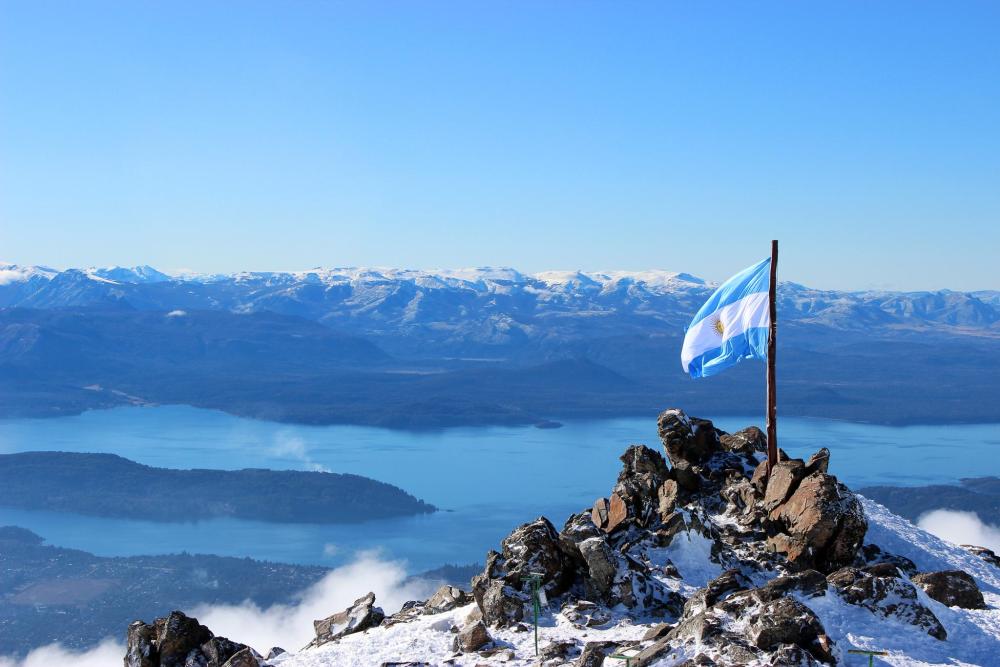
Essential things to know about Patagonia
Entering Chile: The PDI tourist card
Anyone crossing into Chile is issued a small white paper slip on arrival, known as the Tarjeta de Turismo – locally called the PDI card after the Policía de Investigaciones who issue it. It's an A5 immigration receipt that must be kept throughout the stay and handed back when leaving the country. Many hotels will waive the 19% VAT for foreign travelers who present it alongside their passport and pay in U.S. dollars or by credit card, which can lower accommodation costs. If it's lost, a duplicate can be requested online through the PDI portal or in person at a PDI office.
Strict bio-security
Chile and Argentina both run tight agricultural controls at airports and land borders, and Chile's checks at SAG (Servicio Agrícola y Ganadero) are particularly thorough. No fresh fruit, vegetables, seeds, honey, dairy, or meat products can be brought in, even unintentionally. A forgotten apple at the bottom of a backpack can mean a fine of several hundred dollars and a long delay for everyone on the bus. Declaring items beats hiding them every time – officers are unfailingly polite about a declared sandwich, less so about one found by a sniffer dog.
Four seasons in a day
Patagonia's weather is famously theatrical. A morning of bright sun can turn into sleet by lunch and clear blue again by evening, often with wind that takes hats and patience along with it. Layering is the standard approach: a base layer, an insulating mid-layer, a windproof and waterproof outer shell, plus a warm hat and gloves, even in summer. Quick-dry pants tend to outperform jeans, and trekking poles help on exposed traverses where the wind picks up.
Bring cash for national parks
Park entry rules vary between countries. Argentine national parks—including Los Glaciares—require payment in Argentine pesos in cash at the gate. However, tickets for some parks can now be pre-purchased online at ventaweb.apn.gob.ar. Torres del Paine works the other way around: tickets must be booked in advance through pasesparques.cl. Payments are no longer accepted at park entrances. Carrying some Argentine peso cash for the Argentine side, and a printed QR code or screenshot for the Chilean side, covers both situations.
Sun protection
The ozone layer thins over southern Patagonia, and UV at altitude is fierce even on overcast days. Sunburn from a couple of hours on a glacier viewing platform is a classic first-time mistake. High-factor sunscreen, lip balm with SPF, polarized sunglasses, and a brimmed hat are essentials rather than nice-to-haves – and reapplication after every snack break is sensible on long hiking days.
Border crossings between Argentina and Chile
The Argentina-Chile border runs through some of the most scenic stretches of the trip, with popular crossings at Paso Cardenal Samoré (between Bariloche and Osorno), Paso Río Don Guillermo (between El Calafate and Puerto Natales), and the ferry route across the Strait of Magellan near Punta Arenas. Crossings can take from 30 minutes to over two hours depending on coach numbers, and processing slows considerably in peak season. Buses stop at both the Argentine exit post and the Chilean entry post, with everyone disembarking at each. Passports and bio-security forms in hand – patience helpful.
A few Spanish phrases go a long way
English is spoken in tourist-facing hotels and tour offices, but less so on coaches, in small towns, and at park gates. A handful of phrases smooth out most interactions:
- ¿Dónde está…? (Where is…?) – Useful for finding bus terminals, ATMs, and trailheads
- La cuenta, por favor (The bill, please) – In Argentina and Chile, the bill is rarely brought without being asked
- ¿Acepta tarjeta? (Do you accept card?) – Worth checking before ordering, as smaller restaurants and shops are often cash-only
- Permiso (Excuse me) – Polite for squeezing past someone on a busy bus or boardwalk
Tipping and cash culture
A tip of 10% is customary in sit-down restaurants in both countries, often added in cash even when paying the bill by card – staff appreciate it because card tips can take weeks to clear. Coach drivers and trekking guides also expect a small gratuity at the end of a multi-day trip.
ATMs are common in Bariloche, El Calafate, and Punta Arenas but can run out in smaller towns like El Chaltén, particularly at weekends, so withdrawing in advance is the safer move. Foreign-card ATMs in Argentina now process transactions at favorable tourist exchange rates through the country's special program for foreign visitors, which makes card payments more attractive than they used to be.
Top things to do when visiting Patagonia
The headline experiences span both sides of the border. On the Argentine side, walking the boardwalks at Perito Moreno glacier, hiking to Laguna de los Tres beneath Fitz Roy, and tracking guanacos in the Lakes District near Bariloche.
On the Chilean side, trekking the W or O circuits in Torres del Paine, kayaking through the fjords near Puerto Natales, and cruising past blue icebergs on Lago Grey. Wildlife adds another layer: pumas in Torres del Paine, penguin colonies on Tierra del Fuego, and southern right whales off the Valdés Peninsula.

Patagonia travel tips: Hidden gems
- Lago del Desierto, an hour north of El Chaltén, offers a quieter alternative to the headline trails – a forested lakeshore walk with views of the Marconi Glacier and far fewer hikers.
- On the Chilean side, the Mylodon Cave near Puerto Natales pairs prehistoric ground-sloth bones with windswept rock formations and almost no crowds outside tour windows.
- For something further afield, the marble caves at Lago General Carrera on Chile's Carretera Austral reward the long drive with cathedral-like blue chambers carved by water.

The wide-open south awaits
From granite spires to advancing glaciers, Patagonia rewards travelers who arrive prepared – cash in two currencies, layers for any weather, and a schedule that breathes. Visit Patagonia in Argentina for Perito Moreno and Fitz Roy, cross into Chile for Torres del Paine and the fjords, and the region opens up at its own pace. With the practical bits sorted, the wind, the light, and the silence do the rest.
Disclaimer: The views and opinions expressed are those of the author and don't necessarily reflect the official policy or position of our company.