
- Although you can use the prepaid Opal card for public transportation in Sydney, it’s also possible just to tap a credit card
- Days start early in Sydney, so go for a walk or a swim before breakfast like the locals
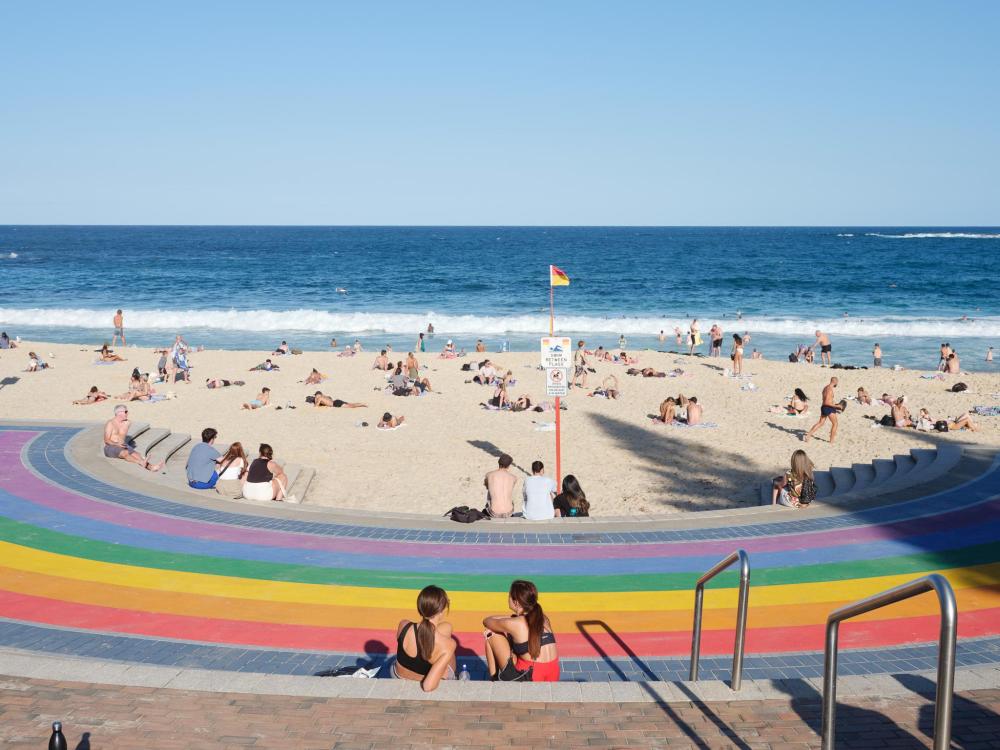
- To stay safe, wear sun protection at all times of the year and always swim between the flags at surf beaches
Want to take it easy? Then hang out at one of Sydney beaches or stroll along the harbor. Looking for some excitement? Climb the Harbour Bridge or spend the evening at the trendy bars of Surry Hills.
In this guide to visiting Sydney, we've got tips on transportation, as well as where to stay, what to do, and how to fit in with the locals.
When to visit Sydney
Sydney is a destination you can visit in any month, with pleasant weather and fun events throughout the whole year. Having said that, there are some key differences in what to expect in different seasons.
Summer: Peak season
The peak time of year for visitors to Sydney are the summer months between December and February, when warm weather encourages days on the beach or the harbor. The festive season means restaurants and bars are busy before Christmas, the fireworks bring crowds on New Years Eve, while sporting events and festivals see hotels fill up in January and February.
Visiting Sydney in summer is a great way to get good weather and enjoy the energy of some big events. However, prices can often be higher, so it’s best to book accommodation and tickets in advance.
Winter: Off-peak season
A quieter time of the year for Sydney is the winter period between June and August. Although there are often pleasant sunny days, the temperature is cooler and the water too cold for swimming.
However, the annual Vivid Festival brings a weeks-long program of arts events to the city, and many visitor attractions aren't as busy. It can be easier to find accommodation and prices are often a little lower.
Autumn and spring: Shoulder season
The shoulder seasons of spring (September to November) and autumn (March to May) are some of the best times to visit Sydney because nice weather lets you enjoy the city's natural sights but without the summer crowds.
Sydney's restaurant and bar scene will feel lively but not overcrowded, it'll be easier to get tickets for attractions and find accommodation. vacations may still be some busy periods during local school holidays or major events like soccer finals, so make sure to book in advance if you're visiting then.
How long to stay in Sydney
With so many things to do in Sydney, it's easy to fill several days seeing the sights and exploring the local neighborhoods. But one of the joys of the city is taking time to relax at the beach, by the harbor, or along one of the nature walks.
For a full experience, try to spend a week in Sydney, including a day trip to the nearby Blue Mountains or Royal National Park. This will give you enough time to discover some of the hidden gems away from the main attractions in the city center.
How to get around Sydney
Although many of the main attractions are in the city center, you'll likely want to travel to other parts of Sydney to visit the beaches, harbor. or local neighborhoods.
Public transportation: Opal card
Sydney has a comprehensive public transportation system and, in many situations, it will be the most efficient and cost-effective way to get around the city.
Sydney's public transportation is mostly cash free, so you'll need to tap on and off with a card. You can do this with the official Opal card that can be preloaded with credit, or you can use any credit card. You'll get the same daily and weekly deals whichever method you choose. However, concession fares for seniors, students, and children are only available with a concession Opal.
Hop-on hop-off bus tour
For visitors to Sydney, the city's privately-run hop-on hop-off bus tour is another way to get around. It has two routes with a total of 24 stops. Many are around the city center, but it also goes to the famous Bondi Beach and the inner-city suburbs of Paddington and Surry Hills.
Local tip for the budget conscious traveler: The 48-hour ticket is more than double the maximum you could spend on the public transportation's daily cap (and the 24-hour ticket is almost four times as much) but it's a simple way to see the highlights with included commentary.
Taxis and rideshare
Another common way to get around Sydney is with taxis and rideshares. Taxis can be hailed on the street by waving them down. There are also taxi ranks at many key locations around the city, such as outside train stations. Taxis are metered, and you'll be charged by the distance.
Several rideshare companies also operate in Sydney. They're generally slightly cheaper than taxis but prices can surge during busy periods.
Rent a car
Sydney is a large city, and you may find it easier to get around with a car. You can pick up a rental car in Sydney at the airport or at one of the Central Business District or suburban offices. If you're doing a lot of travel, it will probably be cheaper than multiple taxi rides and faster than waiting for public transportation.
One thing to watch out for are Sydney's multiple toll roads. Check the car rental company's policy for paying tolls and consider alternative routes if you want to avoid paying the road charges.
Walking or cycling
It's also worth mentioning that walking and cycling are both popular options in Sydney for getting around the city, particularly within the Central Business District and inner-city suburbs. The streets generally have wide and safe footpaths for walkers, with traffic lights or pedestrian crossings at major intersections. There are a number of dedicated bike paths along many of the main routes into the Central Business District.
Where to stay during your trip to Sydney
Are you looking for a convenient location? Or do you want to be in the heart of the action? Choosing the best area to stay in Sydney often depends on the type of trip you're on.
- Central Business District: Sydney's Central Business District (CBD) is the most convenient place to stay in the city. Many of the main attractions are within walking distance, it's well connected by public transportation, and there's a wide range of accommodation styles.
- Surry Hills: With a decent number of boutique hotels, homes, and apartments, this inner-city suburb is close to the Central Business District but is filled with popular restaurants, trendy bars, and small art galleries.
- Bondi Beach: Although transportation can take a bit longer to other parts of the city, staying at Sydney's most iconic beach lets you feel like a local with a morning swim or a sunset stroll along the cliffs.
Essential things to know about Sydney
Before visiting Sydney, there are a few more things worth knowing that will make your trip more enjoyable.
Tipping etiquette
Australia doesn't generally have a tipping culture. You won't be expected to leave a tip in most situations, including taxi rides, hotel housekeeping, or bars.
Although it's not mandatory, it has become more common to leave a tip at higher-end restaurants to show appreciation, although generally not more than 10%. Some businesses may include a service charge (or a weekend surcharge), which will be stated on the menu.
Drinking tap water
Tap water is safe to drink in Sydney. In fact, you'll often find public drinking fountains on walking paths or in parks across the city.
Many restaurants will ask if you want still or sparkling water. Normally there's a charge for this, even if it's not mentioned. If you prefer, ask for tap water, which will be safe to drink and by law has to be offered for free.
Don't litter
Sydney residents are proud of the cleanliness of their city and dropping trash is considered very rude. It's also a crime. In the Central Business District and other busy parts of the city, you should always be able to find trash cans, so there's no need to carry rubbish very far.
If you're reported by a witness or caught by police or council rangers, you can be fined for dropping litter on the street. This includes leaving a cigarette butt on the ground or throwing food scraps into a garden.
Sun safety
Australia's sun has some of the highest levels of UV radiation in the world, and it's very important to take precautions whenever you're outside during the day. In summer, it's possible to get sunburnt in as little as 10 minutes, and even in winter the sun can be quite strong.
A good way to think about how to protect yourself from the sun is with Australia's famous campaign: Slip, slop, slap. It means you should slip on long-sleeve clothing, slop on sunscreen with at least SPF 30, and slap on a hat. It's also recommended to wear sunglasses and stay in the shade when possible.
Be prepared for weather
Although Sydney generally has a pleasant climate throughout the year, it can get extreme weather sometimes. In summer, be prepared for occasional days above 104°F when you may want to avoid outdoor activities.
Sydney can also get strong and sudden thunderstorms, so packing a raincoat or umbrella is a good idea. And even if there are sunny days in winter, the evenings can get very cold so it's a good idea to bring layers.
Beach safety
One of Sydney's greatest treasures is its string of golden beaches along the coast, but they also bring an element of risk. Surf conditions can be unpredictable, and even confident swimmers can sometimes run into trouble.
Most of Sydney's main beaches are patrolled by lifeguards, who will put up red and yellow flags marking where it's safe to swim. You should always swim between these flags because not only will that section have the best conditions that day – it's where the lifeguards are watching so you can wave for help.
Smoking and drinking
Having a drink at a rooftop bar or a local pub is a common part of a trip to Sydney, but be aware the city has strict rules about drinking. You must be 18 or older to drink alcohol. Some licensed venues won't allow minors to enter – even with an adult.
You often won't be allowed to drink alcohol on the street outside a pub. If you are allowed, you may need to be seated. Smoking and vaping is prohibited in almost all parts of pubs and bars, including outdoor areas. However, there may be a designated smoking area, in which case food won't be allowed there.
Top things to do when visiting Sydney
If you're visiting for a longer trip, you'll be able to fit most of the main sights into a seven-day Sydney itinerary. For shorter trips, these are some of the highlights:
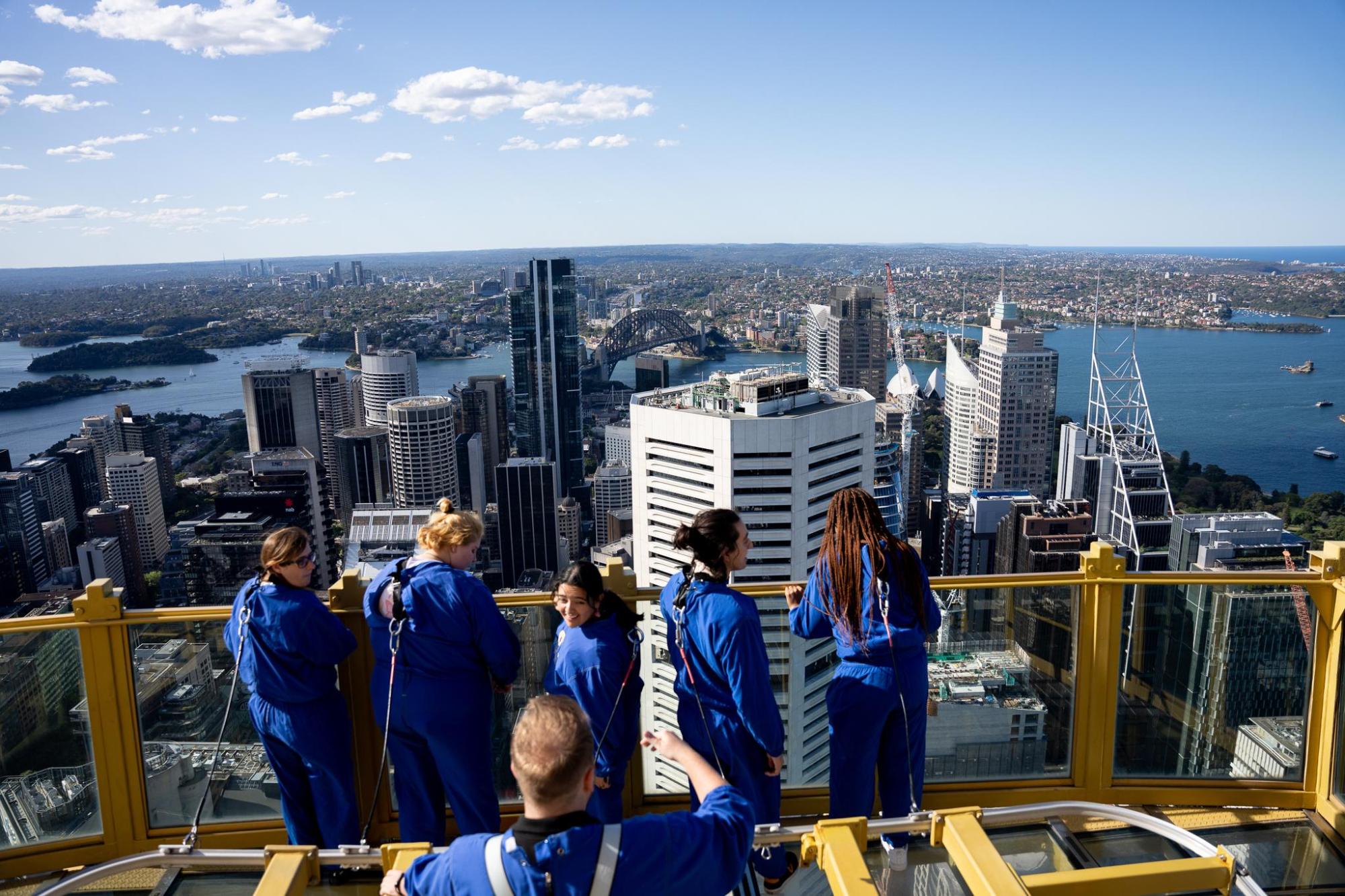
- Bridgeclimb: The Sydney Harbour Bridge is one of Australia's icons. Climbing to the top gives you some of the most spectacular views of the city.
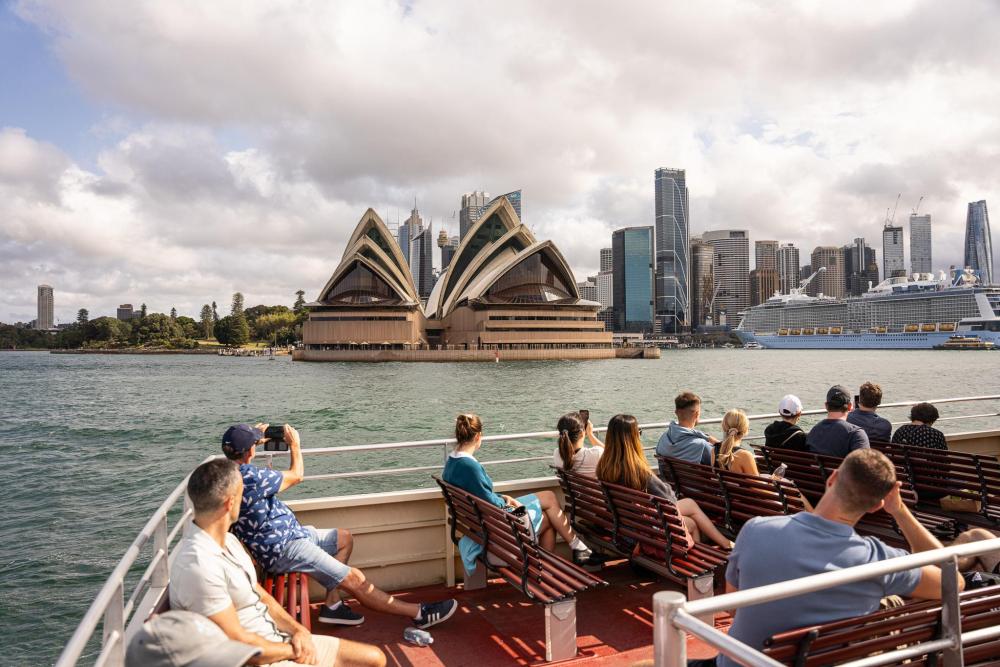
- Sydney Opera House: You can marvel at the World Heritage Site's architecture from the outside but it's worth taking a tour of the interior – or even better, seeing a performance in the concert hall.
- Bondi to Coogee walk: Get up early and stroll along all (or some) of this almost four-mile clifftop trail that offers incredible ocean views as it leads between golden beaches, with lots of places to stop for a coffee.
Sydney travel tips: Hidden gems
Even if you're visiting Sydney for the first time, it's worth going beyond the main landmarks to see some areas that showcase the rich culture of the city.
- Paddington and Surry Hills: These inner-city suburbs offer independent art galleries and boutique shopping during the day and are bustling in the evening with excellent restaurants and trendy bars.
- Parramatta: Full of heritage like the World Heritage-listed Old Government House, this multicultural part of Sydney also has a great food scene and modern cultural centers.
- National Maritime Museum: Along with interesting exhibitions, you can go onboard ships including a navy submarine and a replica of the ship British explorer James Cook captained to Australia.
Explore Sydney with ease
Whether you're hanging out at the beach or trying to fit in as many museums as possible, you'll find Sydney a friendly city that's easy to get around. People get up early and stay up late so you'll never run out of things to do. Just make sure to stay safe in the sun and the water.
Disclaimer: The views and opinions expressed are those of the author and don't necessarily reflect the official policy or position of our company.