

- The country experiences the wet season at different times, so you'll usually be able to find good weather somewhere
- Although trains, buses and ferries connect most parts of Thailand, domestic flights are often a fast and cheap alternative
- You'll need cash in many situations but be prepared for high withdrawal fees at ATMs
Beyond the bright lights of Bangkok and the golden beaches of Phuket, Thailand offers a huge range of rich cultural and natural attractions. Understanding the practicalities of traveling in Thailand, along with some of the local customs, will help give you a much deeper experience when you visit.
From the best season to visit to the best transport options, we've got all the Thailand travel tips you'll need, including where to stay. Plus, there are some insider suggestions for the top things to do in Thailand and a few hidden gems.
When to visit Thailand
Like many tropical countries, Thailand experiences three main seasons that each have their own advantages:
- Dry (November–February): The peak season with cooler temperatures and less rain, but busy with tourists and higher prices.
- Hot (March–May): The temperatures soar but it's much quieter than peak season so things are generally cheaper.
- Wet (May–October): The first few months tend to only get afternoon showers – but September and October see a lot of rain.
But depending on what you want to do, there's no bad time to visit Thailand, because each of the main regions have their own microclimates that offer opportunities for travelers.
Bangkok and Central Thailand
This is one of the best places to visit in Thailand during the wet season. As a major city, there are lots of things to do in Bangkok and many of the attractions are indoors, so it's easy to avoid the rain when it comes.
Chiang Mai and Northern Thailand
The dry season can almost feel like winter in the mountains and is a wonderful time to visit if you don't like the heat. However, March and April are best avoided because smoke fills the air during the agricultural burning season, making outdoor activities unpleasant.
Southern islands
Conveniently for travelers, the east and west coasts get wet seasons at slightly different times, so there's usually always nice weather to be found.
Phuket and the western Andaman Coast is mostly dry from November to April. To the east, Koh Samui and the other Gulf of Thailand islands are generally dry from December to August.
How long to stay in Thailand
A week in Thailand is a nice length of time to spend a few days exploring Bangkok and then relax somewhere like Chiang Mai or Phuket.
If you have time for a ten-day Thailand itinerary, you'll be able to spend a few days in the capital and then see both the north and the south.
Two weeks in Thailand offers opportunities to also include some lesser-visited areas, including the ancient capital of Sukhothai, islands like Koh Lanta or the rainforest of Khao Sok National Park.
Visiting Thailand for even longer then opens up regions where travel is slower, such as the culturally-rich region of Isan in the country's northeast.
How to get around Thailand
There are quite a few options for transportation in Thailand when you're traveling between different cities or regions.
Domestic flights
For longer journeys, catching a domestic flight in Thailand is often the most convenient choice. There are regular direct flights between popular tourist hubs like Bangkok, Phuket, and Chiang Mai, as well as routes to lesser-visited areas. Low-cost carriers mean there are usually affordable options and Thailand's domestic airlines have a good safety record.
Trains and buses
For even more affordable options, Thailand's network of trains and buses can get you to almost any part of the country.
There are five main train lines from Bangkok that go across the country, including to popular destinations like Chiang Mai, Hua Hin, and Surat Thani. For longer journeys, there are three classes of sleeper berths.
Long-distance bus routes cover most of the country and are another great option, especially when there aren't flights or trains. For trips along highways, they're often faster and more affordable than second-class sleeper trains. Many routes also have VIP buses with wide seats and free snacks.
Ferries and speedboats
Although some of Thailand's islands have airports (like Koh Samui) or even bridges (like Phuket), traveling by boat is a common way to reach many of the islands.
For major hubs, there will likely be larger car ferries that are relatively cheap but also slower. A more popular option is high-speed catamarans, which service many of the main islands with comfortable boats that have toilets and a cafe.
For smaller or tourist-focused islands, there may also be the option of a speedboat. These run on fixed timetables and are much faster than a catamaran, but they can be less comfortable and tickets usually cost more.
Driving
For a more flexible way to get around in Thailand, you can rent a car in Bangkok. Major highways connect much of the country, so driving is relatively straightforward between the country's main destinations. It will also give you the option for detours and stops to explore smaller areas.
Most nationalities will need an International Driving Permit (IDP) as well as a driver's license. Remember that you drive on the left of the road in Thailand.

Where to stay during your trip to Thailand
Aside from Bangkok, there are some good places to stay in Thailand that serve as convenient bases to explore different regions in the country.
- Pattaya: A convenient two-hour drive from Bangkok, this popular beachside area has both a party scene and quieter neighborhoods, with a direct ferry to Koh Larn Island for day trips.
- Chiang Mai: Thailand's main northern city has enough attractions to fill a day but is also a good base to see the temples in Chiang Rai or the bohemian mountain town of Pai.
- Phuket: More than 30 miles long, Thailand's largest island has dozens of beaches and good access to the beautiful Phi Phi Islands or upscale Khao Lak.
- Koh Samui: Covered in lush jungle and less developed than Phuket, there are still direct flights from Bangkok as well as onward ferries to the smaller islands of Koh Phangan and Ko Tao.
- Nakhon Ratchasima: Commonly known as Khorat, this large city is the gateway to the Isan region, which is full of authentic Thai experiences off the main tourist trail.
Essential things to know about Thailand
Whether you're visiting Thailand for the first time or it's a return trip, there are some useful things to know about traveling in Thailand.
The digital arrival card
Since May 2025, Thailand has replaced its paper entry form with the Thailand Digital Arrival Card (TDAC). You need to fill this out online within 72 hours before your arrival in Thailand.
The TDAC isn't a visa or a visa waiver. Although you don't officially need to complete the digital card to be allowed on a flight, some airlines may require it before they'll check you in.
Cash or credit
You should be able to use a credit or debit card at places like hotels, grocery stores, and shopping centers. But much of Thailand still runs on cash – you'll need to make sure you're always carrying enough.
The most convenient way to get cash is at ATMs, which are common throughout the country. However, most charge around 220 THB for each withdrawal from an international account, so visitors often withdraw large amounts to reduce the number of fees.
Tipping
Tipping isn't common in Thai culture, and it won't be expected in most circumstances. However, some upscale restaurants may automatically add a service charge to your bill.
If you would like to show your appreciation in other situations, a 20 or 50 THB note is usually an acceptable basic tip.
Street food
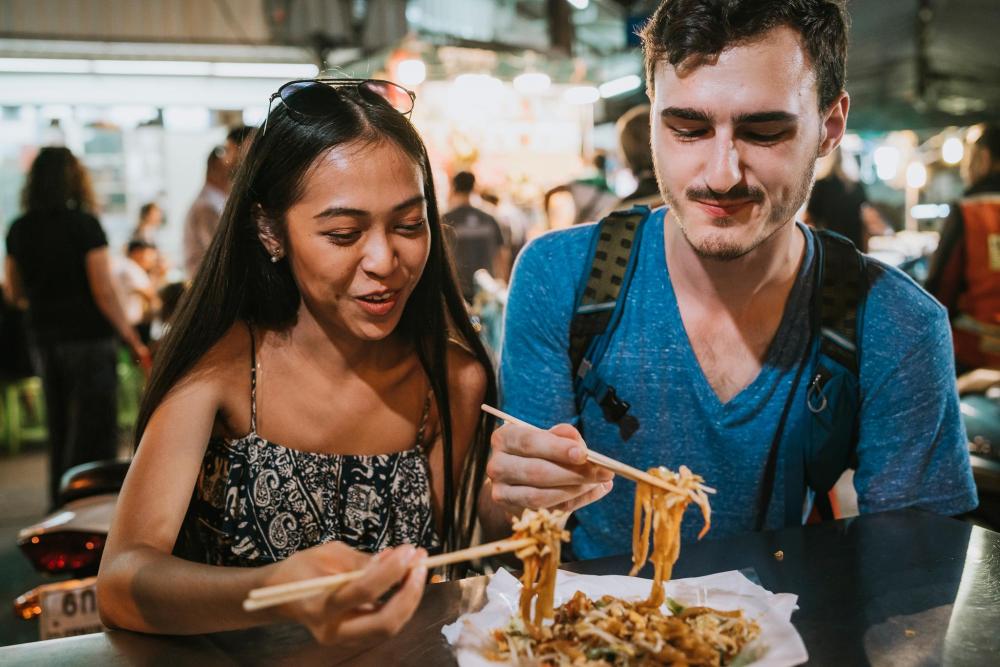
One of the pleasures of traveling in Thailand is the country's famed cuisine, with local specialties like pad thai, green curry, and papaya salad. You'll often find these dishes being served at casual street restaurants or direct from carts.
If you're concerned about getting sick, look for places that have a lot of locals. Choose dishes that will be cooked fresh, rather than served pre-cooked from trays. Avoid uncooked ingredients like salads. And don't order anything too spicy at first if you're not used to it.
Convenience stores
It's not advisable to drink tap water anywhere in Thailand – even locals normally use filtered or bottled water. Luckily, you are rarely far from a convenience store in Thailand, where you can buy cheap bottles of water at any time of the day or night.
Convenience stores are also good places to pick up supplies like snacks and toiletries or even SIM cards. On hot days, it can even be worth popping in for a few minutes to cool off in the air conditioning.
Taxis and rideshare
Within Thailand's main cities and tourist hubs, you'll generally find lots of taxis, which are convenient ways to get around. In most places, taxis charge by the kilometer, so insist on the driver using the meter to avoid overpaying. For a cheaper option—or if the traffic is bad—you could also use a motorbike taxi, which has fixed fares for specific destinations.
These days, local rideshare companies have become particularly popular, with Bolt and Grab the two most common in Thailand. For visitors, it removes any language barrier and means you don't have to negotiate the fare.
Learn some Thai words
A few simple phrases can go a long way when meeting locals in Thailand. To say hello, you can say sawasdee (pronounced: sah-wah-dee) and to say thank you, it's khop khun (pronounced: kop-koon). To make it polite, women add kha at the end, and men add khrap.
Drugs and alcohol
The legal drinking age in Thailand is 20 and alcohol is very common in Thailand, with even street restaurants and convenience stores selling things like beer and whisky.
However, there are strict drug laws, with extremely heavy penalties for possession and use, including imprisonment. Recreational cannabis is no longer legal in Thailand without a prescription, and you can be punished for smoking it publicly.
E-cigarettes and vapes are also illegal in Thailand. You can be fined just for carrying one.
Temple etiquette
When visiting temples in Thailand, you'll be expected to dress modestly, including covering your shoulders and knees. While it may not be enforced everywhere, the country's most important temples may not let you in if you're in shorts or a tank top.
You may need to take your shoes off to enter parts of a temple. If unsure, just copy the locals. Feet are considered the dirtiest part of the body, so don't point your soles at a monk or Buddha statue when you're sitting down.
Showing respect: Be respectful of Buddhism and the Royal family
There are some other key ways to show respect in Thailand, such as not touching anybody's head or using a single finger to point (gesture with an open hand instead). It's also considered rude to shout or get angry, so try to stay calm if you find yourself in a disagreement.
It's also very important not to insult or be critical towards the royal family, even on social media or in private conversations. Not only do Thai people have a huge respect for the king, but the country's lèse-majesté laws make it a crime.
Top things to do when visiting Thailand
To get a good overview of the best things to do in Thailand, these are the highlights worth visiting.
- Grand Palace in Bangkok: One of the most significant sites in the country, pair a visit to this beautifully ornate complex with the serene Wat Pho temple next door.
- Ayutthaya: An easy day trip from Bangkok, this ancient capital has enormous temples right in the center of the city.
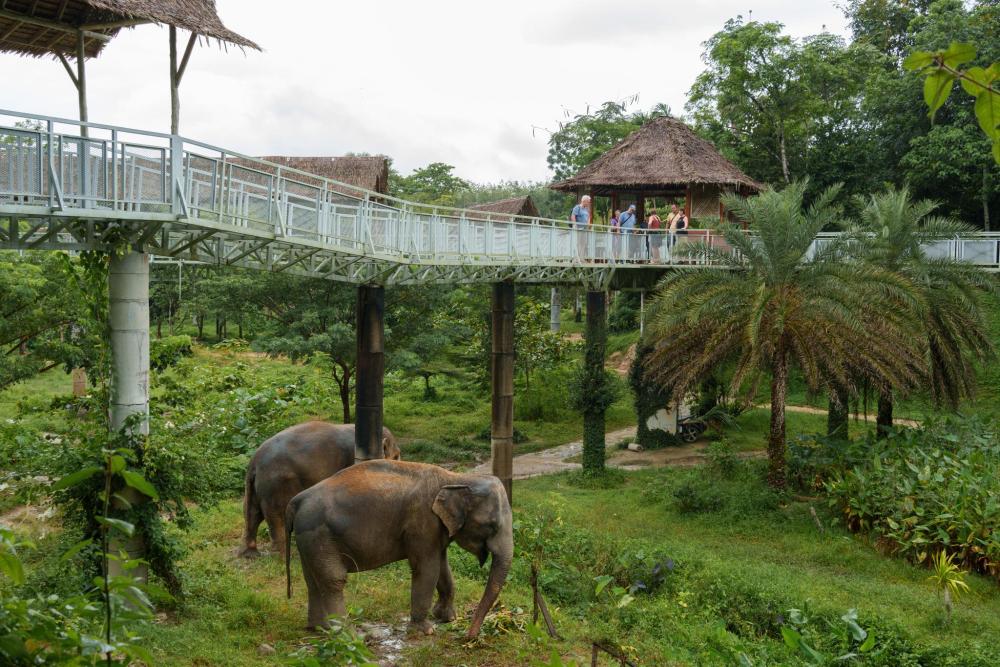
- Elephant sanctuary in Chiang Mai: Visit one of the ethically run sanctuaries in the jungle around the city to learn about the rescued animals.
- Phi Phi Islands: Take a speedboat trip from Phuket or stay overnight on these spectacular limestone karst islands that rise out of the turquoise waters.
Thailand travel tips: Hidden gems
There are lots of fascinating places to visit in Thailand beyond the main hubs that you could include in a longer itinerary.
- Sukhothai: Unlike Ayutthaya, this ancient capital is much quieter and more remote, with enormous temples and city ruins surrounded by jungle.
- Koh Lanta: This island has a growing tourism industry but its beautiful beaches and friendly towns are much more relaxed than Phuket.
- Khao Sok National Park: With a lush rainforest, towering limestone cliffs and a stunning lake, there are lots of hiking trails and chances to spot wildlife.
- Nan: A quiet town in the northern ranges of Thailand, the historic architecture and temple murals are part of the culture of this traditional community.

Discovering cities, beaches, and jungle
One of the joys of visiting Thailand is experiencing its variety – on the same trip you can go from metropolitan cities to lush jungle and peaceful island beaches. Understanding things like the transport systems and the best way to pay for things in Thailand will make the journey even easier.
Beyond the sights, the friendly people and tasty food will also make your visit to Thailand even more enjoyable. With an open heart and an empty stomach, you'll soon realize why it's called the Land of Smiles.
Disclaimer: The views and opinions expressed are those of the author and don't necessarily reflect the official policy or position of our company.