What is a duplex? A guide for travelers

- An affordable option than a single family home
- More space and privacy than an apartment
What does "duplex" mean?
If you’ve rented vacation homes, you may have come across the term “duplex” and wondered what it means. Many people conflate duplexes with townhouses, twin homes, condos, and duplex apartments. However, each of these terms is different.
The word comes from the Latin duplex, meaning “double.” Typically, these units can be side by side, sharing a common wall, or stacked on top of each other. The idea behind this is economical – doubling up on living space without doubling the cost. A duplex can often be an affordable vacation rental.
What is a duplex home?
Duplexes are a smart way to maximize space and make housing more affordable. If you’ve been wanting to rent out a whole house but it’s out of your budget, then a duplex might be the right solution for you. As a traveler, you might be more likely to book a duplex where the owner either lives next door or rents out both units. Others use it as a multi-generational home, keeping family close while still having separate spaces.
When you rent a duplex, you’ll get the advantages of single family home within a reasonable budget. Duplexes tend to offer more square footage than apartments or hotel rooms at a similar price point. They also offer more privacy than apartments. If you stay in a duplex, you’ll only have one neighbor directly next to, above, or below you.
There’s more than one way to design a duplex. Some common types include:
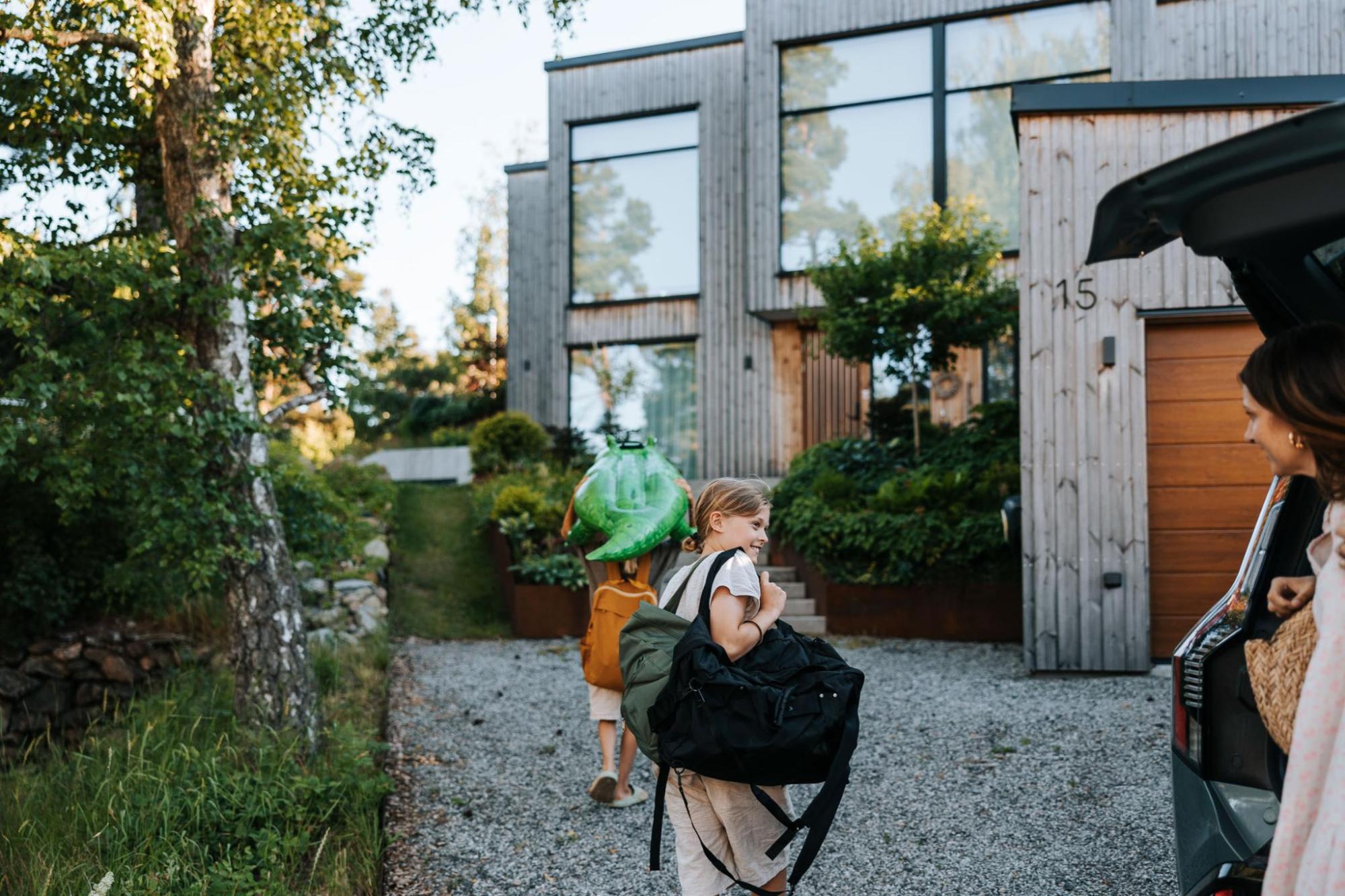
- Side-by-side duplex: This type has two units placed next to each other, sharing a common wall. Each unit has its own entrance, making it feel like two townhouses stuck together.
- Stacked duplex: This is when one unit sits on top of the other, and they usually share a floor or ceiling rather than a wall. Some of these have separate outside entrances, while others share an entryway.Split-level duplex: A variation of the stacked duplex, this one has staggered floors that make the layout feel more open while still keeping the two units separate.
What is a duplex apartment?
A duplex apartment is different from a duplex. Instead of two separate homes, it's one apartment spread over two floors in a larger building. The key feature is an internal staircase connecting the two levels. This set-up can make an apartment feel more like a townhouse or small home, offering extra space and a more defined separation between living areas (e.g. bedrooms upstairs, living space downstairs).
These apartments are often found in cities where space is at a premium. They give you the best of both worlds – the living experience of a house with the convenience of an apartment. In high-end markets, duplex apartments are highly desirable, offering spacious layouts, large windows, and even rooftop access in some cases.
A big advantage of duplex apartments is their ability to create natural separation between living and sleeping areas. Need a break from the hustle and bustle of your downstairs space? Just head upstairs to unwind. Duplex apartments are often found in high-rise buildings or high-end developments, but also in smaller residential buildings.
Key features of a duplex apartment:
- Two floors connected by an internal staircase
- More privacy – bedrooms and common spaces are often separated
- Feels more like a small house compared to a single-floor apartment
- Can have better views if located on upper floors
What makes duplexes different from other homes?
In the world of real estate, duplexes hold a unique position. Here are some key characteristics:
- Structure: A duplex is one building split into two units, while a single-family home is a stand-alone residence.
- Privacy: Duplexes offer more privacy than apartments but still have shared walls or floors.
- Potential proximity to owner: Sometimes the owner lives in the other unit and can easily address any questions or issues that come up. This may not always be the case, so be sure to check.
Townhouse vs. duplex: Understanding the difference
You might come across both townhouses and duplexes when searching for accommodations. While they share some similarities, there are important distinctions:
Townhouse
- Usually part of a row of similar houses (3+ units)
- Multiple floors in each unit
- Often part of a homeowners association (HOA)
- Typically share walls on both sides with other units
- Usually privately owned
Duplex
- Always exactly two units in one structure
- Can be arranged side-by-side or stacked
- Only shares one wall, floor, or ceiling with another unit
- Often owned by a single landlord
- More likely to be found in residential neighborhoods
Duplexes often provide more privacy and a home-like atmosphere, while townhouses might offer more community amenities through the HOA.
Tips for booking a duplex for your next trip
When searching for the perfect duplex for your vacation, keep these tips in mind:
- Check the layout carefully: Ask for floor plans or detailed photos to understand the space and room arrangement.
- Ask about noise insulation: Since you'll be sharing at least one wall, floor, or ceiling with another unit, quality soundproofing can make a big difference for your comfort.
- Look into outdoor access: Some duplexes offer private outdoor spaces while others have shared yards or patios. Find out what to expect before booking.
- Understand parking arrangements: Will you have private or shared parking? This is especially important in urban areas.Research the neighborhood: Duplexes are often located in residential areas, which can provide a more authentic local experience.
Popular destinations for duplex stays
Duplexes can be found around the world, but they're particularly common in some locations:
- Urban centers: Cities like New York, Chicago, and Boston have many classic duplexes in residential neighborhoods.
- Beach communities: Coastal areas often feature vacation duplexes, allowing you to enjoy beach proximity at a better price than standalone homes.
- Historical districts: Many older neighborhoods feature charming converted duplexes that maintain their historical character while offering modern amenities.
- University towns: Areas around college campuses often have a high concentration of duplexes that cater to students but are also perfect for short-term travelers. European cities: Cities like Paris, Barcelona, and Amsterdam offer stunning duplex apartments, often in historical buildings with unique architectural details.
- Mountain retreats: Ski destinations and mountain towns frequently feature duplex chalets and cabins that provide cozy accommodations with spectacular views.
In emerging travel destinations, duplexes offer an authentic way to experience local neighborhoods while maintaining comfort and convenience. Places like Mexico City, Bangkok, and Cape Town have seen growth in duplex renovations that blend traditional architectural elements with modern amenities.
These properties often provide the perfect middle ground. They’re more spacious than typical hotel rooms but more affordable than villas, making them ideal for travelers looking for a comfortable experience.
Pros and cons of a duplex
Pros of a duplex
Staying in a duplex has many perks. Here’s why a duplex might be the perfect choice for you:
- Residential area: Staying in a duplex comes with some great benefits, like more space and privacy. You’ll get to feel what it’s like living in a real residential area as opposed to a hotel.
- Laundry at home: If you’re staying for an extended period, a duplex can offer the convenience of a washer and dryer. No more hauling laundry bags down endless stairs to the laundromat, or wearing dirty clothes. Most duplexes have washers and dryers, either in the basement or inside the unit.
- Close to friends or family: If both parts of a duplex are available to rent, you may be able to stay there with friends or family. This is the perfect set-up if you want to be near loved ones while still having your own space.
Cons of a duplex
Due to its close proximity to other people, a duplex can also come with potential challenges. Some downsides to consider:
- Privacy concerns: While they offer more privacy than apartments, duplexes still require some level of sharing space with neighbors.
- Noise: Duplexes offer more privacy than apartments, but you’re still sharing a wall with your neighbor. If they’re noisy or messy, it could be frustrating.
- Shared outdoor spaces: Depending on the duplex, you might have to share certain areas like a yard, driveway, or even a basement laundry room. If you prefer private outdoor spaces or exclusive amenities, this might be a downside.
- Cleaning fees: Unlike in a hotel, you may be expected to either do light chores like taking out the trash or pay an additional cleaning fee, since individual owners often don’t employ a housekeeping staff.No apartment amenities: Duplexes tend to be more budget-friendly than high-end apartment complexes or hotels. That’s because they usually don’t come with extras like gyms, controlled entries, heated underground parking, emergency maintenance, and community lounges.
Making the most of your duplex stay
To fully enjoy your stay in a duplex, follow these tips to get along with neighbors and make the most of your trip.
- Introduce yourself to neighbors: If the other unit is occupied by permanent residents, a friendly introduction can set a positive tone for your stay.
- Respect shared spaces: Be mindful of noise levels and keep shared areas clean and accessible.
- Ask about local insights: Duplex owners often have great recommendations for restaurants, shops, and attractions that tourists might otherwise miss.
- Pack light if staying in a stacked duplex: If your unit is on the second floor, you'll need to carry your luggage up the stairs.
- Consider a duplex for longer stays: The additional space and residential setting make duplexes ideal for extended vacations or remote work.
Duplexes offer a great mix of affordability and flexibility. Carefully weighing the pros and cons will help you decide if this type of home suits your travel plans. Take some time to explore the ins and outs of duplexes to make the best decision for your trip.