
- Book Vatican Museums and Colosseum tickets well in advance – timed-entry slots for both sell out weeks ahead, especially between April and October
- Travel between all four destinations entirely by train: Frecciarossa and Italo high-speed services connect Rome, Florence, and Venice, while a regional connection through La Spezia reaches the Cinque Terre
- April–June and September–October offer the most rewarding conditions – warm weather, open hiking trails in the Cinque Terre, and manageable crowds at the major sights
Ten days is just the right amount of time to take in Italy's greatest hits—ancient ruins, Renaissance masterpieces, colorful coastal villages, and labyrinthine canals—without spending the whole trip on a train. This Italy itinerary takes you from Rome to Florence, across to the Cinque Terre and on to Venice, traveling the whole way by high-speed rail. It's a route that suits first-time visitors and returning travelers alike, covering the country's most iconic stops while leaving room to slow down and soak it all in.
Day 1: Arrival in Rome
Morning
Touching down at Leonardo da Vinci–Fiumicino Airport (FCO), the Leonardo Express train runs directly to Roma Termini in around 32 minutes – straightforward, frequent, and far easier than navigating city traffic after a long flight. Once checked in, keep the first afternoon gentle.
Afternoon
The neighborhood of Monti—Rome's oldest rione (district)—makes for a relaxed introduction to the city. Narrow cobbled streets lined with independent boutiques, trattorias, and wine bars sit just a ten-minute walk from the Colosseum. Grab a coffee standing at the bar (the Roman way) and wander without a plan.
Evening
Head to Trastevere for dinner. This medieval neighborhood across the Tiber is full of ivy-covered buildings and lively piazzas, with restaurants serving straightforward Roman classics: Cacio e pepe (spaghetti with black pepper and Pecorino Romano cheese), carbonara (pasta with cured pork), coda alla vaccinara (oxtail stew). Line up early or book ahead – tables fill quickly.
Day 2: The ancient city
Morning
The Colosseum and Roman Forum are the undisputed centerpiece of any Rome itinerary. Pre-booked timed-entry tickets are essential – lines without them can stretch to two hours or more. A combined ticket covers the Colosseum, Roman Forum, and Palatine Hill, and the three sites together are worth a full morning.
Afternoon
From Palatine Hill, it's a short walk south to Circus Maximus, once Rome's largest stadium with a capacity of around 250,000. The scale of the place is still legible even today. From there, cross into the Aventine neighborhood to find the Knights of Malta keyhole – a perfectly framed view of St Peter's dome through a garden gate.
Evening
Aperitivo hour is a Roman institution. Settling into a bar near Campo de' Fiori with a glass of something local and watching the piazza come alive before finding somewhere nearby for dinner is a fine way to close the day.
Day 3: The Vatican and the historic center
Morning
The Vatican Museums and Sistine Chapel reward early arrival – book the first entry slot available and arrive before the crowds build. Allow two to three hours for the museums alone. St Peter's Basilica is free to enter and worth the short walk across the square afterwards.
Afternoon
Cross back into the city center for the Pantheon, one of the best-preserved ancient buildings in the world and (advance booking recommended). Nearby Piazza Navona is worth a slow circuit for Bernini's Fountain of the Four Rivers – take your espresso somewhere off the piazza itself, where prices are significantly lower.
Evening
The Trevi Fountain is best seen in the early evening when the light is soft and the crowds have thinned slightly from the afternoon peak. From there, the Spanish Steps are a ten-minute walk – both are quintessential Rome, best taken at a leisurely pace rather than rushed.
Day 4: Rome to Florence
Morning
The Frecciarossa or Italo high-speed train from Roma Termini to Firenze Santa Maria Novella takes around one hour and 30 minutes – one of the more pleasurable legs of this ten-day Italy itinerary. Booking in advance secures the best fares. Florence's historic center is compact and almost entirely walkable, so there's no need to navigate public transportation once you've dropped your bags.
Afternoon
The Uffizi Gallery houses one of the world's great collections of Renaissance art, including Botticelli's Birth of Venus and works by Leonardo, Raphael, and Michelangelo. Pre-booked tickets are strongly recommended – same-day lines can be substantial. Afterwards, the climb to the top of Giotto's Campanile next to the Duomo rewards with sweeping rooftop views across the city.
Evening
Cross the Ponte Vecchio—the only bridge in Florence to survive World War II—and spend the evening in the Oltrarno neighborhood on the south bank. Less touristed than the historic center, it has a more lived-in feel, with good trattorie and wine bars tucked between artisan workshops.
Day 5: Florence’s artistic heart
Morning
The Galleria dell'Accademia is home to Michelangelo's David – the sculpture is far larger in person than most people anticipate. Timed-entry tickets must be booked in advance. While in the area, the covered Mercato Centrale is worth a wander: A two-story market selling fresh produce downstairs and street food upstairs, and far more local in atmosphere than the outdoor stalls around it.
Afternoon
The walk up to Piazzale Michelangelo takes around 20 minutes from the city center and delivers one of the most rewarding panoramas in Italy – the Duomo, Palazzo Vecchio, and the Arno laid out below. Continuing up through the rose gardens to the church of San Miniato al Monte offers an even quieter vantage point that most visitors overlook.
Evening
Florence's food culture is deeply Tuscan: Bistecca alla Fiorentina (a thick T-bone steak served rare), ribollita (a hearty bread and vegetable soup), and pappa al pomodoro (a thick Tuscan bread soup). The Oltrarno and San Frediano neighborhoods have a strong concentration of restaurants that lean local rather than tourist-facing.
Day 6: A day in the Tuscan countryside
Morning
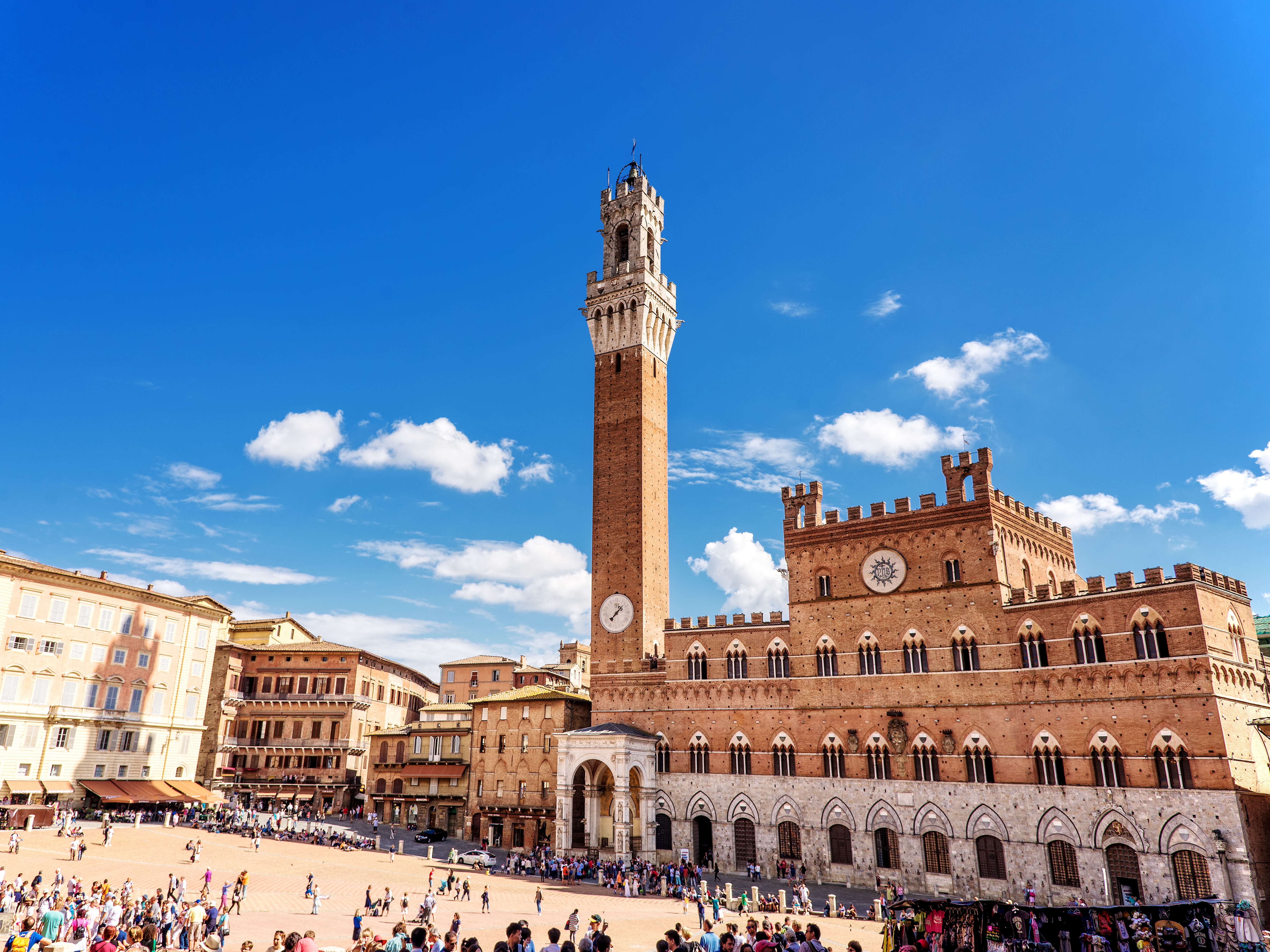
Florence makes an excellent base for a day trip into Tuscany. The hilltop city of Siena is reachable by bus from Florence in around 75 minutes (SITA buses depart from near the train station) and is one of the finest medieval city centers in Italy. The Piazza del Campo—the main square—is one of the great public spaces in Europe.
Afternoon
Siena's Duomo is extravagantly decorated inside, with an inlaid marble floor and works by Bernini, Donatello, and Pinturicchio. The city's network of medieval contrade (districts) is also worth exploring on foot – each has its own church, museum, and distinct identity.
Evening
Back in Florence for the evening, the Oltrarno neighborhood rewards a second visit. The aperitivo culture here—small bites served with drinks at the bar—tends to be more generous and less performative than in the historic center.
Day 7: Florence to the Cinque Terre
Morning
The journey from Florence to the Cinque Terre involves a train to La Spezia Centrale (around 2 to 2.5 hours, through Pisa or direct) followed by the local Cinque Terre Express, which connects all five villages in under 30 minutes. The Cinque Terre Card covers unlimited train travel between the villages and access to the hiking trails – worth picking up at La Spezia before boarding.
Afternoon
Arriving into one of the five villages—Riomaggiore, Manarola, Corniglia, Vernazza, or Monterosso al Mare—is one of the most striking moments of this northern Italy itinerary. Colorful houses stack up steep cliff faces above a narrow harbor and brilliant blue water. Spend the afternoon getting oriented: Take the train between a couple of villages, find a harborside spot for lunch, and work out the lay of the land before tomorrow's hike.
Evening
The terrace at Nessun Dorma in Manarola is one of the more celebrated sunset viewpoints in the Cinque Terre, with views across the rooftops to the sea. Tables fill quickly, so arriving early or standing at the bar is the smarter move. Fresh anchovies, fried seafood, and Ligurian focaccia are the things to eat here.
Day 8: Hiking the Cinque Terre
Morning
The Sentiero Azzurro (Blue Trail) is the most famous hiking route in the Cinque Terre, connecting all five villages along the clifftop. The section from Monterosso al Mare to Vernazza is the most dramatic – around two hours of walking with steep ascents and extraordinary coastal views. Starting early pays off before the heat and the crowds build.
Afternoon
Continue along the trail at whatever pace suits, or take the train between villages to cover more ground. Vernazza's small harbor is one of the most photographed spots in Italy – the view from above the village, looking down over the bell tower and the sea, justifies the extra climb.
Evening
The light over the Cinque Terre in the hour before sunset is exceptional. Manarola's cemetery viewpoint—a short walk above the village—is the classic spot, but any elevated terrace in the village works well. Pesto pasta is the signature dish of this stretch of the Ligurian coast: The basil here is genuinely different from anywhere else in Italy.
Day 9: the Cinque Terre to Venice
Morning
Travel days on this Italy itinerary ten-day route are best started early. Take the Cinque Terre Express back to La Spezia, then connect to Florence and onward to Venice Santa Lucia on the Frecciarossa (total journey time approximately four to five hours, depending on connections). Booking legs separately—La Spezia to Florence, then Florence to Venice—often returns better fares than a single through-ticket.
Afternoon
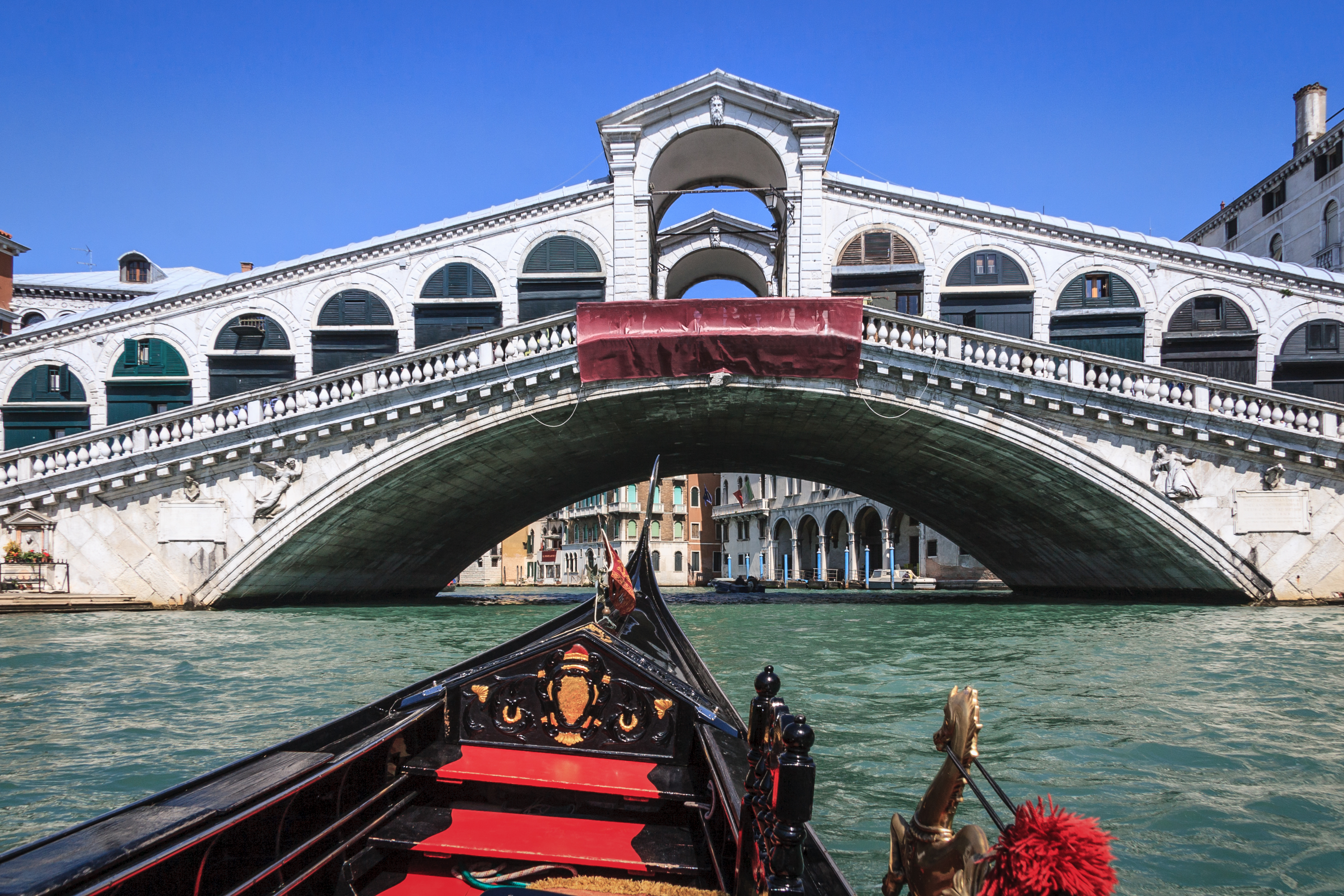
Arriving at Venice Santa Lucia station is an experience in itself: Step out of the doors and you're directly on the Grand Canal. Vaporetto Line 1 runs the full length of the Grand Canal to San Marco – one of the most scenic public transportation routes in Europe. Taking it slowly and watching the city unfold from the water is the best possible introduction to Venice.
Evening
The Rialto Market area is worth exploring on the first evening – the bridge and surrounding streets are far less congested after 6:00 pm, and the bacari (Venetian wine bars) nearby serve cicchetti (small snacks) like small bites of cured fish, bruschettam and marinated vegetables eaten standing at the bar with a glass of ombra (house wine). This is Venice's real food culture and one of the more affordable ways to eat well in the city.
Day 10: Venice
Morning
St Mark's Basilica is the obvious starting point – the gold mosaic interior is genuinely extraordinary, and entry is free (a small fee applies for the museum areas and loggia). Arriving before 9:30 am avoids the peak lines, or a reserved-entry slot can be booked in advance. The adjacent Doge's Palace (Palazzo Ducale) was the seat of Venetian power for a thousand years and warrants two to three hours.
Afternoon
The island of Burano—reached by vaporetto in around 40 minutes from Fondamente Nove—is famous for its brightly painted fishing houses and lace-making tradition. It's a genuine working island rather than a tourist set-piece, and the color of the buildings in afternoon light is remarkable. Allow two hours and take the return vaporetto before the last boats back thin out.
Evening
A final evening in Venice is best spent getting genuinely lost. The city's layout defies logic in the best possible way – follow a calle (alley) to see where it leads, cross a bridge you haven't crossed before and end up somewhere unexpected. Cannaregio, the neighborhood to the north of the station, has a quieter canal-side character and fewer tourists than San Marco – a good place to find a table for a last dinner.
Top tips for your Italy trip
A few practical considerations that make a real difference across all four cities on this itinerary.
Book tickets before you leave home
The Vatican Museums, Colosseum, Uffizi Gallery, Accademia, and Doge's Palace all operate timed-entry systems and sell out weeks in advance during the busier months. Booking from home avoids wasted time queuing on the day and means each morning starts on schedule rather than in hope.
Travel by train throughout
Italy's high-speed rail network connects all four destinations on this route directly and efficiently. Frecciarossa and Italo services between Rome, Florence, and Venice are fast, frequent, and comfortable – and significantly less stressful than flying when airport time is factored in. Booking in advance secures the lowest fares, especially on the Rome–Florence and Florence–Venice legs.
Carry cash for smaller transactions
Card payments are widely accepted in hotels, restaurants, and larger stores across Italy, but smaller trattorias, market stalls, bacari (Venetian wine bars), and the Cinque Terre Express ticket machines often prefer or require cash. Having euros on hand avoids any awkward moments, particularly in the villages.
Shoulder season is the sweet spot
April to June and September to October offer the most rewarding conditions across this route: Warm enough for hiking in the Cinque Terre, cool enough to spend hours in a museum without wilting, and noticeably less crowded than the July and August peak. Accommodation prices also tend to be lower in these windows, particularly in Venice and the Cinque Terre villages.
Five, seven, and eight-day Italy itinerary highlights
Shorter on time? Here's how to scale back this route without losing the essentials.
Five days: Rome and Florence
Three nights in Rome covers the Colosseum, Vatican, and historic center comfortably. Two nights in Florence adds the Uffizi, the Accademia and an evening in Oltrarno. Travel between the two on the Frecciarossa in around 1.5 hours.
Seven days: Add the Cinque Terre
The five-day Rome and Florence base extended by two nights in the Cinque Terre gives a complete change of pace – from city museums to clifftop trails and harbor lunches. This is arguably the most satisfying short version of the full seven-day Italy itinerary, covering three genuinely different landscapes and experiences.
Eight days: First look at Venice
Adding a single overnight in Venice to the seven-day route allows for an evening on the Grand Canal, a morning at St Mark's Basilica and a vaporetto ride before departing. Not enough time to do Venice justice, but enough to understand why it warrants a return trip.
Italy in ten days: A beginning, not an ending
A ten-day Italy itinerary covering Rome, Florence, the Cinque Terre, and Venice gives a genuinely rich first experience of the country – ancient history, Renaissance art, coastal hiking, and canal-side wandering, all connected by one of Europe's best rail networks. The pace is brisk but never frantic, and each city is different enough from the last to keep the journey feeling fresh throughout.
Most people who do this route leave already planning what comes next: A two-week Italy itinerary with the Amalfi Coast or a southern Italy itinerary with Sicily and Puglia. The Italian Lakes are worth a visit all on their own, too. Ten days is enough to fall for Italy. It's rarely enough to feel finished with it.
Disclaimer: The views and opinions expressed are those of the author and don't necessarily reflect the official policy or position of our company.