
- Spend a few days in Tokyo to see historic landmarks and soak up the neon signs of entertainment districts like Shinjuku
- Kyoto offers shrines, temples, and bamboo groves in a city steeped in tradition
- Spend a day amongst the sculptures and architecture of Japan's most famous art island
Japan is a traveler's dream. A huge diversity of incredible sights and experiences are all just convenient train rides from each other, making it easy to fit a lot into even a short trip. This ten-day Japan itinerary focuses on the highlights of the main island of Honshu, giving you a taste of the country's variety – from the modern metropolis of Tokyo to the historical neighborhoods of Kyoto, with a day on the famous art island of Naoshima on the way west to Hiroshima.
Day 1: Tokyo – arrive and explore Asakusa
Morning
From either Haneda Airport (9 miles from the center) or Narita Airport (37 miles from the center), transfer to your accommodation and settle in. The most convenient area to stay for this itinerary is around Tokyo Station, but the lively atmosphere of Shinjuku is another good option.
Afternoon
Start your Tokyo trip with the historic district of Asakusa, which gives a sense of the city when it became Japan's capital in 1868. The main sight is Senso-ji temple, a large Buddhist complex with an enormous red lantern above its entrance. The nearby Nakamise Shopping Street is lined with stalls selling traditional snacks and crafts.
Not far away is Tokyo Skytree, the tallest tower in Japan at 2080 feet. You can buy a ticket to visit observation decks on levels 350 and 450 for incredible panoramic views.
Evening
A great way to learn more about Japan and get some tips for your stay is to join a food tour or a bar-hopping tour. A local guide will introduce you to dishes like yakitori and gyoza, as well as explaining Japanese customs and the types of restaurants you'll find across the country.

Day 2: Tokyo – Shibuya and Shinjuku
Morning
Start in the busy commercial district of Shibuya to walk across the famous Shibuya pedestrian crossing, considered the busiest in the world. Then wander up to Harajuku, a suburb famed for its youth subcultures, with people in cosplay outfits, niche stores, and snacks.
Nearby, the important Meiji Jingu shrine has a quiet inner core surrounded by a sprawling forest of more than 100,000 trees you can rest in.
Afternoon
Wandering up towards Shinjuku, there are a number of interesting experiences you can do this afternoon that offer an interesting look at Japanese culture. You might enjoy a ramen-making experience for an early lunch, a class to make chopsticks, or a workshop making your own Daruma doll.
Evening
Shinjuku is one of the busiest districts of Tokyo and the streets buzz with energy. After exploring stores and video game arcades, you'll see the neon lights turn on at sunset. For dinner, countless restaurants offer Japanese and international cuisines, then head into the Kabukicho entertainment district to see the huge Godzilla sculpture, karaoke rooms, and the tiny bars of Golden Gai.
Day 3: Tokyo – Tsukiji Fish Market and teamLab art experience
Morning
Tsukiji Fish Market is the largest in the world, famous for its tuna auctions, so start early to explore independently or join a tour to get more information about the market's history and operations.
With any spare time, stroll through the East Gardens of the Imperial Palace. While the main part of the palace is closed to the public, the gardens let you see some of the traditional landscaping and ruins from the previous Edo-era castle.
Afternoon
The modern art collective known as teamLab has two ongoing exhibitions in Tokyo. While teamLab Borderless is slightly larger than teamLab Planets, they both can take hours to visit. These modern experiences use lights, water, sound, and other techniques to create immersive worlds that include areas that feel like vast gardens.
Evening
The area around Ginza and Tokyo Station give you the opportunity to choose the evening you want. Ginza has high-end bars and dining, including many Michelin-starred restaurants. On the other hand, Tokyo Station's Ramen Street lets you try different regional styles of the iconic noodle soup in a more relaxed fashion.
Day 4: Kyoto – Fushimi Inari Shrine and Gion
Morning
Catch the shinkansen bullet train for the trip to Kyoto. There are very regular departures from Tokyo Station, with the trip taking about 2.5 hours, depending on which service you choose. After arriving in Kyoto, transfer to your accommodation – Downtown Kyoto is a good and central area to stay.
Afternoon
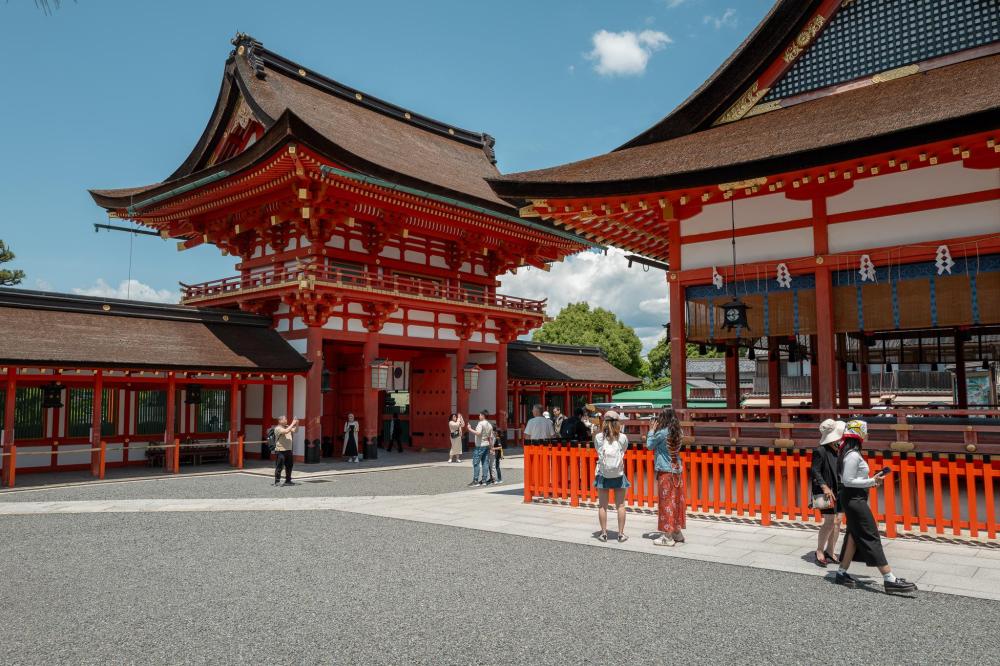
A good place to start exploring the heritage of Kyoto is at Fushimi Inari Shrine, where thousands of red torii gates lead the way along trails through the forest. Walk the path to the bamboo grove near Kandakara Shrine for a quieter detour.
Then make your way to one of the city's most scenic temples, Kiyomizu-dera, which is surrounded by forest up the slope of a hill. Vendors sell talismans and incense, cherry blossoms cover the trees in spring, and a viewpoint at the main hall offers vistas of the city, especially close to sunset.
Evening
From Kiyomizu-dera, you can walk downhill to the geisha district of Gion in about 15 minutes. The streets are filled with traditional wooden homes and teahouses, and you'll spot entertainers walking the paved streets in their outfits. Restaurants here serve traditional cuisine that's often accompanied by a geisha show.
Day 5: Kyoto – Arashiyama bamboo grove and temples
Morning
To avoid the crowds, head early to Arashiyama to stroll the scenic paths of the district's lush bamboo grove, where the trees soar upwards to create tunnels of green. There are also the historic Okochi-Sanso Villa, an art museum, and boat rides on the river. One of the area's most interesting temples is Tenryu-ji, where you can get a traditional Zen meal (called shojin ryori) for lunch.
Afternoon
Heading back to central Kyoto, visit three World Heritage-listed temples located close to each other. Ninna-ji is a peaceful site with a grove of cherry trees. Ryoan-ji is famous for a Zen rock garden that is filled with hidden meanings. And Kinkaku-ji is known as the Golden Pavilion because the top two floors of the main lakeside building are covered in gold leaf.
Evening
Compared to most Japanese izakayas (bars with snacks). Kyoto's tend to be more refined, with a focus on local and higher-quality food. To discover the best, join an izakaya tour with a local guide.
Alternatively, head to one of the city's top restaurants, like contemporary-styled Kinobu or seasonally focused Ogata.
Day 6: Kyoto – a day trip to Osaka
Morning
With several day trip options from Kyoto, you could explore the historic temples of Nara, wander forest pilgrimage routes around Koyasan, or spend the day at Universal Studios Japan.
But this itinerary takes you to Osaka, starting with the city's iconic landmark, Osaka Castle. Many of the castle's eight levels have interesting museum exhibitions and the views are impressive from the top. The surrounding park has lovely landscaping, especially inside Nishinomaru Garden.
Afternoon
Next, head to Shinsekai – a district of retro attractions. Tsutenkaku Tower in the center resembles the Eiffel Tower, and you'll also find video game arcades, a traditional theater, and plenty of street food like kushikatsu, deep-fried meat, or vegetables on a skewer.
Approaching sunset, you might like to go up Abeno Harukas, a soaring skyscraper that, at 984 feet high, offers sweeping vistas from its glass-enclosed observation deck.
Evening
For more than 400 years, the heart of Osaka's nightlife has been Dotonbori Street, with neon signs, bustling bars, and busy restaurants. For dinner, there are casual meals at the iconic Kushikatsu Daruma or Chibo Okonomiyaki. Or, follow the huge moving crab sign to the famous Kani Doraku crab restaurant.
Day 7: Okayama – Korakuen Garden and Kurashiki
Morning
It's just a one-hour shinkansen trip from Kyoto to Okayama, a lesser-visited part of Japan that this itinerary is recommending as a base to explore some nearby attractions. Staying close to the main train station will save you time on extra transportation.
After settling in, visit Korakuen Garden, one of Japan's "Three Great Gardens," with an incredible variety of landscapes through its expansive layout. You get a birds-eye view of the garden from the city's other main sight, Okayama Castle, which has an imposing black facade.
Afternoon
It's then just a 15-minute train ride to Kurashiki, a city well-known for its historical quarter with a stone-lined canal draped with weeping willow trees. You can take a boat tour and visit the white-walled storehouses and browse the stores selling traditional crafts. The city's Ohara Museum of Art is also significant as the first private museum of Western art in Japan
Evening
Nishigawa Canal Park, a leafy stretch along the city waterway, is lit up at night and it's a pleasant area for an evening stroll. The streets around the park have a range of restaurants, including small izakayas and craft beer bars.
Day 8: Okayama – a day trip to Naoshima island
Morning
Take the 45-minute train and 20-minute ferry to Naoshima, an island in the Seto Inland Sea between Honshu and Shikoku. Naoshima has become the most recognized of the region's art islands and has several fascinating museums.
Either walk or pick up a bicycle to get between the attractions, starting with the Chichu Art Museum, a subterranean structure that includes works by Claude Monet. There's also the Lee Ufan Museum, with large installations of stone and concrete, as well as the Benesse House Museum, with installations and paintings among luxury accommodation.
Afternoon
As you continue to explore the island, you'll find the abandoned village houses that have been turned into creative installations, along with outdoor artworks like Yayoi Kusama's famous pumpkin sculptures. There are also beaches and even a public bathhouse.
Evening
To maximize your time on the island, enjoy the sunset and see some of the illuminated artworks before getting dinner in Miyanoura Port, which has several good restaurants. Then catch the ferry back to Okayama – but be sure to check the time of the last trip back.

Day 9: Hiroshima – Miyajima Island and Itsukushima Shrine
Morning
The shinkansen trip from Okayama to Hiroshima can be as fast as 35 minutes, so drop off your luggage at your accommodation and head straight for Miyajima Island, which is about one hour away by local train and a short ferry trip from the mainland.
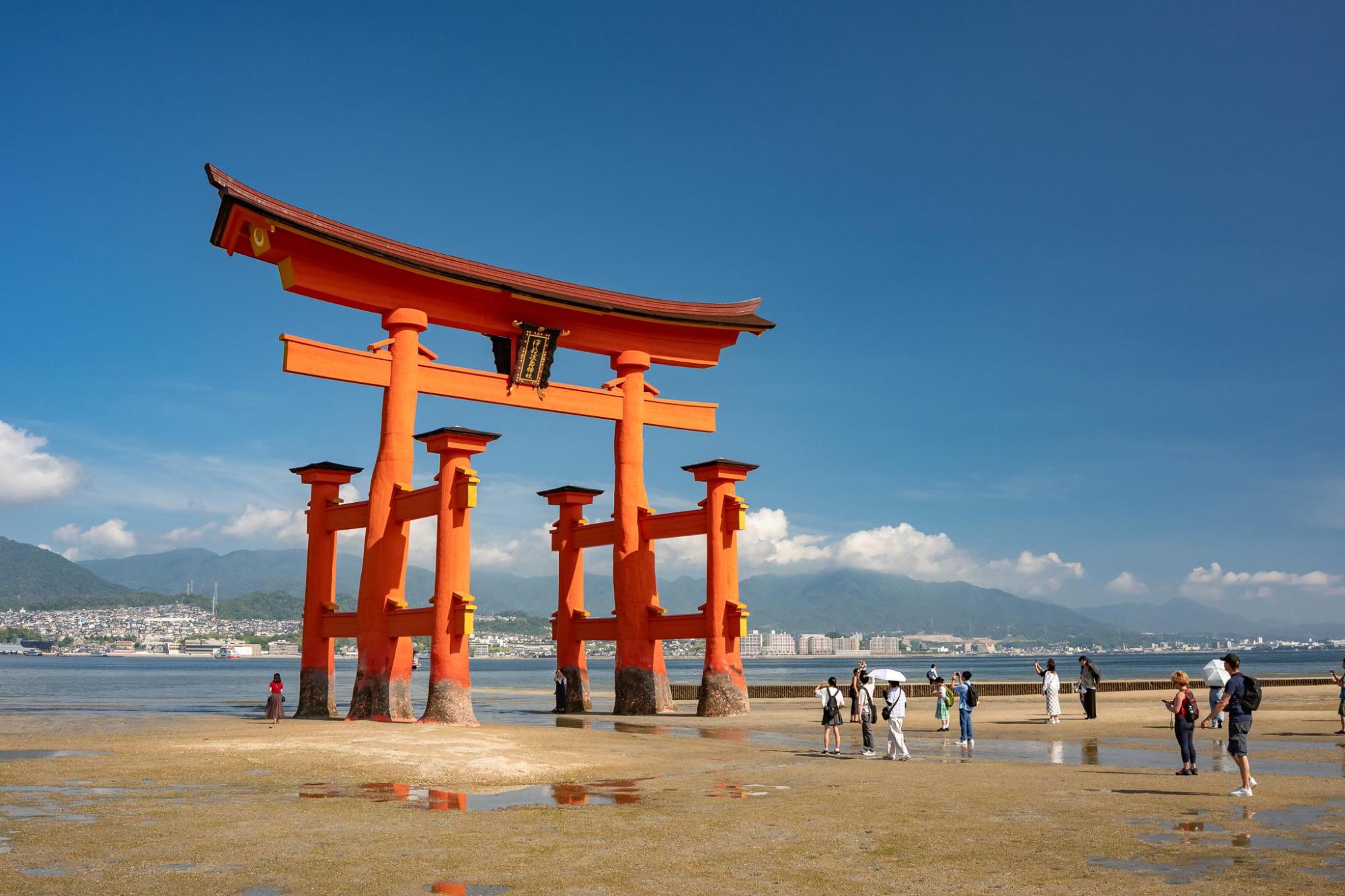
This sacred island is home to one of Japan's most scenic views, with its large red torii gate emerging from the sea at high tide and sometimes reflecting in the water. After seeing the gate, visit nearby Itsukushima Shrine, a shinto site that's been built over the top of the water.
Afternoon
Miyajima's natural landscapes are also a highlight. There's a ropeway up to the top of Mount Misen or three main hiking trails decorated with stone statues. Near the summit is the Reikado Hall with an "eternal flame" that has burned for over 1,200 years.
Evening
You may want to see the "floating" torii gate again at sunset for a scenic view. Then head back to Hiroshima for dinner at Okonomimura, a building that contains 25 restaurants that all serve the regional dish of okonomiyaki, where a crepe is layered with cabbage, pork, and noodles.
Day 10: Hiroshima – sightseeing including the Peace Memorial Park
Morning
Spend the morning at one of Hiroshima's most important sights. The Peace Memorial Park is a large park that was the city's commercial center before the United States dropped an atomic bomb in 1945. Rather than rebuild, the land is now mainly lawns and trees, along with a museum and the A-Bomb Dome – a building that remained standing and is now a memorial.
Afternoon
Other sights in the city include Hiroshima Castle, a reconstruction of the original building from 1589, and the nearby Shukkeien Garden, which has landscapes representing valleys and mountains. With a reservation in advance, you can also take a tour of the Mazda Museum to learn about the importance to the city of the car manufacturer.
Evening
If your flight leaves from Tokyo, you can reach the capital in less than four hours by shinkansen. Otherwise, you might want to fly directly from Hiroshima Airport, which has routes within Japan and around Asia.
Top tips for your stay in Japan
To make your trip to Japan even more comfortable, there are some useful tips to keep in mind:
- Many of the carriages on the shinkansen bullet train only have reserved seating, so it's a good idea to book a seat when you buy a ticket.
- Japan's largest train stations can be quite confusing for visitors – if you're lost, use the map to find the exit number you need and follow the signs.
- In Japan, it's common to take off your shoes before entering temples, homes, rooms with tatami mats, and even some restaurants.
- Local convenience stores are very useful because they stock lots of daily essentials including high-quality meals, and often have an ATM.
- There's no tipping in Japan, and it can even cause offense if you leave money for someone.
Five and seven-day Japan highlights
For trips shorter than ten days, Japan's extensive transportation system makes it easy to still see a lot in a five or seven-day itinerary.
- For a five-day Japan itinerary, concentrate on the two cities of Tokyo and Kyoto, with a day trip to somewhere like Osaka, Nara, or Koyasan.
- With seven days in Japan, you could have a busy trip visiting Tokyo, Kyoto, and Hiroshima, with a day trip to Osaka or Naoshima
- It's easy to change the suggested itinerary with alternative stops. Some good destinations to consider are Kamakura, Hakone, and Kanazawa.
10 days in Japan
Japan's enchanting blend of tradition and modernity is on full display in this ten-day Japan itinerary, which takes you through big cities, into quieter neighborhoods, and to some attractions. You'll be traveling quite often but Japan's transportation system is fast and reliable so there's not too much time on the train. Along the way, there are lots of opportunities to enjoy the regional cuisine, experience some local culture, and see the highlights of the country's main island.
Disclaimer: The views and opinions expressed are those of the author and don't necessarily reflect the official policy or position of our company.