

- October to April is the best time to visit for hiking season, while December to February are the busiest months. March offers fewer crowds and still reliable weather
- Buses connect all major stops on this route, including a cross-border service between El Calafate and Puerto Natales (around five to six hours, including the border crossing)
- Accommodation inside Torres del Paine National Park books up months in advance. Secure your park nights—and your Los Glaciares National Park entry tickets—before arriving
Few destinations command attention like Patagonia. Stretching across the southern tip of South America, this vast wilderness straddles Argentina and Chile, drawing travelers with its glacier-carved valleys, soaring granite peaks, and winds that rewrite the sky in minutes.
This ten-day Patagonia itinerary covers the essential highlights on both sides of the border – the thundering ice of Perito Moreno, the needle-like towers of Torres del Paine, and the hiking trails of El Chaltén, where Mount Fitz Roy rises above everything else.
This route starts in El Calafate, Argentina, moves north to El Chaltén, then crosses into Chilean Patagonia through Puerto Natales and Torres del Paine National Park, finishing in Punta Arenas. Fly into El Calafate (FTE) and out of Punta Arenas (PUQ) to avoid backtracking.
Day 1: Arrival in El Calafate
Morning
El Calafate sits on the shore of Lago Argentino, Argentina's largest freshwater lake, and makes a welcoming first base. After landing at El Calafate International Airport (FTE)—most flights arrive from Buenos Aires and take around three hours—there's still time to settle in and get oriented. The town is compact and easy to walk, with most restaurants, stores, and tour agencies lined along Avenida del Libertador.
Afternoon
After checking in, a gentle afternoon walk along the lakefront sets the tone for the days ahead. The Laguna Nimez Ecological Reserve sits within walking distance of the center and is home to flamingos, black-necked swans, and more than 80 bird species – a good introduction to the Patagonian landscape without taxing jet-lagged legs.
Evening
El Calafate has a solid restaurant scene for its size. Locally sourced slow-roasted lamb is the dish to try in this part of Patagonia. The town's Avenida del Libertador has plenty of options at different price points. An early night pays dividends: the glacier days ahead are long ones.
Day 2: Perito Moreno Glacier
Morning
One of the most striking sights in South America awaits 80 km west of El Calafate. The Perito Moreno Glacier is a UNESCO World Heritage Site and is located within the Los Glaciares National Park. The glacier advances around 6.6 feet per day while constantly calving, sending vast blocks of ice crashing into Lago Argentino below.
Buses run from El Calafate's terminal from around 8:00 am, taking roughly 90 minutes to reach the park. A separate park entrance fee applies (currently around USD 31 for international visitors. Check the official park site at ventaweb.apn.gob.ar for the latest rates, as these change frequently).
Afternoon
A network of wooden boardwalks wraps around the glacier's snout, offering viewpoints at different heights and angles. The full circuit takes one to two hours on foot and requires no special equipment. For those wanting to get closer, glacier trekking tours—operated exclusively by Hielo y Aventura—range from a 90-minute Minitrekking option (suitable for ages 8–65) to the more demanding Big Ice trek (approximately 3.5 hours on the ice, ages 18–50). These run from the park itself and must be booked separately in advance.
Evening
Buses return to El Calafate from the park in the afternoon. The journey back is an easy one to watch the steppe turn gold in the evening light. Stock up on snacks for tomorrow's early departure.

Day 3: El Calafate to El Chaltén
Morning
An early bus north to El Chaltén—Argentina's self-styled trekking capital—makes the most of the day. Several companies including Chaltén Travel and Cal Tur run daily services from El Calafate's terminal, with departures from 8:00 am onward.
The journey takes around three hours along National Route 40, passing through Patagonian steppe and pulling into El Chaltén with Mount Fitz Roy filling the windscreen on the approach. All trails in El Chaltén fall within Los Glaciares National Park and now require an entrance fee – book online in advance particularly in high season.
Afternoon
After checking in, an introductory hike to the Mirador de los Cóndores or the waterfall at Chorrillo del Salto is a gentle way to shake off the journey – both routes are under 1.2 miles and take less than an hour. The views of Fitz Roy from the ridge above town give a preview of what's in store tomorrow. El Chaltén is a small town but has a handful of warm, welcoming restaurants and well-stocked grocery stores.
Evening
El Chaltén shuts down relatively early by South American standards – ideal for an early night before the big hike. It's worth packing a lunch and plenty of water tonight, as food options on the trail are limited.
Day 4: Laguna de los Tres and Mount Fitz Roy
Morning
The Laguna de los Tres hike is regularly cited as one of the finest day hikes in South America, and on a clear day it's easy to see why. The trail leaves from the Senda al Fitz Roy trailhead at the edge of town and climbs 21 km round-trip to a glacial lake at the base of Mount Fitz Roy, with the last mile involving a steep 1310 m ascent over rocky terrain. Starting as early as possible—7:00 am or before—makes trekking the summit section of this hike in the best light and before afternoon winds pick up.
Afternoon
The descent offers different angles on the lenga beech forest below and on calm days, mirror-still reflections in the lakes along the way. The full hike takes seven to ten hours depending on pace, making this a genuine full-day commitment. Back in town by early evening, legs will be grateful for whatever is nearest on the menu.
Evening
El Chaltén's compact strip of restaurants does a good job of refueling hikers. The town has a convivial end-of-day atmosphere with travelers comparing routes. Rest up – there's another long day tomorrow if conditions allow.
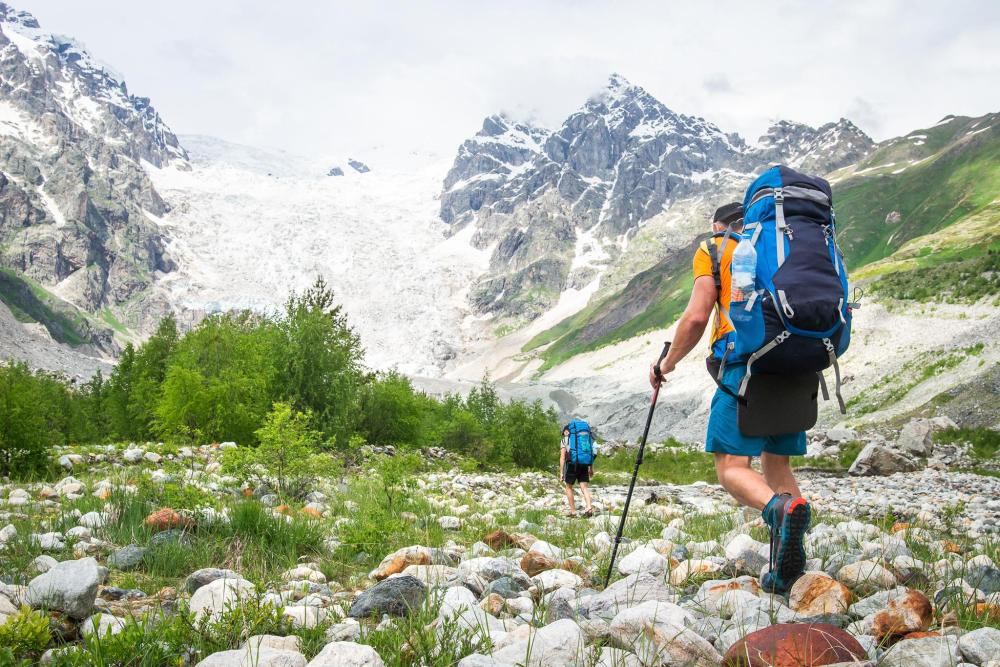
Day 5: Cerro Torre and Laguna Torre
Morning
El Chaltén's second great hike leads to Laguna Torre and a close-up view of the spire-like Cerro Torre, one of the most technically demanding peaks in the world. The trail is 11 miles round-trip from the trailhead at the south end of town and takes at least five to seven hours. It's more sheltered than the Fitz Roy route for much of the way, winding through forest before opening onto the moraine-edged glacial lake with its resident iceberg.
Afternoon
The Mirador del Torre viewpoint above the lake adds an extra 40 minutes of climbing but the panorama of Cerro Torre, Torre Egger, and the southern ice field beyond is exceptional. Pack out all rubbish, as no trash cans exist on the trail. Most walkers are back in El Chaltén by mid-afternoon.
Evening
With two major hikes done, the evening is a good moment to rest, review photos and book the onward bus to El Calafate for the following morning's cross-border connection if not already done. Buses from El Chaltén sell out in peak season.
Day 6: El Chaltén to Puerto Natales via El Calafate
Morning
This is a travel-heavy day: An early bus from El Chaltén back to El Calafate (around three hours), then a connecting bus from El Calafate to Puerto Natales in Chile. The cross-border service takes around five to six hours including the border crossing at Paso Río Don Guillermo. Buses run by Bus-Sur, Marga Taqsa, and Turismo Zaahj depart from El Calafate at around 8:00 am and arrive in Puerto Natales by early afternoon. Book both legs in advance, particularly during December to February.
Afternoon
Note that no food may be brought across the Argentine–Chilean border, so eat beforehand or factor in stops. At the border, all passengers disembark for passport control on both sides – the process is usually smooth but allow for delays. Puerto Natales is a small, characterful town named the Culinary Capital of Chile in 2024. It's the main gateway to Torres del Paine National Park, around 70 miles north. Arriving by mid-afternoon leaves time to explore the waterfront and the Museo Histórico Municipal before dinner.
Evening
Puerto Natales has a strong restaurant scene for its size, with several spots specializing in lamb and king crab from the Magallanes region. Tonight's a good night to book any park shuttles or guided hikes for the next two days if not already arranged.
Day 7: Torres del Paine – Mirador Base de las Torres
Morning
Torres del Paine National Park is about a two-hour drive from Puerto Natales. Day-trip buses leave from the town's terminal from around 7:00–7:30 am for the Laguna Amarga entrance: guided tours with pick-up from accommodation also depart at this hour. The park entrance fee applies (check the CONAF website for current rates). The headline hike leads to the Mirador Base de las Torres – the turquoise glacial lake at the foot of the three iconic granite towers. It's a 14 mile round-trip with over 3,280 feet of elevation gain, and the final half mile is a steep scramble over loose rock. Starting by 9:00 am at the latest is advisable.
Afternoon
The summit reward is one of the great views in South America: three 9,186-foot granite pillars reflected in milky-blue water. The descent follows the same trail and takes around three hours. Trekking poles help considerably on the way down. Pack sufficient food and water, as options inside the park are limited and expensive.
Evening
Day-trip buses return to Puerto Natales by 8:00–9:00 pm. This is a long, physically demanding day – plan for an easy evening and an early rest.
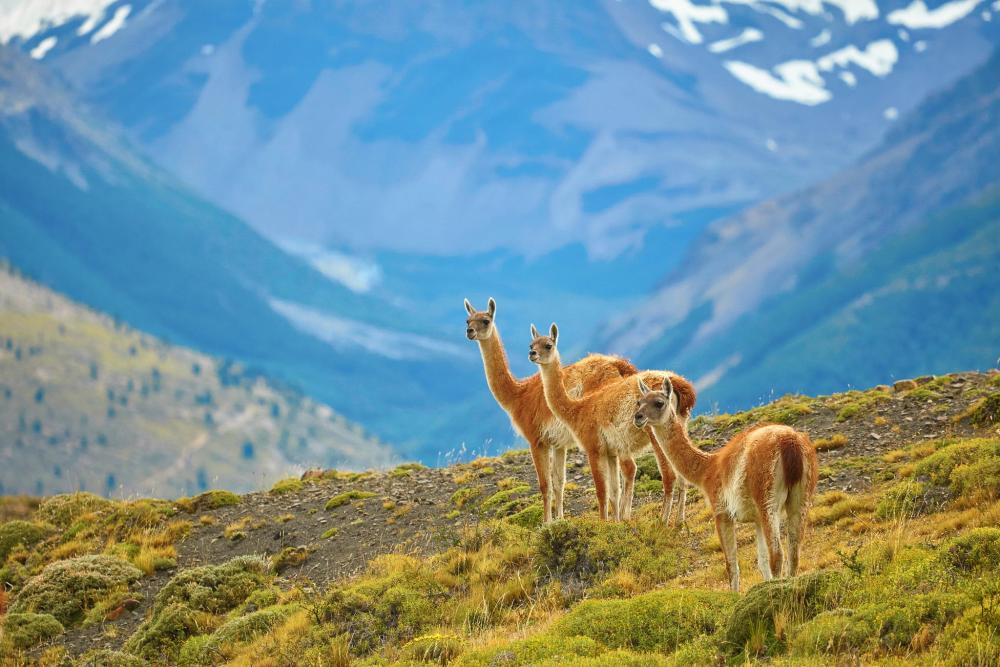
Day 8: Torres del Paine – Valle del Francés and Mirador Británico
A second day in the park opens up its quieter western sectors. The catamaran across Lago Pehoé (check schedules on the CONAF site and book ahead in peak season) reaches the Paine Grande area, the starting point for the Valle del Francés hike. This trail climbs into a hanging valley flanked by glaciers and avalanche-scarred cliffs, with the Mirador Británico viewpoint at its head. The round-trip from Paine Grande is around 15 miles. Most walkers turn back at Mirador Francés (roughly 9 miles) if energy or time is a factor.
Afternoon
The return catamaran brings walkers back to Pudeto, where a connecting bus runs to Puerto Natales. The Salto Grande waterfall at the junction of Lagos Nordenskjöld and Pehoé is a short detour worth making on the way out – particularly after recent rainfall, when the cascade is at its most dramatic.
Evening
Back in Puerto Natales, the evening is free for a final look around town. The waterfront along the Seno Última Esperanza is pleasant at dusk, with views across to distant peaks.
Day 9: Puerto Natales to Punta Arenas
Morning
The bus from Puerto Natales to Punta Arenas takes around three hours and runs several times daily. Punta Arenas is Chile's southernmost city and a historic gateway to Patagonia and Antarctica. The city center retains fine 19th-century architecture, built during the wool and shipping boom when the Strait of Magellan was a critical global trade route. The Plaza Muñoz Gamero, with its bronze monument to Magellan, is the natural starting point for exploring on foot.
Afternoon
The Cementerio Municipal de Punta Arenas—a UNESCO-recognized historic site—is one of the most extraordinary cemeteries in South America. Its cypresses and ornate mausoleums tell the story of the city's immigrant communities. The Museo del Recuerdo and the Museo Nao Victoria—an open-air ship museum featuring replicas of historic vessels including Magellan's Victoria—offer insight into the region's seafaring past. For wildlife, the Otway Sound penguin colony, home to thousands of Magellanic penguins from October to March, is about 40 miles from the city.
Evening
Punta Arenas is known for its seafood – centolla (king crab) in particular is outstanding here and a fitting final dinner for a Patagonia trip itinerary at this scale. The city has a range of restaurants around the Plaza de Armas and along Calle Bories.
Day 10: Punta Arenas – final morning and departure
Morning
With a morning flight from Punta Arenas (PUQ) back to Santiago or onward destinations, there's time for a final walk along the Estrecho de Magallanes waterfront and a coffee in the city center before heading to the airport. The Punta Arenas airport is around 20 minutes from the city center by taxi.
Afternoon
Most flights from Punta Arenas connect through Santiago's Arturo Merino Benítez International Airport (SCL). Allow ample time for connections, particularly if continuing internationally, as domestic-to-international transfers in Santiago require re-checking luggage and clearing customs.
Evening
If the schedule allows an overnight in Santiago before a long-haul flight home, the city's Bellavista and Lastarria neighborhoods offer a lively final evening with excellent food and pisco cocktails to close out the trip.
Top tips for your Patagonia itinerary
A few practical things that make a difference across ten days in this part of the world:
Book accommodation and park passes early
Space inside Torres del Paine—both refugios (shelters) and campsites—sells out months ahead during December to February. Park entry tickets for Los Glaciares National Park in Argentina can be purchased online at ventaweb.apn.gob.ar. A three-day or seven-day flexipass covers both the Perito Moreno and El Chaltén sections of the park. Torres del Paine park passes can be arranged via the CONAF website.
Pack layers and rain gear
Patagonian weather is notoriously changeable – sun, rain, hail, and wind can cycle through in a single afternoon. A waterproof jacket, thermal base layers and a warm mid-layer are non-negotiables for any of the hikes on this route. Wind speed in the exposed sections of Torres del Paine can be high enough to affect balance on ridgelines.
Time the border crossing carefully
The El Calafate to Puerto Natales bus crosses the Argentina–Chile border at Paso Río Don Guillermo. The journey takes five to six hours in total, and the Chilean side has strict biosecurity rules: no fresh fruit, vegetables, or animal products may cross the border. Factor this into your packing and don't underestimate the time the process can take during peak season.
Use bus travel but book ahead
Buses cover all the main legs of this Argentina and Chile Patagonia itinerary and are comfortable, affordable, and scenic. In peak season, they often sell out – particularly the El Calafate–El Chaltén and El Calafate–Puerto Natales routes. Booking online through Busbud or directly with Chaltén Travel and Bus-Sur a week or more in advance is advisable.
5, 7, and 10-day Patagonia itinerary highlights
Shorter on time? Here's how to focus the route:
- Five-day Patagonia itinerary highlights: Base yourself in El Calafate for a full day at Perito Moreno Glacier and join a guided day trip to Torres del Paine for the Mirador Base de las Torres hike.
- Seven-day Patagonia itinerary highlights: Add two nights in El Chaltén for the Laguna de los Tres and Laguna Torre hikes, then cross to Puerto Natales for two days in Torres del Paine.
- Ten-day Patagonia itinerary highlights: The full route above, covering Argentine and Chilean Patagonia at a considered pace – the sweet spot for first-time visitors wanting both glacier and peak experiences without rushing.
Where wild takes over
Ten days in Patagonia is enough to see its highlights – and to understand why people keep coming back. The scale of the landscape, the quality of light, and the physical effort involved in getting to its best viewpoints make it one of travel's more rewarding commitments. A well-planned Patagonia vacation itinerary at this length offers two of the world's iconic national parks, a glacier you can walk on, and the kind of silence that only exists at the end of the world. Start planning as early as you can, pack flexible days around weather windows, and arrive knowing that things rarely go exactly to schedule here – and that's usually fine.
Disclaimer: The views and opinions expressed are those of the author and don't necessarily reflect the official policy or position of our company.