
- The Recoleta Cemetery's elaborate mausoleums and tree-lined avenues
- Teatro Colón for its architecture and renowned acoustics
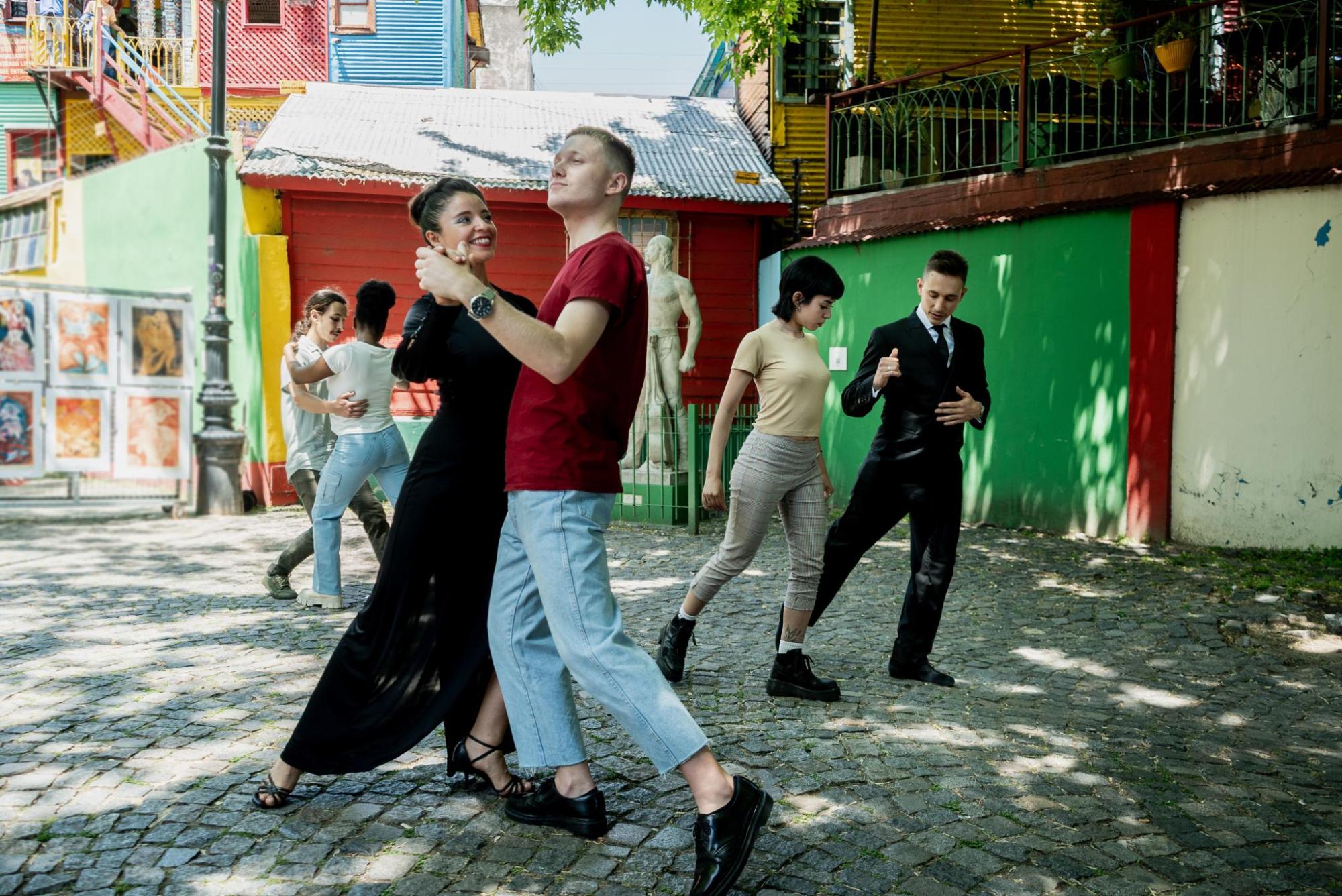
- La Boca's colorful Caminito street and the legendary La Bombonera stadium
- Traditional parrillas in Palermo and San Telmo for authentic Argentine asado
Argentina's capital rewards those who take their time discovering its distinct neighborhoods and thriving cultural scene. This Buenos Aires itinerary spans seven days, covering historic landmarks, contemporary art museums, bustling markets, and late-night dining culture. Each barrio (neighborhood) reveals its own character – from Recoleta's French-inspired architecture to San Telmo's cobblestone streets.
Day 1: Arrival and Recoleta
Morning
Following a long-haul flight, the first morning works best when kept manageable. After checking in, Recoleta offers an accessible introduction to the city. Tree-lined Avenida Alvear showcases Buenos Aires' European influences through Beaux-Arts buildings and upmarket boutiques.
The Recoleta Cemetery stands as one of the city's most visited sites, where elaborate mausoleums and marble statues create an outdoor museum of Argentine history. Eva Perón's modest tomb draws visitors among grander structures, while the winding paths reveal architectural styles spanning over a century.
Afternoon
Lunch in Recoleta allows you to discover Argentine cuisine, without overwhelming any jet-lagged appetites. The neighborhood's cafés serve lighter options like empanadas, beef-filled pastries, alongside cortados, the local espresso drink. Those ready for heartier fare can sample bife de lomo (steak) at Parrilla Aires Criollos, a traditional parrilla (grill) on Avenida Santa Fe popular with locals.
Plaza Francia, adjacent to the cemetery, hosts weekend craft markets where artisans sell leather goods, jewelry, and artwork. Even on weekdays, the square's jacaranda trees and surrounding green spaces provide spots for people-watching. The nearby Museo Nacional de Bellas Artes houses European masterworks by Rembrandt, Monet ,and Goya alongside Argentine artists, with free admission making it an appealing cultural stop.
Evening
First evenings work best with nearby dining rather than traversing the city. Recoleta's restaurants span from traditional parrillas to contemporary Argentine cuisine. Those craving beef can order bife de chorizo (sirloin) cooked jugoso (medium-rare). Argentine wine lists inevitably feature Malbec, the country's signature varietal that pairs naturally with grilled meats.
Early nights prove sensible after international travel, though Buenos Aires' energy continues well past midnight. A stroll through the illuminated streets offers a first glimpse of the city's nocturnal character.

Day 2: Palermo and museums
Morning
Palermo spans enough territory to fill days of exploration, though this Buenos Aires itinerary focuses on its cultural highlights and green spaces. The neighborhood subdivides into distinct areas: Palermo Soho's boutiques and street art, Palermo Hollywood's restaurant scene, and the parklands along Avenida Figueroa Alcorta. Morning hours suit museum visits before afternoon crowds arrive.
The Museo de Arte Latinoamericano de Buenos Aires (MALBA) showcases 20th-century Latin American art, with works by Frida Kahlo, Diego Rivera, and Fernando Botero among its permanent collection. The modern building itself makes an architectural statement in the neighborhood. Wednesday visits offer discounted admission, but the museum closes Tuesdays, so planning ahead helps prevent disappointment.
Afternoon
Palermo's Bosques section is home to the Jardín Japonés, Rose Garden, and planetarium. The Japanese Garden offers tranquil ponds, while the Rose Garden blooms spectacularly during spring and summer. These parks serve porteños (residents of Buenos Aires) seeking respite from urban density.
After exploring the cobbled streets and antique markets, it's time for lunch. For a traditional Argentine experience, Parrilla El Pensador near Plaza Italia offers the kind of neighborhood parrilla where locals gather for expertly grilled cuts in a relaxed setting. The bife de chorizo is highly recommended. If you're already looking for a break from meat, Lucio Pizza y Pasta on the corner of Scalabrini Ortiz serves homemade pastas and stone-baked pizzas. It's a Palermo institution known for its quality Italian fare and those famous medialunas (Argentine pastry), though you might save those for another visit.
Evening
Palermo's nightlife awakens gradually, with bars and restaurants filling after 11:00 pm. Before dinner, the neighborhood's cocktail bars craft Argentine twists on classics using local ingredients like dulce de leche (milk caramel spread) and fernet (aromatic liqueur). Dinner reservations at sought-after parrillas like Don Julio or Fogón Asado require advance booking, though walk-in options abound for more spontaneous dining.
Following dinner, Palermo Hollywood's bar scene extends into early morning hours – Soler Street Bar is a great laid-back spot if you’re feeling tired after your first full day of exploring. The neighborhood draws younger crowds and tourists alike, creating a diverse atmosphere distinct from more traditional Buenos Aires establishments. Those seeking tango can find milongas (tango dance halls) throughout the city, though dedicated shows provide more theatrical experiences covered later in this seven-day Buenos Aires itinerary.
Day 3: Historic center and Teatro Colón
Morning
Buenos Aires' historic center concentrates landmarks within walking distance. Plaza de Mayo has witnessed pivotal moments in Argentine history, from independence declarations to political protests. The pink Casa Rosada (presidential palace) contrasts with the white Cabildo. The Metropolitan Cathedral houses José de San Martín's tomb, with guards changed every two hours between 7:00 am and 5:00 pm. If you want to take a stroll, Avenida de Mayo connects Plaza de Mayo to the Congress building, lined with cafés where porteños debate politics over espresso.
Afternoon
Teatro Colón ranks among the world's finest opera houses, renowned for acoustics that place it alongside La Scala and the Metropolitan Opera. Guided tours run daily, revealing the ornate main hall with its painted ceiling and seven-tier horseshoe design. The tour includes rehearsal rooms and workshops where artisans create sets and costumes.
Lunch near the Obelisco presents numerous options along Avenida 9 de Julio. Parrilla Peña, near Teatro Colón, welcomes diners with complimentary empanadas before serving exceptional steaks.
Evening
The evening is great for exploring the Palermo dining scene further or returning to Recoleta for a different culinary experience. Nuestro Secreto, within the Four Seasons Hotel Buenos Aires, offers upmarket Argentine barbecue with an open-flame grill visible from the dining room. The restaurant demonstrates how traditional asado techniques apply to contemporary fine dining.
Alternatively, this evening provides the opportunity for a tango show experience. Venues like El Querandí in San Telmo combine dinner with performances that chronicle tango's evolution from local neighborhoods to international recognition. Shows typically begin around 10:00 pm following an 8:00 pm dinner, reflecting Buenos Aires' late dining culture.

Day 4: San Telmo and tango culture
Morning
San Telmo maintains the character of old Buenos Aires through cobblestone streets and architecture. The neighborhood awakens slowly, with antique stores and cafés opening mid-morning. Sunday's famous Feria de San Telmo transforms the streets into a sprawling market, though weekdays reveal the barrio without festival crowds.
Plaza Dorrego serves as San Telmo's heart, where tango dancers often perform for sidewalk audiences. The surrounding blocks contain the neighborhood's most atmospheric streets – Calle Defensa's antique dealers and numerous corner cafés where locals read newspapers over medialunas.
Afternoon
The Mercado de San Telmo's iron-and-glass structure houses food stalls and restaurants within a historic market building. Hierro Parrilla, inside the market, serves traditional asado in a lively atmosphere. The market operates daily, though Sunday's surrounding street fair creates peak crowds.
San Telmo's galleries and street art warrant exploration, particularly along Calle Balcarce. The neighborhood attracts artists and a bohemian atmosphere, resulting in studios, murals, and craft stores throughout the area.
Evening
San Telmo hosts numerous tango venues, from intimate milongas to formal dinner shows. La Ventana and El Viejo Almacén both occupy historic buildings, offering complete tango experiences with live orchestras, multiple dance pairs, and traditional Argentine dinner courses. Shows trace tango's development from working-class origins through various musical periods, including interpretations of Astor Piazzolla's nuevo tango compositions.
Those preferring live milongas over theatrical shows can visit neighborhood dance halls where locals dance tango socially. Beginners find welcoming environments at venues offering group classes before evening dancing begins. The music, stance and intricate footwork require years to master, though watching skilled dancers communicate through movement provides its own reward.
Day 5: La Boca and Puerto Madero
Morning
La Boca's colorful houses and working-port history create one of Buenos Aires' most photographed neighborhoods. El Caminito, a pedestrian street and outdoor museum, displays brightly painted buildings, tango dancers, and artist stalls. The street takes its name from a 1926 tango song, with artist Benito Quinquela Martín transforming the path into an open-air gallery during the 50s.
La Bombonera Stadium, home to Boca Juniors football club, sits blocks from Caminito. The Museo de la Pasión Boquense inside chronicles the club's history through trophies and tributes to legendary players including Diego Maradona. Stadium tours reveal the steep stands that create legendary acoustics, earning the nickname "the chocolate box" for its distinctive shape.
Afternoon
Lunch in La Boca centers on the touristy restaurants surrounding Caminito, though Pasta Bar back in San Telmo offers simple, quality pasta at better value. To make the most of your afternoon, be sure to stay within the marked tourist areas, and avoid walking to or from La Boca after dark.
Puerto Madero, Buenos Aires' newest neighborhood, occupies former docklands transformed into a modern district and is also worth a visit. The Puente de la Mujer, a white rotating footbridge designed by Santiago Calatrava, has become the area's symbol.
Evening
Puerto Madero's restaurant row lines both sides of the docks, with establishments specializing in steaks, seafood, and international cuisine. Cabaña Las Lilas maintains a high reputation for beef quality, though expect prices above neighborhood parrillas. The waterfront setting provides pleasant evening ambience, with locals and tourists filling sidewalk tables as the sun sets over the river.
Following dinner, Puerto Madero offers limited nightlife compared to Palermo or Recoleta, though the neighborhood suits leisurely evening walks. Those seeking bar culture can easily taxi to Palermo for late-night cocktails and music venues.

Day 6: Markets and alternative neighborhoods
Morning
Buenos Aires' neighborhood markets reveal local life beyond tourist circuits. Mercado de Abasto, housed in a restored Art Deco building, operates as a shopping center while maintaining market character. The surrounding Abasto neighborhood claims Carlos Gardel—tango's most legendary singer—as its former resident.
Palermo's weekend markets present alternatives depending on the day. Within Palermo, Plaza Serrano hosts weekend vendors selling handmade jewelry, clothing, and artwork among the neighborhood's bars and boutiques.
Afternoon
Villa Crespo, adjoining Palermo, maintains low-key character while offering quality dining and shopping. The neighborhood's leather outlets sell jackets, bags, and shoes at better prices than touristy areas.
Lunch in Villa Crespo at Chui reveals how exceptional vegetarian cuisine can be in this meat-loving city. The plant-based dishes are inventive and flavorful enough to impress dedicated carnivores, proving Argentine dining extends well beyond asado. Alternatively, return to favorite Palermo restaurants before afternoon shopping or museum visits.
Evening
The sixth evening suits exploring Villa Crespo further or revisiting favorite neighborhoods. Vico Wine Bar in Villa Crespo offers an impressive selection of Argentine wines by the glass in a relaxed setting, making it an excellent spot for dinner or drinks. The knowledgeable staff can guide you through regional varietals beyond the ubiquitous Malbec.
For those seeking traditional cuisine, Argentine specialties like locro (hearty stew) and humita (corn tamales) appear on menus throughout the city, showcasing regional flavors alongside the famous beef.
Day 7: Neighborhood discovery and departure
Morning
Your final morning may suit returning to favorite spots or exploring previously missed neighborhoods. Belgrano's residential character and tree-lined streets offer escape from tourist density. Alternatively, Palermo's parks invite morning walks along shaded paths where locals exercise.
El Ateneo Grand Splendid, frequently cited as the world's most beautiful bookstore, occupies a converted theater with the stage now housing a café. The preserved boxes, balconies and painted ceiling make visiting worthwhile even for non-readers. Lines can be long, so factor in buffer time before any fixed plans.
Afternoon
Lunch provides a final opportunity for Argentine staples – perhaps one last bife de chorizo paired with Malbec or empanadas from a trusted casa de empanadas. Those with afternoon flights should allow ample time reaching Ezeiza International Airport, located approximately 22 miles from the city center.
Last-minute souvenir shopping centers for leather goods, mate gourds, Argentine wines, dulce de leche spreads, and local artwork. San Telmo's antique stores sell vintage items, while Palermo boutiques stock contemporary Argentine fashion and design objects.
Evening
For those with evening departures, the final hours might include drinks at a favorite café or just walking through familiar neighborhoods. Buenos Aires reveals itself gradually – so a week provides a gentle introduction to the city.
Top tips for your stay in Buenos Aires
A few practical insights can make your week in Buenos Aires run more smoothly. Here are some essentials worth knowing before and during your trip:
- Currency exchange rates can fluctuate significantly, so it’s worth keeping an eye on during your visit.
- Buenos Aires' late dining culture means restaurants fill between 9:00 pm and 12:00 am, with many establishments not opening for dinner before 8:00 pm.
- Taxis from the airport to central neighborhoods take 45 minutes to an hour depending on traffic – allowing buffer time prevents stress before departures.
- Most stores and some attractions close Sundays or have limited hours – planning major shopping or specific museum visits around weekly schedules prevents disappointment.

Three, four, and five-day Buenos Aires itinerary highlights
Not everyone has a full week to explore the city. Whether you're planning a three, four, or five-day itinerary in Buenos Aires, you can still capture the essence of this captivating capital by focusing on core experiences. For a shorter stay, choose from any of these highlights:
- Explore Recoleta Cemetery's elaborate mausoleums, then wander Palermo's parks and diverse dining scene.
- Visit San Telmo's antique markets and cobblestone streets, and experience an evening tango show.
- Tour the ornate Teatro Colón opera house and stroll historic Plaza de Mayo in the city center.
- Discover La Boca's colorful houses and football culture, then dine along Puerto Madero's waterfront.
Make the most of your week in Buenos Aires
A week in Buenos Aires provides time to experience the city's diverse neighborhoods while avoiding the rushed pace that shorter visits demand. Each barrio maintains distinct character – Recoleta's elegance, San Telmo's bohemian atmosphere, Palermo's contemporary energy, and La Boca's colorful traditions all contribute to the capital's multifaceted identity.
This itinerary provides structure while allowing flexibility for weather, energy levels, and spontaneous discoveries. Argentine culture reveals itself through extended meals, passionate tango, and neighborhoods explored without fixed agendas – elements that reward those who embrace the city's distinctive pace.
Disclaimer: The views and opinions expressed are those of the author and don't necessarily reflect the official policy or position of our company.