
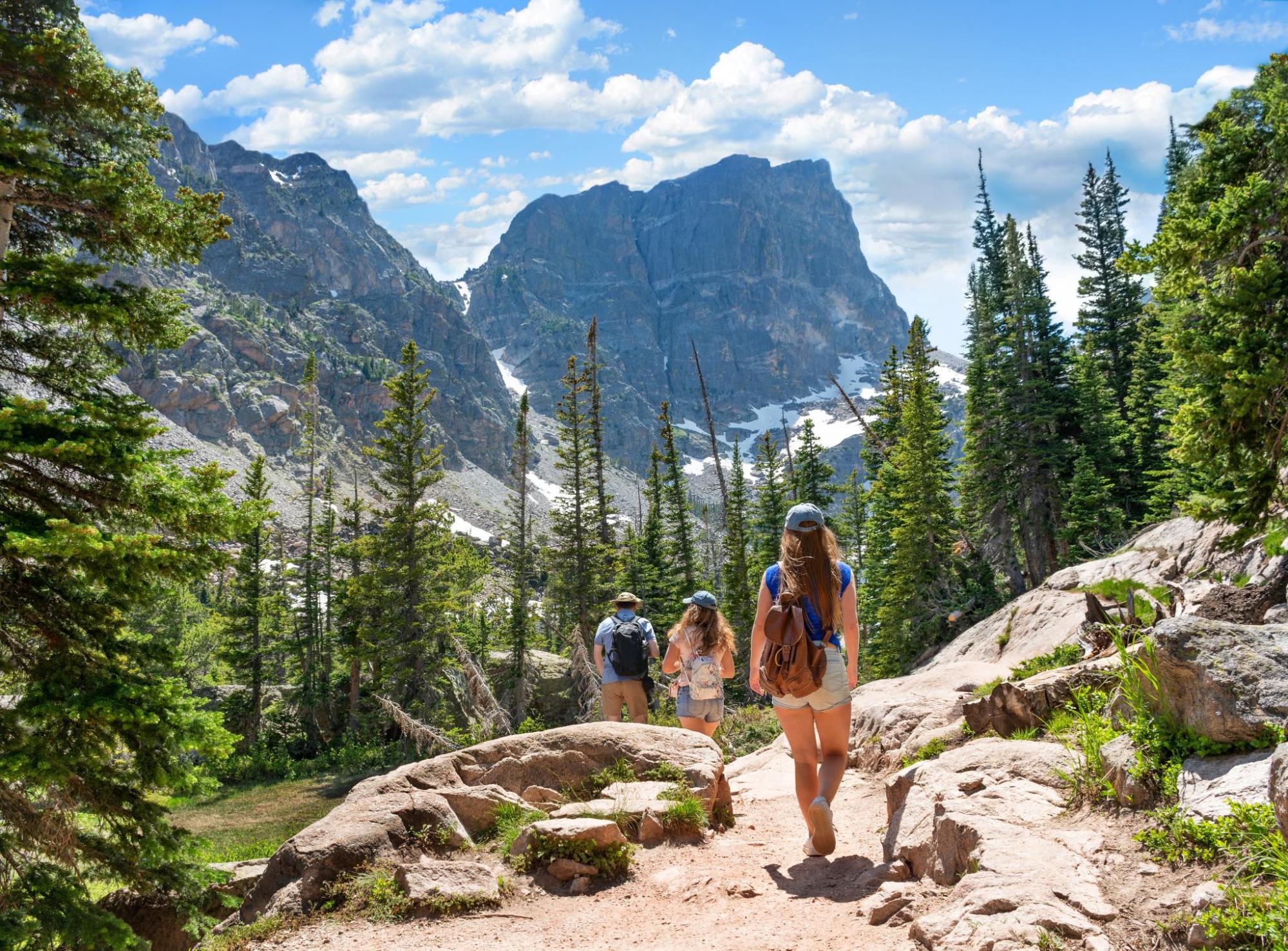
- Scenic drives through the Rocky Mountains and along Trail Ridge Road
- Outdoor adventures from hiking and rafting to skiing and hot springs
- Mountain towns including Aspen, Vail, and Breckenridge
Nestled in the heart of the American West, Colorado is made for road trips, where wide-open highways lead to mountain passes, alpine lakes, and historic towns set against the Rockies. The landscapes shift from high-altitude peaks to river canyons and open plains.
With a week to explore, this seven-day Colorado itinerary follows a well-paced loop through the Front Range and central mountains, combining Rocky Mountain National Park with some of the state’s most destinations.
Winding through striking terrain, the route connects mountain resorts, scenic byways, and small towns shaped by outdoor culture and frontier history. It’s designed to maximize views while keeping travel times manageable, offering a rewarding way to experience the Rockies in any season.
Day 1: Denver arrival
Arrival days in Denver are best kept flexible as you adjust to altitude, but the city offers plenty to do to ease you into the rhythm of the Rockies.
Morning
Arrive in Denver, pick up your rental car, and head into the city. As Colorado’s capital and largest hub, Denver naturally serves as the starting point for most road trips, where the plains meet the rising peaks of the Rocky Mountains.
Afternoon
Start exploring in LoDo (Lower Downtown), where historic brick buildings and converted warehouses set the tone for the city. Walk around Union Station, then continue to Larimer Square, known for its preserved 19th-century architecture, boutique stores, and lively restaurant scene.
Visit one of the city’s standout cultural attractions, such as the Denver Art Museum. For a more relaxed pace, explore a nearby neighborhood or stop for a casual bite, with options ranging from laid-back taco spots to local craft breweries.
Evening
Stay local for dinner, as jet lag or altitude may start to set in. Whether you opt for something casual or more refined, Denver’s food scene offers a strong introduction to the city. Consider spots like Edge Restaurant & Bar or Guard and Grace for a well-rounded first night. Keeping the evening relaxed helps you adjust before heading into higher elevations the next day.
Day 2: Rocky Mountain National Park
From Denver, drive around 1.5 hours to Rocky Mountain National Park through Estes Park, as the landscape shifts from city streets to alpine wilderness.
Morning
Enter through the east side of the park and head towards the Bear Lake Corridor, one of the most scenic and accessible areas year-round. Stop at Bear Lake or Sprague Lake, where calm water reflects surrounding peaks and pine forests, offering an immediate introduction to the Rockies.
Afternoon
Continue exploring with a hike to Emerald Lake or Alberta Falls, both offering rewarding views without requiring a full-day commitment. Trails connect easily, allowing you to extend your route.
For a quieter experience, head toward Moraine Park or Horseshoe Park, where wide-open meadows often attract elk and mule deer, particularly in fall. In summer, the park opens for hiking, with access to alpine lakes and higher-elevation trails. In winter, some areas may close due to snow; however, lower sections remain open, offering snowshoeing, wildlife spotting and quieter, snow-covered landscapes.
Evening
Stay overnight in Estes Park. The town has a relaxed mountain atmosphere, with casual dining and small stores lining the streets. Spots like Bird & Jim offer locally inspired dishes, while the surrounding peaks create a peaceful setting for the evening. As night falls, clear skies and minimal light pollution make it one of the best places in the state for stargazing.
Day 3: Trail Ridge Road and Glenwood Springs
This stretch of the road trip is widely considered one of the most scenic drives in the United States. Trail Ridge Road, a high-altitude section of US Highway 34, crosses the Continental Divide and combines elevation changes with constantly shifting mountain scenery.
Morning
Drive along Trail Ridge Road, the highest continuous paved road in North America, climbing above 12,000 feet and spanning 48 miles from Estes Park to Grand Lake. The route transitions from forest to alpine tundra, with wide-open views across the Continental Divide.
Along the way, stop at Many Parks Curve or the Alpine Visitor Center for sweeping views across the Rockies. Trail Ridge Road is typically open from late May to October, depending on snowfall, making summer and early fall the best times to visit.
If you’re traveling in winter, take an alternative route south towards I-70, where mountain scenery remains accessible year-round or consider a guided tour.
Afternoon
Continue west towards Glenwood Springs, allowing around 2.5–3 hours of driving time. The landscape shifts into forested valleys, rivers, and canyon walls, making the drive part of the experience.
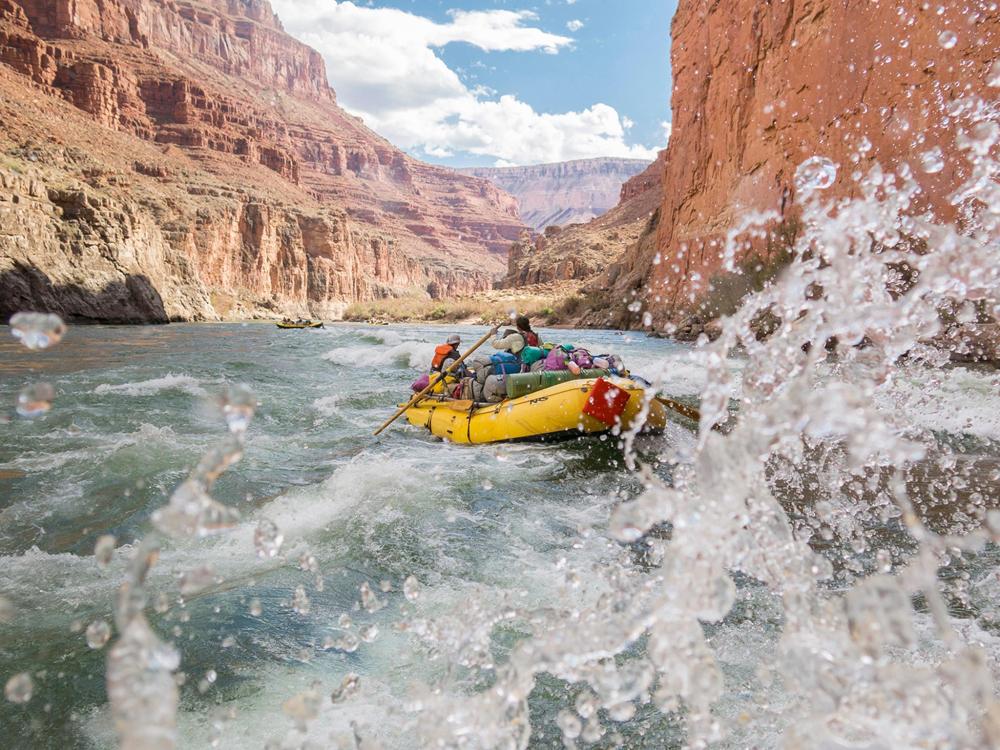
In warmer months, the Colorado River offers whitewater rafting and guided float trips, from relaxed scenic rides to more adventurous whitewater sections.
Evening
Plan to arrive in Glenwood Springs by late afternoon or early evening to enjoy the hot springs before sunset. Options include the historic Glenwood Hot Springs Pool or the more modern Iron Mountain Hot Springs, both offering a relaxing end to the day after a long drive.
Check into your hotel and enjoy dinner at casual spots like Glenwood Canyon Brewpub, known for its laid-back riverside setting.
If you arrive later, consider visiting the hot springs the following morning, when the atmosphere is quieter.
Day 4: Aspen and Maroon Bells
From Glenwood Springs, drive about one hour along the scenic Roaring Fork Valley to Aspen, one of Colorado’s most mountain towns.
Morning
Head early to Maroon Bells, one of Colorado's most photographed locations. The twin peaks reflected in Maroon Lake create a postcard-ready alpine scene, particularly in the early morning light. During peak season, shuttle reservations are often required.
If you have time, take a short walk around Maroon Lake or continue onto nearby trails for different viewpoints of the surrounding peaks. For something more immersive, consider a guided Maroon Bells tour or photography excursion, especially during sunrise or fall foliage season.
Afternoon
Return to Aspen and spend the afternoon exploring the town and its surroundings. Start with a stroll through downtown, where galleries, boutiques, and cafés line the streets, giving it its signature mix of mountain charm and an upscale atmosphere.
For a scenic experience, take the Silver Queen Gondola up Aspen Mountain, where sweeping views open across the valley. At the top, enjoy short walking trails or just take in the scenery.
In summer, Aspen offers access to a wide network of hiking and biking trails, from easy walks to more challenging climbs. In winter, the town becomes a hub for skiing, with Aspen Mountain, Aspen Highlands, Buttermilk, and Snowmass forming one of the country’s most well-known ski areas.
Evening
Stay overnight in Aspen or return to Glenwood Springs, depending on your plans. For dinner, White House Tavern in Aspen offers a cozy atmosphere and American cuisine, while other restaurants in town range from relaxed spots to more refined dining.
Day 5: Vail or Breckenridge
This stretch of the drive is part of the experience, with mountain passes and changing elevations offering constant views across the Rockies.
Morning
Drive east towards Vail or Breckenridge, allowing around 2–2.5 hours depending on your route. In winter, both towns transform into major ski destinations, offering some of the best terrain in Colorado. Nearby Beaver Creek is another option close to Vail, known for its quaint atmosphere and family-friendly slopes.
Afternoon
Explore either town at your own pace, with pedestrian-friendly centers lined with stores, restaurants, and outdoor terraces.
In Breckenridge, the BreckConnect Gondola offers an easy way to take in mountain views, while nearby Lake Dillon provides paved paths for cycling and lakeside walks.
In summer, the surrounding mountains open up for hiking, mountain biking, and scenic gondola rides, with trails ranging from easy walks to more challenging routes.
Evening
After a full day outdoors, slow the pace and unwind. Stay overnight in either Vail or Breckenridge, which are about 40 minutes apart.
For dinner, local spots like Breckenridge Brewery offer a laid-back setting, alongside options ranging from casual to more refined dining. For something more distinctive, consider the Alpine Rose Gondola Experience, where you can dine inside a private gondola. Many hotels and lodges also feature outdoor fire pits, perfect for relaxing with a drink in the mountain air.
Day 6: Colorado Springs and Garden of the Gods
Drive south towards Colorado Springs, allowing around 2.5–3 hours. The landscape shifts from snow-capped mountains to red rock formations and open plains. As Colorado’s second-largest city, it serves as a gateway to landmarks like Garden of the Gods and Pikes Peak.
Morning
Set out early and enjoy the changing scenery as the mountains give way to wider, sunlit landscapes.
Afternoon
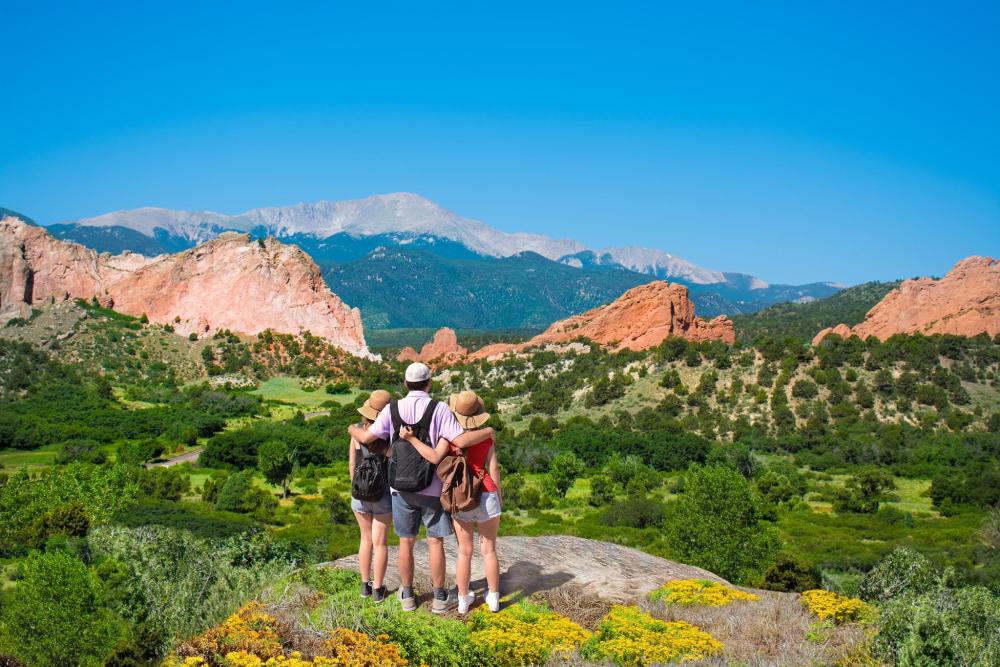
Visit Garden of the Gods, a 10,365-acre park known for its striking red rock formations and sandstone spires rising against the backdrop of Pikes Peak. Scenic drives and walking trails make it easy to explore at your own pace.
For a more active option, head to nearby Manitou Springs and tackle the Manitou Incline, a steep climb with wide views across the valley. If you prefer something more relaxed, wander through the town’s stores or sample its natural mineral springs.
Evening
Stay overnight in Colorado Springs and opt for a casual spot like King’s Chef Diner, known for its hearty portions and signature green chili, or choose from a range of restaurants depending on your mood.
Day 7: Departure and return to Denver
After a week of adventures, scenic drives, and mountain towns, keep your final day simple and unhurried.
Morning
Enjoy a relaxed breakfast or a final walk before heading back to Denver. Early mornings tend to be the quietest, offering one last chance to take in the mountain setting.
Afternoon
Drive back to Denver, allowing around 1–1.5 hours depending on traffic. If your flight schedule allows, spend some time back in the city, whether that’s exploring the RiNo Art District, known for its large-scale murals and creative spaces, or stopping by Union Station for a coffee or relaxed lunch before heading to the airport.
Evening
Arrive at the airport with enough time for car return and security. It’s a smooth close to a week that captures the essence of Colorado, from mountain peaks to open road landscapes.
Top tips for your stay in Colorado
Planning a road trip through the Rockies requires some preparation, especially when navigating mountain terrain, seasonal changes, and popular attractions. Here are some tips to make the most of your time on the road:
- Plan your driving time carefully: Distances can look short, but mountain roads and scenic stops often extend travel time
- Expect around 12–15 hours of driving time: Spread over seven days, this keeps the itinerary manageable
- Adjust to altitude: Start slow, stay hydrated and allow time to acclimatize as elevations increase
- Choose the right vehicle: A standard car works most of the year, but winter conditions make all-wheel drive a safer option
- Book ahead and plan for the season: reserve key experiences like national parks, ski resorts, and Maroon Bells, especially in peak season
3, 4, and 5-day Colorado highlights
If you’re planning a shorter trip, focus on a few standout experiences across Colorado’s Front Range and central mountains:
- Explore Rocky Mountain National Park, Estes Park, and Trail Ridge Road
- Go river tubing in summer or skiing in winter
- Visit one mountain town like Aspen, Vail, or Breckenridge
- Relax in Glenwood Springs hot springs
- Discover Garden of the Gods and Pikes Peak
Experience the best of the Rockies in 7 days
Colorado is one of the few destinations where you can move seamlessly between mountain drives, historic towns, and outdoor adventure. This seven-day Colorado itinerary captures the diversity of the Rockies, balancing dramatic scenery with time to slow down and take it all in.
By following this Denver loop, you’ll experience a wide range of landscapes, from rugged peaks to red rock formations. Whether you follow the route exactly or adapt it to your pace, it offers a rewarding way to explore Colorado, where each stop reveals another layer of the Rockies’ natural beauty.
Disclaimer: The views and opinions expressed are those of the author and don't necessarily reflect the official policy or position of our company.