

- The Eiffel Tower and panoramic views from Trocadéro
- Charming neighborhoods from Montmartre's artistic streets to Le Marais's medieval lanes
- The opulent Palace of Versailles with its Hall of Mirrors and sprawling gardens
Paris rewards those who explore deeply. While brief visits capture the highlights, a full week reveals the city's rhythm – fresh croissants, golden Seine light, and shifting neighborhoods. This seven-day Paris itinerary takes you from the Eiffel Tower to hidden courtyards, giving you time to wander, taste, and truly connect with the French capital.
Day 1: Arrival and settling in
Morning
Most travelers arrive in Paris during the morning or early afternoon, which means day one looks different from the rest of your week. Between potential jetlag, collecting your luggage, navigating transportation to your accommodation, and checking in, the first few hours can disappear quickly.
Once you've dropped your bags and have freshened up, head out for a gentle neighborhood walk. Grab a coffee and a croissant at a local café to help you adjust to the city and its character. Use this low-key morning to locate the nearest Metro station, bakery, and grocery store, as these practical discoveries will only make the rest of your week smoother.
Afternoon
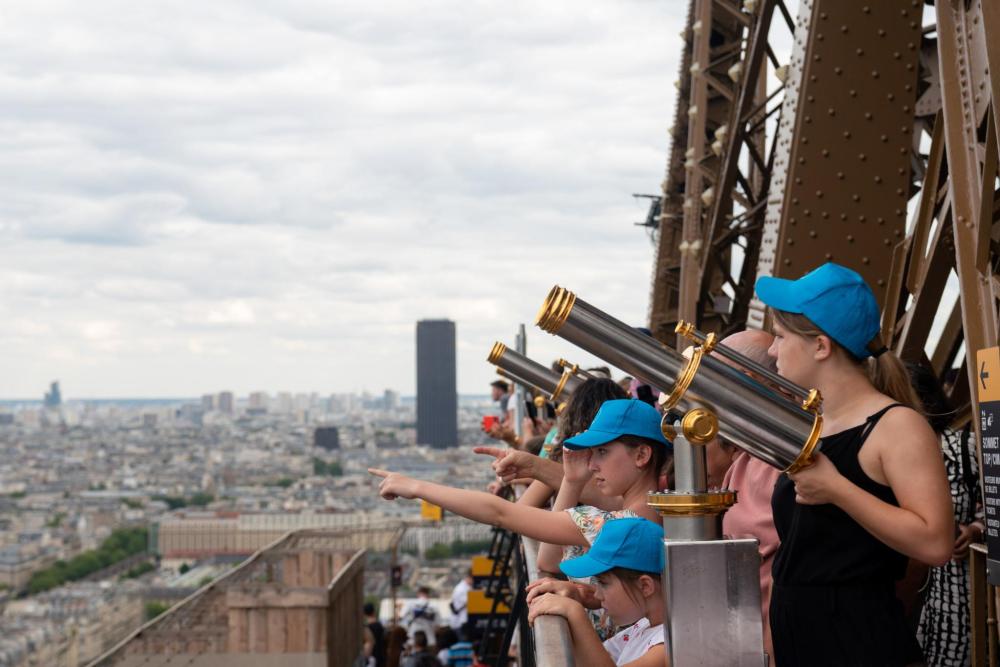
If you're feeling energetic, the Eiffel Tower is a great attraction to visit on your first afternoon – it's the sight most visitors dream of seeing first. Admire the delicate look of the iron lattice tower up close and soak up the views from the second level, which stretch across the entire city. Book your tickets online in advance to skip the wait and aim for a mid-afternoon time slot to help avoid some of the peak lines.
Alternatively, if travel fatigue has set in, save the Eiffel Tower for another day and keep things simple. A stroll through the Champ de Mars gardens offers excellent tower views without the commitment of climbing it or crossing to Trocadéro Gardens for the classic postcard perspective. Both options let you check off the iconic sight while staying flexible about how much energy you want to expend.
Evening
Keep your first evening relaxed. The Rue Cler market street in the 7th arrondissement, near the Eiffel Tower, provides a gentle introduction to Parisian food culture. The market’s small stores sell everything from cheese to charcuterie and several casual restaurants offer classic French dishes. This residential area shows you how locals shop and eat, away from the tourist traps.
Alternatively, explore the neighborhood around your accommodation – finding a bistro within walking distance of where you're staying means you can head back easily if tiredness sets in.
Day 2: Île de la Cité and the Latin Quarter
Morning
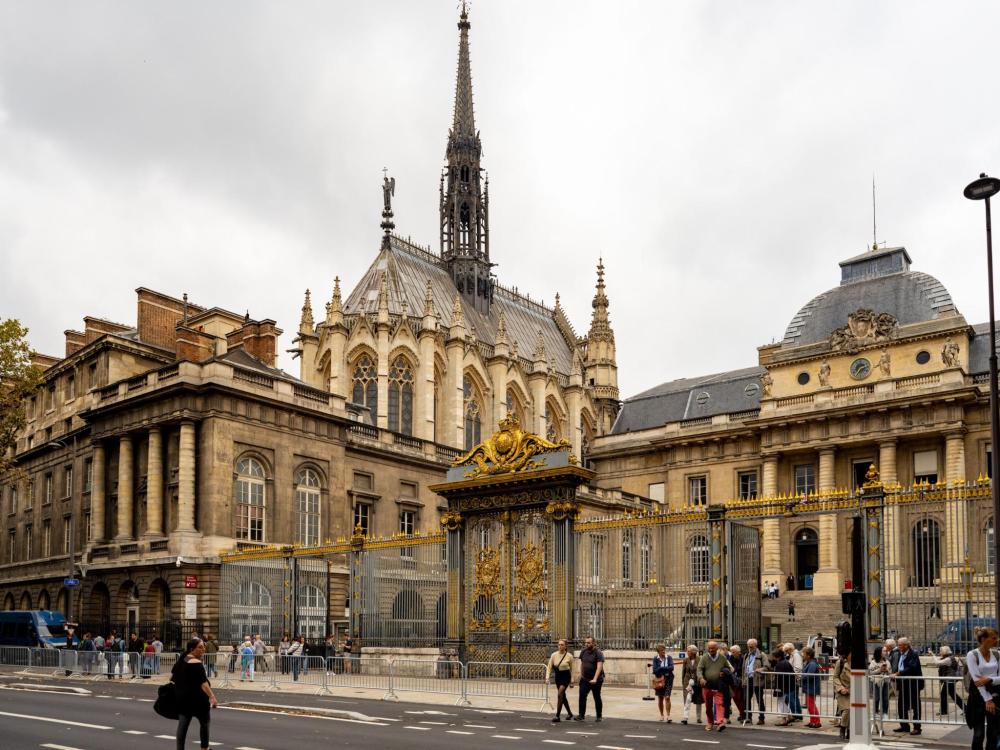
The Île de la Cité sits at Paris's geographical and historical center. Notre-Dame Cathedral is currently undergoing restoration following the 2019 fire, but since reopening to the public in 2024, you can admire its Gothic features and the surrounding square. The real jewel of the island is Sainte-Chapelle – a 13th-century chapel with stained glass windows that glow in the sunshine. Admire the extraordinary hues of blues and reds, which depict biblical scenes.
After Sainte-Chapelle, explore the narrow streets on the Île Saint-Louis, the smaller island connected by bridges. This tranquil enclave feels removed from the bustle of central Paris, with galleries, antique stores, and Berthillon, famous for its ice cream. Le Louis IX offers classic French cuisine in an intimate setting on the island, making it an excellent breakfast or lunch spot before crossing to the Left Bank.
Afternoon
Cross to the Left Bank and wander through the Latin Quarter, named after the Latin once spoken at the Sorbonne University. The neighborhood has been a student district for centuries and that youthful energy still flows through its winding streets. The Panthéon, sitting atop the hill, houses the tombs of French luminaries including Voltaire, Rousseau, and Marie Curie.
Shakespeare and Company, the legendary English-language bookstore near Notre-Dame, invites browsing. The current store isn't the original frequented by Hemingway and other Lost Generation writers, but it still carries the same bohemian spirit.
Evening
After exploring the historic heart of Paris on foot, head to Comme Chai Toi for dinner. This bistronomic restaurant sits directly opposite Notre-Dame on Quai de Montebello, offering panoramic views through its large windows. The seasonal French menu changes monthly based on fresh, local ingredients – dishes like duck breast, consommé, and escargots (snails served in edible shells) showcase creative flavor combinations.
If you'd prefer a different pace, a Seine cruise offers an alternative way to see the city at night. As the river reflects the changing light, you'll glide past monuments you've already visited while learning about the city's history. Evening cruises typically last around an hour and depart from various points along the river, including near the Eiffel Tower and Pont Neuf.
Day 3: Left Bank museums and gardens
Morning
The Musée d'Orsay occupies a converted railway station on the Left Bank and the building itself is as impressive as the art inside. The museum's collection focuses on Impressionist and Post-Impressionist works – Monet, Renoir, Van Gogh, and Cézanne all feature prominently. The former station's grand clock offers views across the Seine to the Right Bank.
Book tickets online to avoid lines and head straight to the fifth-floor galleries where the Impressionist masterpieces hang. The natural light flooding through the glass roof creates the perfect setting for the paintings.
Afternoon
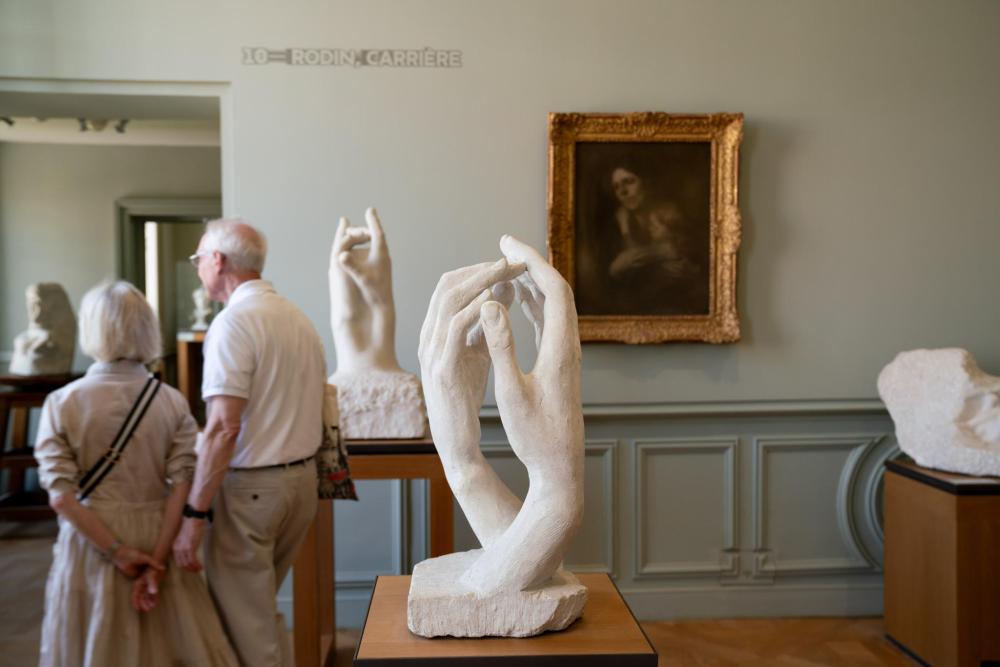
A short walk brings you to the Musée Rodin, set in a beautiful 18th-century mansion with sculpture gardens. Rodin's bronze works, including The Thinker and The Gates of Hell, are displayed both indoors and among the rose bushes and reflecting pools of the garden.
The nearby Invalides complex includes Napoleon's tomb and the Army Museum. The golden dome is visible from across the city and the collections inside trace French military history with impressive detail.
Evening
For dinner, venture slightly east to Prosper et Fortunée on Rue Broca. The intimate 12-seat restaurant has no menu. Instead, you’ll find a daily-changing seven to eight-course tasting menu based on seasonal market ingredients, all of which are prepared in front of you. Book well ahead as the limited seating fills quickly.
If you’d rather keep things flexible, the streets around Saint-Germain-des-Prés are lined with neighborhood bistros serving classic French dishes. Wander until something catches your eye – this part of the Left Bank rewards spontaneity.
Day 4: Versailles
Morning
On day four, adventure just beyond the city. Trains depart regularly from several Paris stations to Versailles, with the journey taking around 40 minutes. The Palace of Versailles represents the height of French royal grandeur – Louis XIV's vision of power rendered in gold leaf and marble.
The Hall of Mirrors, with its 357 mirrors reflecting the windows overlooking the gardens, remains breathtaking despite the crowds. The State Apartments reveal how the court lived, while the Royal Chapel showcases baroque architecture at its finest. Audio-guided tours help navigate the vast palace and explain the significance of each room.
Afternoon
The Gardens of Versailles stretch for hectares beyond the palace, designed by André Le Nôtre in the formal French style. Geometric flower beds, sculpted hedges, and ornamental fountains create a landscape of pruned nature. On weekends, from April to October, the fountains dance to baroque music – a spectacle worth timing your visit around.
The Grand Trianon and Petit Trianon, smaller palaces on the grounds, offer relief from the palace crowds. Marie Antoinette's hamlet, a rustic village she commissioned to escape from court life, provides an interesting counterpoint to the main palace's opulence.
Evening
Return to Paris in time for dinner. After a full day at Versailles, keep the evening relaxed – you've still got three days of exploring ahead. A casual meal near your accommodation lets you recharge for the second half of your week. If you have energy left, a short evening stroll through your neighborhood captures Paris's after-dark atmosphere without overextending yourself.
Day 5: Montmartre and Sacré-Cœur
Morning
Montmartre perches on a hill in the 18th arrondissement, maintaining a village-like atmosphere distinct from the rest of Paris. The funicular railway saves your legs from the climb to the top, from which, upon summit, you’ll be able to witness the white domes of Sacré-Cœur Basilica. The Romano-Byzantine architecture differs markedly from Paris's Gothic churches and the views from the steps encompass the entire city spread below.
Place du Tertre, just behind the basilica, is filled with artists painting portraits and landscapes. The square can feel touristy, but the narrow cobblestone streets radiating outward quickly lose the crowds. Rue de l'Abreuvoir and Rue Cortot wind past ivy-covered cottages and hidden gardens, remnants of when Montmartre was a separate village.
Afternoon
The Musée de Montmartre tells the story of the neighborhood's artistic heyday, when Renoir, Toulouse-Lautrec, and others lived and worked on these streets. The museum occupies one of the oldest buildings in Montmartre and its gardens offer peaceful corners for reflection.
Wander down the hill through less-traveled streets. Abbesses, the deepest Metro station in Paris, features one of only two remaining original Art Nouveau entrances designed by Hector Guimard. The neighborhood around Place des Abbesses mixes residential calm with cafés and boutiques.
Evening
For your final evening in Montmartre, explore the quieter streets around Abbesses that you passed earlier. The neighborhood around Place des Abbesses transitions beautifully in the evening, with bistros and wine bars filling with locals. Restaurants here range from traditional French to contemporary spots experimenting with seasonal menus and the area feels residential rather than touristy, despite being steps from Sacré-Cœur.
Alternatively, if you'd prefer something different after a full day on the hill, head back toward central Paris. The walk down from Montmartre takes around 20 minutes and offers a nice way to transition between the village atmosphere and the city below. You'll have plenty of dining options once you reach flatter ground, whether that's in the Marais, near your accommodation, or anywhere else that appeals.
Day 6: Champs-Élysées and Arc de Triomphe
Morning
The Champs-Élysées stretches from Place de la Concorde to the Arc de Triomphe, lined with high-end stores, cafés, and movie theaters. While the avenue itself caters largely to international shoppers, the surrounding streets reveal more interesting finds. Avenues Montaigne and George V feature haute couture boutiques, while Rue du Fauborg Saint-Honoré offers a mix of fashion houses and art galleries.
The Grand Palais and Petit Palais, facing each other across Avenue Winston Churchill, host rotating exhibitions in stunning Belle Époque buildings. Check what's showing during your visit – the venues themselves justify a stop regardless of the temporary displays.
Afternoon
The Arc de Triomphe anchors the western end of the Champs-Élysées, commissioned by Napoleon after his victory at Austerlitz. Twelve avenues radiate from the arch in a star pattern, creating one of Paris's most distinctive urban designs. Climb to the top for perspective on this layout and views stretching to La Défense in one direction and the Louvre in the other.
The Jardin des Tuileries, between Place de la Concorde and the Louvre, provides green space for resting between museums and monuments. The formal French gardens include sculptures, fountains, and octagonal ponds where children sail toy boats.
Evening
The 8th arrondissement restaurants cater to locals who love all things food, prioritizing quality and flavor. Side streets off the main avenues hide neighborhood bistros serving classic French cuisine – duck confit, beef borguignon, and tarte tatin appear on menus unchanged for decades.
Day 7: Le Marais and final explorations
Morning
Le Marais spans the 3rd and 4th arrondissements, a historic district where medieval streets meet contemporary galleries and stores. The neighborhood's architectural heritage survived Baron Haussmann's 19th-century renovations that transformed much of Paris. Place des Vosges, the oldest planned square in the city, showcases elegant symmetry under vaulted arcades.
The Musée Picasso, housed in the Hôtel Salé, holds an extensive collection of the artist's work spanning his entire career. The 17th-century mansion provides an intimate setting for viewing paintings, sculptures, and ceramics that trace Picasso's artistic evolution.
Afternoon
Le Marais's narrow streets invite wandering. The Jewish quarter along Rue des Rosiers offers falafel stores that draw lines down the block, while boutiques selling everything from vintage clothing to contemporary design fill the surrounding lanes. The neighborhood's diversity—historically Jewish and now also home to a vibrant LGBTQ+ community—creates an energy distinct from other Paris neighborhoods.
The Centre Pompidou, with its inside-out architecture of exposed pipes and ducts, houses the National Museum of Modern Art. The collections cover 20th- and 21st-century art from Matisse to contemporary installations. The rooftop terrace offers views across Paris's rooflines.
Evening
Your final evening deserves celebration. Le Marais delivers options ranging from traditional bistros to innovative restaurants pushing French cuisine forward. The neighborhood's density means you can wander until something catches your eye, whether that's a wine bar serving natural vintages or a bistro with tables spilling onto the pavement.
After dinner, a final walk along the Seine captures Paris at its most romantic. The illuminated bridges and monuments reflect in the water and the city's energy shifts from daytime bustle to evening intimacy.

Top tips for your stay in Paris
A few practical considerations will help you navigate Paris more smoothly and make the most of your week in the city:
- Purchase a Navigo Découverte weekly pass for unlimited Metro, bus and RER travel within central Paris zones. It costs around €30 for the week, plus a €5 card fee and saves time compared to buying individual tickets.
- A polite “bonjour” (hello), “merci” (thank you), and “s'il vous plaît” (please) go a long way. Many Parisians appreciate the effort, even if they switch to English afterwards. “Parlez-vous anglais?” (Do you speak English?) is also useful.
- Pickpocketing can occur in crowded tourist areas like the Metro, Eiffel Tower, and Sacré-Cœur. Keep valuables secure and stay aware of your surroundings, particularly on public transportation.
- The Paris Museum Pass covers entry to over 60 museums and monuments, including the Louvre, Musée d'Orsay, and Versailles. If you're visiting multiple museums, it saves money and lets you skip ticket lines.
Three, four, and five-day Paris itinerary highlights
Not everyone has a full week to explore the city. Whether you're planning a three, four, or five-day itinerary in Paris, you can still capture the essence of this captivating capital by focusing on core experiences. For a shorter stay, choose from any of these highlights:
- Visit the Eiffel Tower, Trocadéro, and other iconic landmarks.
- Explore île de la Cité, Sainte-Chapelle, and the Latin Quarter's historic streets.
- Discover Impressionist masterpieces at the Musée d'Orsay and stroll through Saint-Germain-des-Prés.
- Climb to Sacré-Cœur in Montmartre for panoramic views and wander its cobblestone streets.
- Wander Le Marais's medieval lanes, visit the Musée Picasso and browse local boutiques.
Make the most of your week in Paris
This seven-day Paris itinerary takes you beyond sightseeing, so you can truly experience the character that makes Paris so captivating. A week provides time to slow down between landmarks, sit in gardens, and discover the city gradually. Whether you're following this itinerary closely or using it as a framework for your own adventure, Paris rewards curiosity. It’s time to explore.
Disclaimer: The views and opinions expressed are those of the author and do not necessarily reflect the official policy or position of our company.