
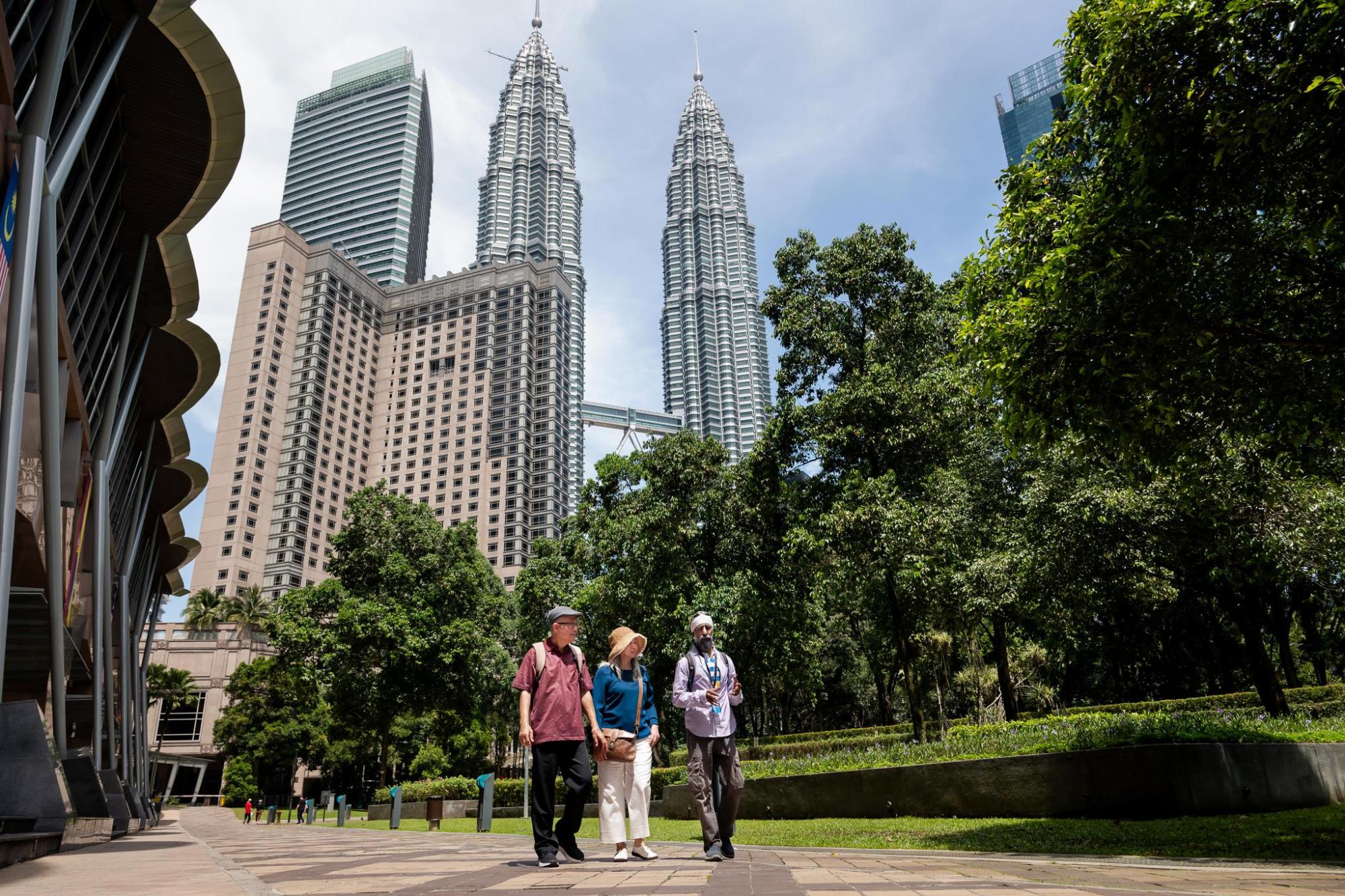
- Public trains are one of the best ways to get around KL, while taxis are another convenient option
- As a majority-Muslim country, you'll find alcohol and dishes with pork aren't as common as many other parts of Southeast Asia
- Light clothing is recommended for the humid weather, but it’s considered respectful to dress modestly at religious sites
Malaysia's capital is a fascinating destination and its neighborhoods burst with diverse cultures and cuisines. It’s a joy to explore and you'll get even more from visiting Kuala Lumpur if you know a little of what to expect from this vibrant and bustling city.
To help you plan your visit, we’ll guide you through choosing the right time to visit Kuala Lumpur, the best neighborhoods for accommodation in Kuala Lumpur, and how to get around the city.
We also have some Kuala Lumpur travel tips to help you make the most of all the rich cultural experiences.
When to visit Kuala Lumpur
Because there are distinct seasons that may affect your trip, one of the most important Kuala Lumpur travel tips to consider is when to go. You'll generally find the best weather in Kuala Lumpur is between June and August, when there's minimal rain and plenty of sunshine. Another good period is between January and February, which is relatively dry and a bit cooler.
October to December is the rainy season, and while there'll be a lot of rain, it's a great time to visit Kuala Lumpur for less crowds.
Peak vs. off-peak
For some travelers, the best time to travel is based on the crowds and not the weather. When it comes to visiting Kuala Lumpur, the dry season in the middle of the year is also the peak time, so you'll find the city full of travelers.
A good shoulder season time to visit is around March, after the busy Lunar New Year festival, when crowds thin but the weather is still good. Another pleasant time to visit Kuala Lumpur is around September when the peak mid-year season has ended but the heavy rain season hasn't yet arrived.
How long to stay in Kuala Lumpur
There are so many things to do in Kuala Lumpur, and it's easy to spend a week or more. Even after you've seen some of the main sights like Batu Caves and Petronas Towers, it can be fun to spend some extra days exploring different neighborhoods and tasting the different cuisines.
For visitors who are traveling around other parts of Malaysia and trying to maximize their time, three or four days is a good length of time to stay in Kuala Lumpur. That gives you long enough to see all of the main sights and do a bit of exploration without feeling too rushed.
Generally, one or two days isn't enough time to cover all the highlights of Kuala Lumpur, although good transportation around the city does make it easier to visit some of the most important sights on a shorter trip.

How to get around Kuala Lumpur
There are a few different ways to get around Kuala Lumpur, each with their own benefits.
Rail
One of the most popular ways to travel within Kuala Lumpur is with the public rail system, which consists of more than 125 miles of track over several different types of transportation.
Within the city center and surrounds, there are three lines of Light Rapid Transit (LRT), two lines of Mass Rapid Transit (MRT), and the KL Monorail. Together, the system is known as RapidKL.
You can buy a ticket for a single trip at any station. But if you're planning to use the rail network multiple times, it may be easier to get a prepaid Touch 'n Go (TnG) card to tap at the gates each time you ride.
There is also a separate system called the KTM Komuter to suburban areas outside the city center that's useful for reaching the popular traveler destination of Batu Caves.
Buses
The RapidKL system also includes buses around the city called RapidKL Buses, with about 100 standard routes.
To pay for a bus trip, you can either give the driver the correct change or tap a prepaid Touch 'n Go (TnG) card as you get on and off.
Although the buses can be useful to reach areas that the rail network doesn't cover, the schedule is often a bit unreliable and stops are not always well signposted.
GoKL City Bus
Another useful bus system is the GoKL City Bus, which was established by the local authorities to connect popular destinations.
Although it was originally free, it's now been expanded to 15 different routes aimed more at residents, so travelers now need to pay a small charge of RM1 per trip by tapping on with a card.
Taxis
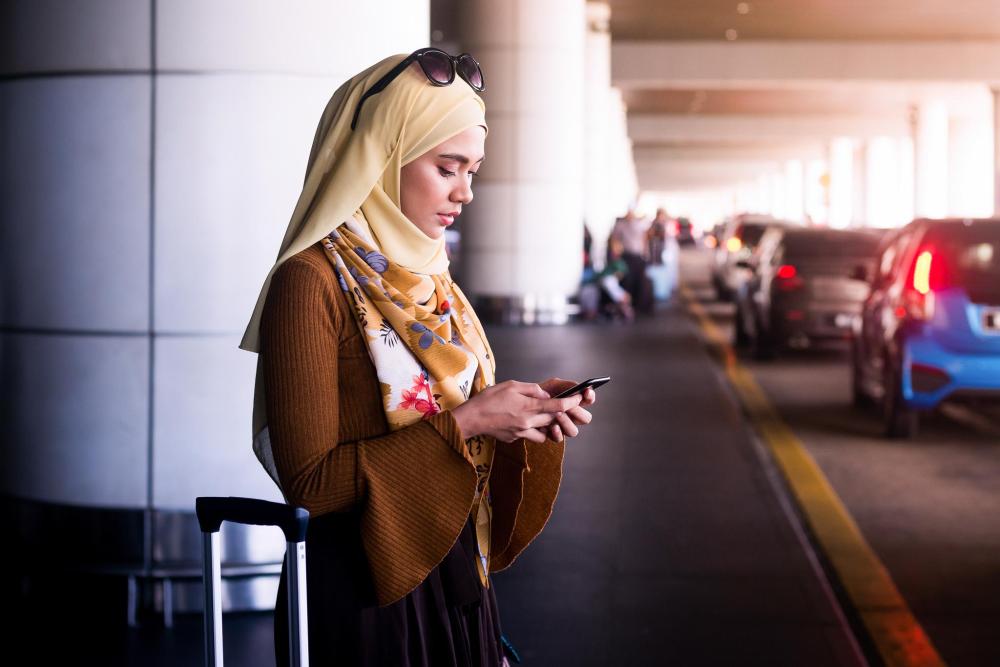
All taxis in Kuala Lumpur are metered, and there are usually lots of them on the street that you can hail by waving. They're a convenient way to get around the city, but take note that different colored taxis mean different levels of service. Red or yellow cars are budget taxis with a slightly cheaper meter, while blue taxis are more comfortable with a higher meter rate.
An alternative option in Kuala Lumpur is a rideshare. Once you have the app set up on your phone, you'll be able to order a rideshare from anywhere in the city and pay the appropriate fare automatically.
Rental car
If you want to rent a car in Kuala Lumpur, you can do that in the city or at the airport when you arrive.
Using a rental car to travel around the city may be a convenient option for travelers with children or accessibility issues, or if you're staying in a residential area with limited transportation options. It also offers more flexibility and can make day trips out of the city easier.
Where to stay during your trip to Kuala Lumpur
The city's energetic neighborhoods offer a range of interesting places to stay in Kuala Lumpur, each with their own distinct atmosphere.
- If it's your first time in Kuala Lumpur, Bukit Bintang has lots of restaurants and other amenities
- In the area around the Petronas Towers, KLCC has lots of good high-end accommodation.
- Chinatown is a fun district for street food and more affordable hotels.
Regardless of where you choose to stay in Kuala Lumpur, the inner-city areas are all well connected by public transportation or a short drive by car.
Essential things to know about Kuala Lumpur
Kuala Lumpur’s dynamic culture is one of its most exciting attributes and knowing what to expect in the city will go a long way to help you make the most of your time.
Modest culture
Kuala Lumpur is a cosmopolitan city with residents who have come from across the world. But it's important to remember that Malaysia is a majority Muslim country. That means KL is more conservative than many other large cities in Southeast Asia.
You should try to limit public displays of affection, like kissing, as that can cause offence. When meeting locals, be mindful of physical contact and wait to see if the other person offers a handshake first.
It can be disrespectful to touch someone on the head, so try to avoid doing that, even with children. It can also be considered rude to take someone's photo without first asking permission.
Respect local rules around clothing
It’s a good idea to dress modestly when you're visiting Kuala Lumpur, even in areas that are popular with travelers. On the street, summer clothing like shorts and t-shirts should be fine, but you should dress more formally for any official buildings like government offices.
If you visit any religious sites like temples, mosques, or churches, it's important to dress respectfully. That includes men and women covering their shoulders and knees. Some sites offer robes if you don’t meet the clothing requirement.
Shoe etiquette
Like in many Asian countries, Malaysians will often take off their shoes before going inside. As a visitor, you may not know exactly when that's expected of you, so it's better to ask rather than assume. If there's a pile of shoes at a door, that's usually a good sign you should also take off yours.
It's normally always expected that you'll remove your shoes before going into someone's home. You'll also normally need to take them off when entering mosques and temples.
Mix of cultures and languages
During your visit to Kuala Lumpur, you’ll notice it's a very multicultural city. The official national language is Bahasa Malaysia, but you're also likely to hear languages like Mandarin, Cantonese, and Tamil. Of course, English is also widely spoken in Kuala Lumpur.
One of the best ways to experience Kuala Lumpur is to spend time in its diverse neighborhoods. Head to Chinatown for bustling markets, Brickfields for tasty Indian food, and Kampung Baru for a traditional Malay village.
Being quiet during the Adhan
As a majority Muslim country, an important part of daily life in Malaysia is the Islamic call to prayer, known as the Adhan. It takes place five times a day and is often broadcast over loudspeakers from the city's mosques.
When you hear it, you don't necessarily need to stop everything you're doing, but it's considered polite to stop talking and turn off any music or other noise. This is particularly important if you're close to a mosque or in a local neighborhood.
Food and drink customs
Many Kuala Lumpur residents eat "Halal" meals, and this has influenced much of the food you'll find across the city. While there are lots of restaurants that serve non-halal food, pork is much less common in Malaysia than in other countries.
Alcohol is also not as common, and you'll often find that it's not served at restaurants or food markets. It's possible to get alcohol at stores, bars, and some restaurants, but it's taxed quite heavily and isn't as cheap as other parts of Southeast Asia.
Tipping is generally not expected, especially not at hawker centers or street food stalls, but you may find that more upmarket restaurants include a 10% service charge.
Don’t drink tap water
Although the city's water is treated, it’s not advisable to drink tap water anywhere in Kuala Lumpur.
It's normally fine to drink water that you've boiled, so you can use it to make a cup of tea, for instance. But to be on the safe side, you should always drink from bottles or filtered water.
How to stay safe
For the most part, Kuala Lumpur is a safe city. It has a very low crime rate but it's always wise to be careful wherever you travel. So, make sure your wallet or money is kept securely on your person.
Watch where you walk
One thing to look out for in Kuala Lumpur is from the city's footpaths. In some areas, the footpaths can have potholes, so make sure to keep an eye on where you're walking to spot any missing paving stones, exposed tree roots, or uncovered drains.
Things to pack
The humidity in Kuala Lumpur calls for lightweight clothes, so consider packing fabrics like linen and cotton if you're going to be outside. There can often be sudden tropical rain, so carrying an umbrella or raincoat is a good idea. Mosquito repellent is also worth having with you. If you're planning to visit religious sites, a small scarf or sarong to cover your shoulders or knees can be useful.
But the good news is that Kuala Lumpur is one of Asia’s biggest shopping hubs with dozens of dazzling malls, so you’ll have no problem buying anything you’ve forgotten to bring.
Top things to do when visiting Kuala Lumpur
There are lots of things to do in Kuala Lumpur that celebrate its diverse cuisines and cultures. To explore the breadth of the city, this seven-day Kuala Lumpur itinerary covers all the main sights. But for a shorter visit, these are the highlights you may like to focus on:
- Petronas Towers: You'll get amazing views from the observation decks up these twin towers in the center of the city.
- Batu Caves: On the outskirts of KL, these natural caves are now a spiritual site with a series of temples within them.
- Jalan Alor Food Street: A busy food market in Bukit Bintang with dozens of restaurants selling seafood and traditional dishes like laksa and nasi lemak.

Kuala Lumpur travel tips: Hidden gems
If you have longer to explore or are looking for some local gems, you may want to consider some of these attractions:
- Federal Territory Mosque: More modern than the city's National Mosque, it's a blend of Malay and Ottoman styles inspired by Istanbul's Blue Mosque.
- Kampung Baru: A small neighborhood in the city center that's been protected from development, it has traditional wooden houses among coconut trees and lots of places for a local meal.
- Forest Research Institute of Malaysia: This large tract of rainforest has hikes past waterfalls and a 100-foot-high canopy skywalk.

An easy city full of culture
As you can see, Kuala Lumpur offers a rich urban adventure teeming with cultural experiences. Once you get the hang of things like the public transportation system, local customs ,and food culture, you’ll find your time in the city even more rewarding, opening up heritage neighborhoods, soaring towers, local markets, and rooftop bars.
Disclaimer: The views and opinions expressed are those of the author and don't necessarily reflect the official policy or position of our company.