

- Head up Petronas Towers or KL Tower for incredible views across the city
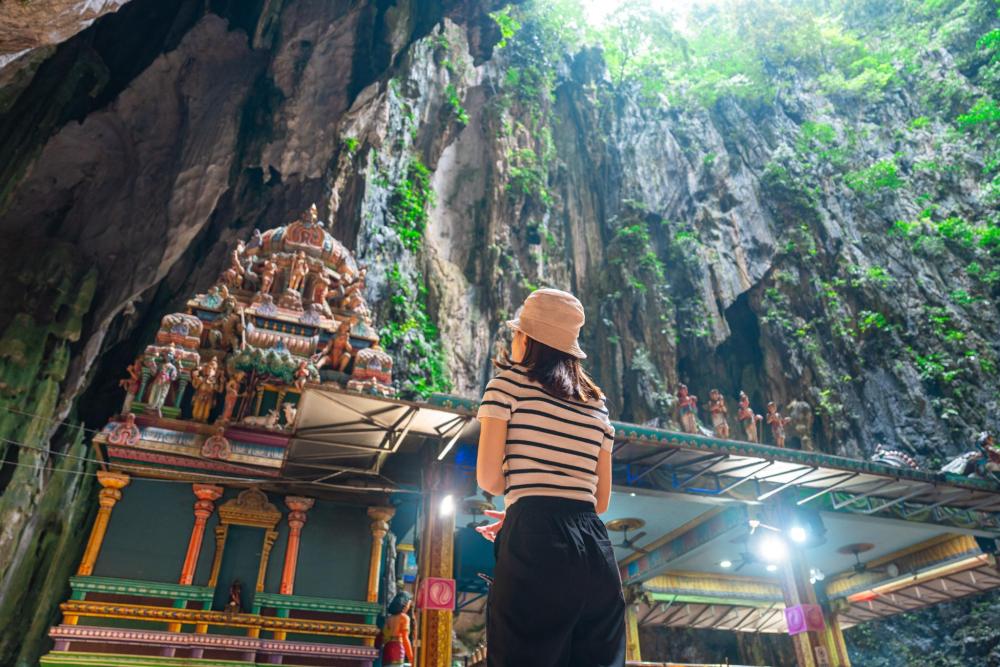
- See the temples built within natural rock formations at Batu Caves
- Eat a mix of Malay, Chinese, and Indian dishes at the Jalan Alor Food Street
Malaysia's biggest city, Kuala Lumpur, is a melting pot of cultures, full of lively districts with temples, shopping arcades, and food streets. It's easy to spend a week exploring the different neighborhoods, seeing the sights, and doing a couple of day trips to surrounding destinations.
In this seven-day Kuala Lumpur itinerary, you'll cover all the best things to do in the city, including some authentic local areas where you can also take your time with the ultimate KL activity – enjoying the delicious food scene.
Day 1: Merdeka Square and Chinatown
Morning
For the first day of this Kuala Lumpur itinerary, let's focus on some central sights so you can get your bearings. Starting in Merdeka Square, a historic gathering place where Malaysia declared independence in 1957, you’ll see a 312-foot-high flagpole at one end, while around the rest of the square are heritage structures like the domed Sultan Abdul Samad Building.
Also visit the nearby St Mary's Cathedral, built in 1895, and one of KL's most important mosques, Masjid Jamek. The National Textile Museum is also here and is worth a look if you’re interested in batiks and jewelry.
Afternoon
A few hundred yards from Merdeka Square is Central Market, an Art Deco building now housing local artisans and restaurants. For lunch, you can try some of the local Nyonya cuisine at Precious Old China or just grab a sweet snack like putu bambu (a rice flour cake filled with palm sugar).
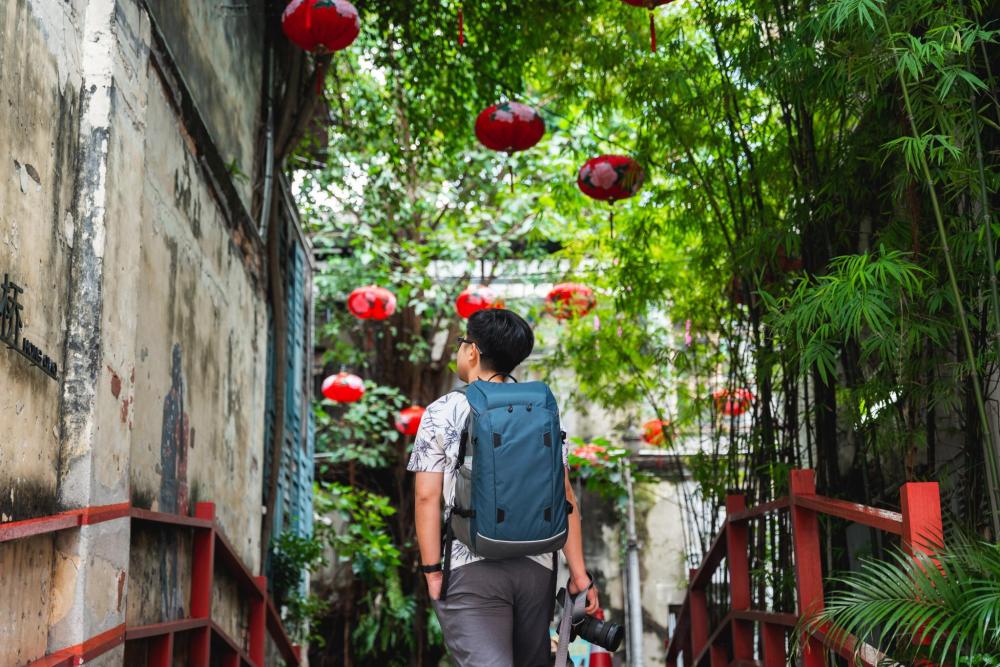
From here, head into Kuala Lumpur's bustling Chinatown, with lots to see including the colorful Sri Mahamariamman Temple adorned with Hindu sculptures and the Guan Di Temple built by Taoists in 1887. Wander the streets to find heritage buildings, artworks, and food vendors.
Evening
Stay in Chinatown for an early dinner on Petaling Street. One of Kuala Lumpur's iconic strips, the historic storehouses are often hard to see behind the rows of street stalls serving classics like hokkien mee noodles and claypot chicken rice. Don't forget to also try some apam balik (peanut pancake) for dessert.
Day 2: Batu Caves, KL Tower, and local cuisine
Morning
On your second day in the city, jump in a car or the KTM Komuter train for the 30-minute trip to one of Kuala Lumpur’s most famous sights, Batu Caves. It’s also one of the city’s most spiritual places, with natural limestone caverns transformed into Hindu temples and incense hanging in the air among sculptures and shrines. The climb to the temples, up a colorful staircase of almost 300 steps filled with cheeky monkeys, is part of the experience.
Afternoon
This afternoon, you can get some beautiful views of the city by heading up KL Tower (no climbing required this time). The observation deck is 906 feet above the ground. A bit higher up, you can even sit in a glass box that hangs off the side of the tower.
Near the base of the tower is an entrance to the KL Forest Eco Park, a slice of rainforest in the city center, with bridges and canopy walks leading through the lush greenery filled with monkeys. It used to be free but now has paid entry.
Evening
For dinner this evening, head to Jalan Alor Food Street in Bukit Bintang (it's walkable from KL Tower, if you want to head straight there). One of the best food markets in Kuala Lumpur, there are dozens of restaurants and stalls serving fresh seafood and local favorites like laksa and nasi kandar. Be sure to also look out for some of Bukit Bintang's street art while you're here.

Day 3: Botanical Gardens, National Mosque, and a food tour
Morning
Spend this morning at the enormous Perdana Botanical Gardens, right in the heart of the city. Founded in 1888, they’ve evolved over the years into a collection of fascinating sights. Explore the orchid and hibiscus gardens, venture into the Bird Park or Butterfly Park, stroll around the ASEAN sculpture garden, and may take the kids into the planetarium. Bloma Maison is a great cafe if you want a break.
Afternoon
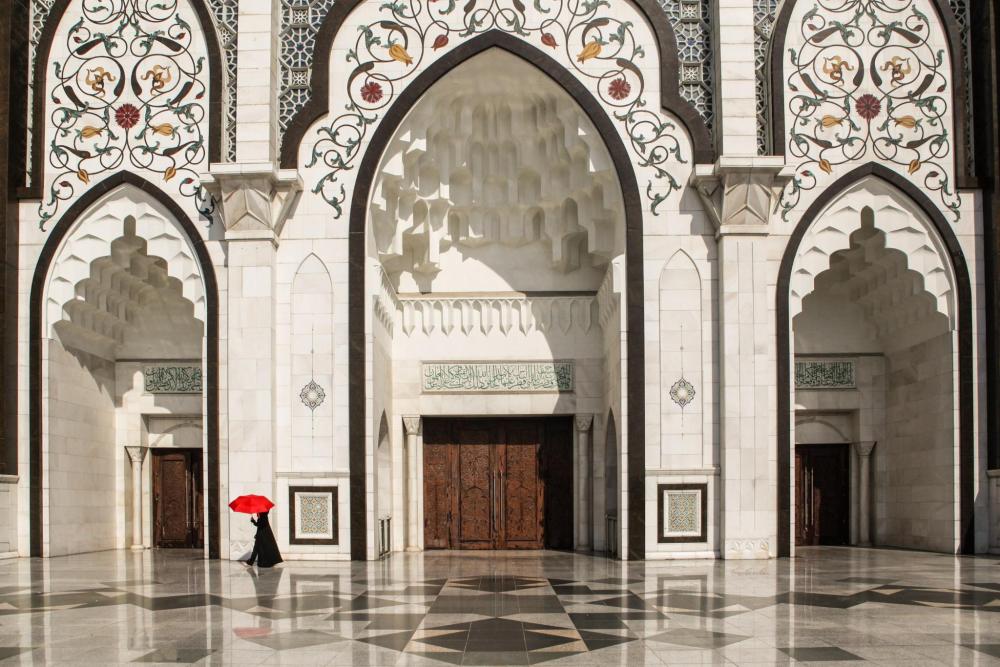
On the edge of the botanical gardens, you'll find the National Mosque of Malaysia, which tourists can visit outside prayer times. With capacity for 15,000 people, it's an architectural marvel with an umbrella-style roof and reflecting pools throughout the site.
Next door is the Islamic Arts Museum, which has a collection of more than 10,000 artifacts including jewelry, armor, coins, and manuscripts. And just across the road, the National Museum of Malaysia has interesting exhibitions about the history of the country.
Evening
One of the highlights of visiting Kuala Lumpur is the variety of the local cuisine. To make the most of your time here, join a food tour this evening to learn about the city's diverse range of dishes. With an expert guide, you'll taste highlights like chicken rendang, satay skewers, and grilled mackerel. The tips you'll pick up will also be useful for other meals over the rest of your KL itinerary.
Day 4: Petronas Towers and a local neighborhood
Morning
An icon of Kuala Lumpur, the Petronas Towers consists of two 1,483-foot-high buildings connected by a walkway halfway up. After seeing them from the ground, buy a ticket to go up the towers, first stopping at the Skybridge on level 41 before continuing up to the main observation deck on the 86th floor.
Back down on the ground, spend the rest of the morning in KLCC Park at the foot of the towers, where there's a lake with a musical fountain show, walking paths, and playgrounds. Or maybe browse the six-story shopping mall at the base of the towers or visit Aquaria KLCC, which has more than 250 species of animals.
Afternoon
Less than ten minutes' walk from Petronas Towers, across the Klang River, is the charming neighborhood of Kampung Baru. Even though it's in the center of the city, modern development isn't allowed, so you'll find traditional wooden houses, coconut trees, and even chickens wandering the streets. Along with seeing the sights, stop for a fresh coconut water, a hot drink at a kopitiam (coffee shop), or a meal at a local restaurant like Wanjo, which has been operating since the 1960s.
Evening
The Saloma Link Bridge, which connects Petronas Towers and Kampung Baru, is lit up at night with a colorful dynamic LED display. Once the sun sets, you can watch some of the light show before taking in the nighttime view of the towers. Then, relax with a drink at a nearby cocktail bar, such as the poolside WET Deck, upmarket Marini's on 57, or speakeasy-style Frank's Bar.
Day 5: A rainforest walk and Brickfields
Morning
4Malaysia has six World Heritage Sites and only one of them is in Kuala Lumpur. Known as the Forest Research Institute of Malaysia (FRIM), it's a large tract of rainforest replanted over the past century on land destroyed by farming and mining. This morning, take the 30-minute car trip out to the historic public park to hike among streams and waterfalls and along the 98-foot-high canopy skywalk. You could consider a guided tour, which is a good way to learn about the scientific work taking place here.
Afternoon
Back in the city, spend the afternoon in Brickfields, a neighborhood known as Little India that's full of stores selling colorful clothing, jewelry, spices, and marigold offerings. Walk through arcades, browse the markets, and taste some of the cuisine at the restaurants and street food stalls. The best-known Indian dish here is roti canai, a flatbread served with a range of curries.
Aside from the Indian heritage, it's worth visiting the six-tiered Thean Hou Temple, decorated with grand carvings and imposing pillars, making it one of the largest Taoist temples in Southeast Asia. With other Buddhist temples, Hindu temples, and Christian churches, Brickfields is a good representation of Kuala Lumpur's multiculturalism.
Evening
There's enough in Brickfields to stay in the neighborhood for the evening. Many of the restaurants and shopping areas get even livelier after dark, so it's a fun place for dinner and a bit more shopping. Popular restaurant MTR 1924 is known for its idli and uddin vada. Or try another of the local mamaks (casual restaurants) for their thosai served on banana leaf.
Day 6: Exploring the architecture of Putrajaya
Morning
Kuala Lumpur may be the official capital of Malaysia but Putrajaya, created in the late 1990s, is where the federal government and judiciary are based. The city is easily reached in about 20 minutes on the KLIA Transit train, making it a convenient excursion.
The modern architecture is the highlight of Putrajaya, so start at Putra Mosque, a large building of rose-tinted granite. From here, stroll to the Moroccan Pavilion featuring Moorish architecture made from North African materials. It's at the entrance to the Putrajaya Botanical Garden, which has exhibits about local plants.
There's also the Iron Mosque, a huge steel structure that can hold 25,000 worshippers; the Perbadanan Putrajaya Complex, with a ten-story metal archway; and the Palace of Justice, based on the design of the Taj Mahal.
Afternoon
Although you can spend a whole leisurely day in Putrajaya, it's also possible to come back into the city for the afternoon. On the way back, you could visit Sunway Pyramid, an enormous Egyptian-themed shopping mall that even has an ice skating rink. It's next to the Sunway Lagoon, an expansive theme park with rides, water slides, and pools that's lots of fun for families.
Evening
There's always more food to discover in Kuala Lumpur, so this evening use what you learned on your earlier food tour at one of the city's other night markets. One of the busiest spots is around Chow Kit station. On a Saturday, you could also explore the stalls at the bustling Jalan Tunku Abdul Rahman market. Across the city, smaller pasar malams (nighttime street markets) offer even more insights into local life.
Day 7: Some final sights, shopping, and eating
Morning
For the final day of this Kuala Lumpur itinerary, head into the northern suburbs to see the Federal Territory Mosque. Opened in 2000, it’s considered one of the most beautiful sights in the city, with a blend of Malay and Ottoman styles influenced by Istanbul's Blue Mosque. Nearby, you could also stop at Istana Negara, the home of Malaysia's monarch. It isn't open to the public, but you can see the opulent palace from the outside.
You'll also find Malaysia's National Art Gallery in the city's north, and it's another nice way to spend the morning. With styles ranging from prints and drawings to sculptures and tapestries, its large and diverse collection shows the evolution of art across Malaysia and Southeast Asia.
Afternoon
Kuala Lumpur is full of opportunities for shopping, so this afternoon may also be a convenient time to get all those souvenirs. Head to the "Golden Triangle," a glittering commercial district full of malls and neon billboards. Pavilion Kuala Lumpur has more upscale stores, the Exchange TRX has a modern style, and Berjaya Times Square is a huge complex with budget stores and an indoor theme park.
Evening
Most malls in Kuala Lumpur will also have large food courts or restaurants, so you can combine your shopping spree with an early dinner. However, for a special end to the trip, there are seven Michelin-starred restaurants in KL. Akar and Terra Dining blend Malaysian techniques with European dishes, while Beta creates a theatrical atmosphere around its tasting menu.
Three, four, and five-day Kuala Lumpur itinerary highlights
If you're staying for less than a week and want to know what to do for a two-day or three-day Kuala Lumpur itinerary, for example, these are the city's key attractions:
- Petronas Towers: An icon of Kuala Lumpur, you can go up these twin towers for incredible views.
- Batu Caves: These natural caves transformed into a series of temples are an easy half-day trip from central KL.
- Brickfields: The district known as Little India is full of vibrant stores and restaurants, as well as the enormous Thean Hou Temple.
- National Mosque of Malaysia and Islamic Arts Museum: Learn about KL's Muslim culture at this large mosque and nearby museum.
- Food streets: Spend the evening trying different dishes at Petaling Street in Chinatown or Jalan Alor in Bukit Bintang.
Top tips for your stay in Kuala Lumpur
To help make the most of your time in the city, there are a few useful tips for visiting Kuala Lumpur that may help.
- The public rail system is a convenient way to get around Kuala Lumpur because it avoids any traffic during peak hour. A prepaid Touch 'n Go (TnG) card allows you to tap on and off for all rides.
- The taxis in KL have different colors to mean different levels of service. Red or yellow cars are budget taxis, while blue cars are more comfortable and more expensive.
- As a predominantly Muslim country, very few local dishes contain pork. Alcohol is less common than many other Southeast Asian countries but you can still buy it at bars, stores, and some restaurants.
- When planning your Kuala Lumpur itinerary, keep in mind that the city's mosques aren't open to visitors during prayers on Fridays.
- Although the weather is often very humid in the city and you may want to wear light clothing, it's respectful to dress modestly, including covering shoulders and knees at religious sites.
Making the most of a multicultural city
So, as you can see, one of the great things about Kuala Lumpur is the way so many of Malaysia's various cultural groups contribute to a fun and vibrant city. However you choose to explore Kuala Lumpur, one bit of advice is to spend time in these different neighborhoods, perhaps seeing museums about the Malay people, visiting temples in Chinatown, and eating roti canai in Little India.
Disclaimer: The views and opinions expressed are those of the author and don't necessarily reflect the official policy or position of our company.