
- Explore the city's tranquil temples, including the picturesque Kiyomizu-dera
- Walk through bamboo groves or hike between villages in the mountain
- Discover the geisha district and dine at a Michelin-starred restaurant
Kyoto was Japan's capital for over a thousand years and the legacy of that millennium of heritage can be seen all throughout the city. Some of the best things to see in Kyoto are its stunning temples and historical sites, many of which are in picturesque landscapes.
But the city is also surrounded by nature, and a seven-day Kyoto itinerary gives you time to explore some of that. Combined with a sophisticated dining scene, authentic cultural activities and charming neighborhoods, it's easy to fill a week in Kyoto.
Day 1: Castle, temple, and Gion geisha district
Morning
Across the city, 17 different sights make up a World Heritage Site called "Historic Monuments of Ancient Kyoto." To ease into this Kyoto itinerary, start this morning at one of the most important ones, Nijo Castle. Built in the early 1600s, it was designed for defense and as an imperial residence. The large complex with two moats, palace buildings, and gardens can take a couple of hours to visit.
If you have time for more exploration, the last site of the Imperial Palace is about half a mile away. There's no entry into the buildings, but the large park around the residence is accessible. Or the Kyoto International Manga Museum is also nearby, with permanent and temporary exhibitions and a reading room.
Afternoon
Take a break at Kasagiya teahouse for a cup of matcha and a sweet delicacy like shaved ice or red bean mochi. Then it's a short walk up the hill to one of Kyoto's most scenic temples, Kiyomizu-dera. Set on a hill and surrounded by trees, a wooden stage jutting out from the main hall offers gorgeous views.
Even though it's a place of worship, there's a festival atmosphere with vendors selling talismans and incense. It'll get crowded in late afternoon but the sunset view is worth it.
Evening
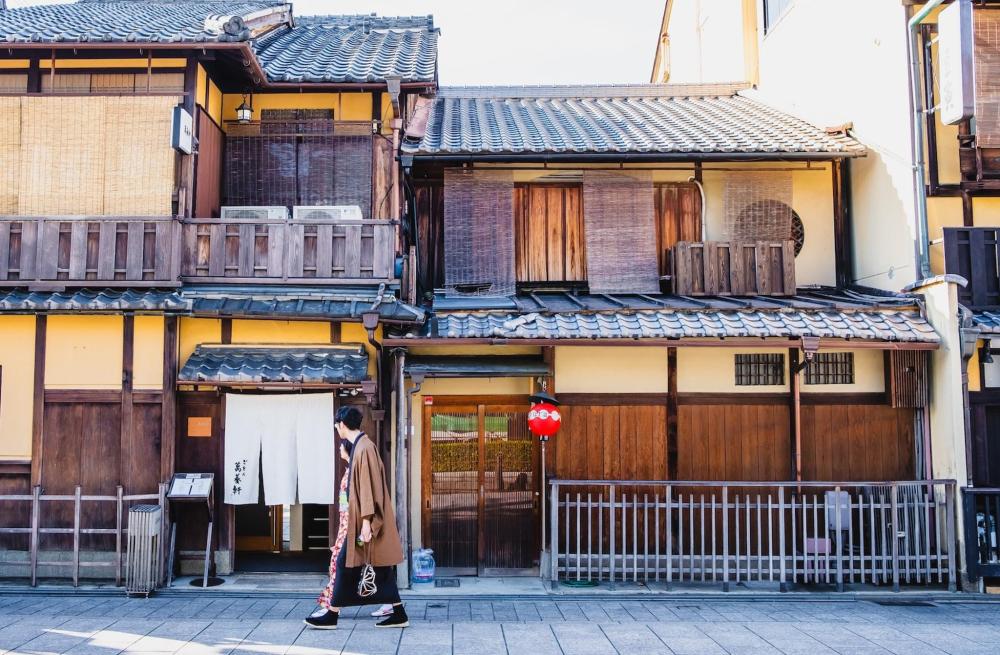
Walking back into the suburbs of Kyoto, you'll reach Gion in about 15 minutes. Known as Kyoto's geisha district, Gion is filled with traditional wooden homes and teahouses, with entertainers walking the paved streets between shows.
Dining here is more expensive than a standard restaurant, but many meals are accompanied by a geisha show. The neighborhood itself is an experience, with entertainers in traditional costume walking the lamp-lit alleys. Head to Gion Yorozuya for casual noodles or Gion Maruyama for a multi-course kaiseki meal.
Day 2: Bamboo grove, temples, and izakayas
Morning
About six miles from the city center, where the suburbs meet the mountains, a district called Arashiyama is full of scenic experiences. A highlight is strolling the paths through the dense bamboo groves, but they get busy so it's a good idea to arrive early.
From there, head to some of the temples (Tenryu-ji is the main one), the art museum, the historic Okochi-Sanso Villa, and maybe even take a boat ride on the river. For lunch, try the traditional Zen meal (called shojin ryori) at Tenryu-ji temple or a traditional meal in Ayuchaya Hiranoya's old teahouse building.
Afternoon
On the way back to central Kyoto, spend the afternoon visiting three World Heritage-listed temples located relatively close to each other.
Start with Ninna-ji, a quiet site that has a residence styled after an imperial palace and a grove of cherry trees. Then move on to Ryoan-ji, famous for a Zen rock garden that looks quite simple but is filled with hidden meanings. Finally, finish at Kinkaku-ji, known as the Golden Pavilion because the top two floors of the main lakeside building are covered in gold leaf.
Evening
You'll find izakayas (bars with snacks) all across Japan, but Kyoto's tend to have a different style. Rather than an after-work stress relief, they're often more refined, with a focus on local and higher-quality food. To experience some of the best ones, join an izakaya tour so a local guide can show you around and explain some of the customs.

Day 3: Cycling, craft workshop, and local dinner
Morning
To see a different side of Kyoto, start the day with a leisurely bicycle ride along the Kamo River. One option is to join a cycling tour, but there are also rental stores so you can head out independently. You'll find miles of dedicated riverside bike paths tracing this scenic corridor with views of the surrounding mountains. Stop at the Turtle Stepping Stones to hop across the water and the Shinto shrine of Kamigamo, while in spring, you'll be surrounded by cherry blossoms.
Afternoon
Kyoto is renowned for its cultural heritage and a wonderful way to learn more about some of the local traditions is from an expert. There are lots of options to choose from in Kyoto, including creating your souvenir at a chopstick-making class or a traditional tea ceremony. You can make lunch yourself at a sushi workshop or a ramen and gyoza cooking class, or dress up for a samurai sword experience.
Evening
One of the most atmospheric streets in Kyoto is Pontocho Alley, a narrow strip just one block from the Kawo River. The alley is lined on both sides with restaurants offering a wide range of dishes, including affordable snack food like yakitori (grilled meat or vegetable skewers) and fine-dining Japanese menus at restaurants like Ryori Ryokan Tsuruse.
Not all of Pontocho Alley is open at lunch, so coming for dinner is a better option. Some of the restaurants, like the famed Izumoya, set up temporary platforms over the river for diners in summer, a centuries old tradition.
Day 4: Walk between temples, art, and fine-dining
Morning
Today begins at Ginkaku-ji, a delightful temple built in the 15th century that was also a retirement villa for the shogun. It still has a relaxing atmosphere, with a homely pavilion, moss garden, and dry sand garden.
From here, a great way to explore is on the Philosopher's Path, walking trail along a canal lined with cherry trees that's just over a mile long. There are cafes and smaller temples on the way, but the main attraction is Nanzen-ji, at the other end of the trail.
Nanzen-ji is one of the most important Zen temples in Japan and there's lots to discover here. As well as the main temple buildings, make sure to see the subtemples, large wooden gates, brick aqueduct, and the famous rock garden.
Afternoon
As well as their blockbuster exhibitions in Tokyo, the prominent art collective teamLab also now has an installation here in Kyoto. Called Biovortex, it consists of more than 50 artworks using lights, projections, and screens to create scenes that feel like a blend of magic and nature. Spread over four floors, it's a large maze-like space that can take hours to explore.
Evening
Kyoto is a gastronomical delight and the city has almost 100 restaurants awarded Michelin stars. Many serve Japanese cuisine, including the traditional kaiseki multi-course menus, and dinner at one of them is a special experience. There are lots to choose from just north of the teamLab exhibition, including the contemporary Kinobu or the seasonally focused Ogata.
Day 5: Local market, mountain hike, and onsen soak
Morning
Put on your walking shoes because today's Kyoto itinerary heads up into the mountains. But first, stop in at Nishiki Market, a long five-block arcade focusing on fresh and cooked food. There are dozens of small stalls where you can taste local specialties like yudofu and yuba tofu products and grilled eel, often cooked right in front of you.
While you're here, stock up on some snacks for the afternoon hike, then catch the train up to the mountain village of Kibune, where a row of local restaurants serve hearty traditional lunches. You'll start walking from here after you've eaten.
Afternoon
The mountains surrounding Kyoto offer some incredible natural escapes from the city. A fantastic way to see the scenery is the relatively easy hike from Kibune to Kurama. The two villages are about two and a half miles walk apart, and both have train stations.
As well as being amongst the beautiful forest that changes color throughout the year, you'll find waterfalls, shrines, and spiritual monuments. A highlight is the Kurama-dera Mountain Temple, founded in the 8th century. There are some uphill sections but the trail is well-paved the whole way. There are even benches to rest.
Evening
After the hike, soothe your muscles at Kurama Onsen, one of the best hot springs in the Kyoto area. There are several indoor baths but the most picturesque option is the outdoor baths that have views of the forest and mountains. This traditional onsen, where you'll need to be naked, is an excellent way to have an authentic Japanese experience.

Day 6: Day trip to Osaka
Morning
Kyoto is conveniently located near some other popular Japanese cities, so take the opportunity today for a trip to Osaka. In the morning, head up the 984-foot-high Abeno Harukas building for incredible views of Osaka from the 360-degree observation deck. Then visit Osaka Castle, an icon of the city, that has interesting museum exhibits on many of its eight levels. The surrounding Nishinomaru Garden has lovely landscaping and cherry blossoms in spring.
Afternoon
For lunch, explore the quirky district of Shinsekai, which was developed in 1912 as a recreational area and has the Eiffel Tower-inspired Tsutenkaku Tower at its heart. There are retro video game arcades, boutique stores, a traditional theater, and plenty of street food like deep-friend skewers (called kushikatsu) and takoyaki octopus balls.
Depending on your interests, you might like to spend the afternoon at the cultural precinct of Nakanoshima, with two major art galleries showing the evolution of Japanese art styles. Or there's the Osaka Aquarium, one of the largest in the world with 27 tanks creating a range of habitats. You could also visit Spa World, a large indoor theme park with Japanese-style onsen and European-inspired baths.
Evening
As the sun begins to set, head for Dotonburi Street, the famous nightlife strip of Osaka that's full of restaurants, bars, and clubs. As well as offering lots of places for dinner, the glowing neon lights and activity on the streets is an experience in itself. Kani Doraku is a fun restaurant with a large moving crab on its facade.
Day 7: Torii gates, shopping, and observation deck
Morning
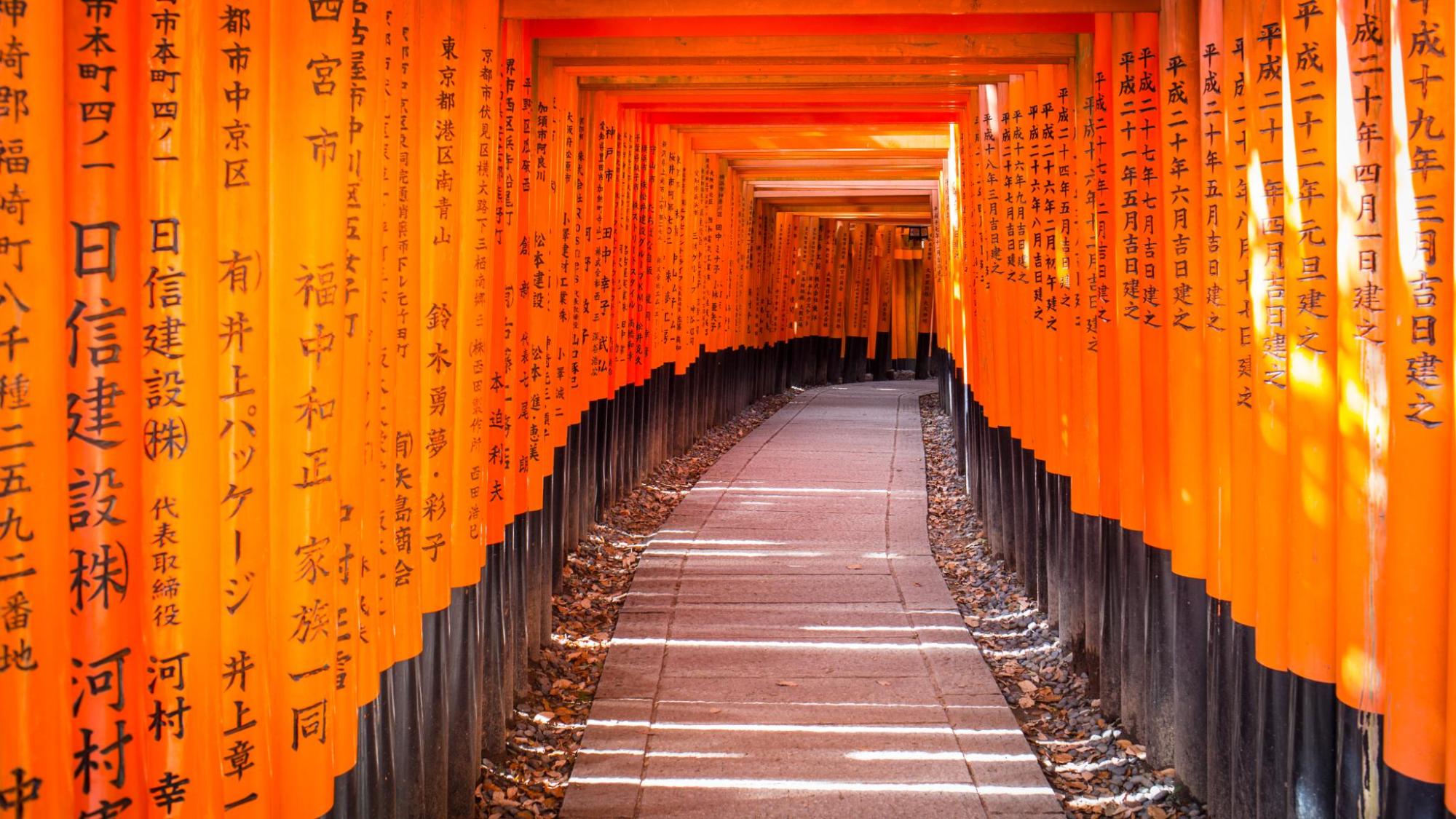
Saving one of the highlights of the Kyoto itinerary to the end, this morning follow the thousands of red torii gates up the trails that lead to the Fushimi Inari Shrine. While the shrine itself is important, it's walking through the forest between the gates that's the main attraction.
The trails get busy, but you can avoid some of the crowd by coming earlier in the morning. There are also quieter side trails to explore, including into a verdant bamboo grove near Kandakara Shrine. You can go all the way up Mount Inari or stop at teahouses.
Afternoon
For the rest of the day, there are a number of things you could do, depending on your interests. The Kyoto Railway Museum has a huge collection of Japanese trains from over the decades, including old steam locomotives and modern shinkansen. And the Kyoto Botanical Gardens is a large site with about 12,000 species of plants, organized into different areas for things like bamboo, bonsai, and hydrangeas.
There's also a long history of sake brewing in Kyoto. Some of the breweries in the more industrial parts of the city offer tours, but you'll also find several tasting rooms in the city center that may be more convenient.
If you're looking for souvenirs, Kyoto has some great shopping malls. Takashimaya is an opulent department store focusing on premium goods, the Kyoto Avanti mall has quite a few boutique stores, while the Kyoto Handicraft Center has a wide range of traditional items for sale.
Evening
And finally, let's finish with a trip up the city's highest structure. Kyoto Tower is 430 feet tall and has an observation deck at 328 feet that you can reach with an elevator. You'll get 360-degree views of the city and the surrounding region, which is particularly beautiful in the early evening as the sun is about to set.
3, 4, and 5-day Kyoto itinerary highlights
If you only have time for a two-day or three-day Kyoto itinerary, you'll still be able to see many of the highlights of this former capital city.
Some of the main attractions and experiences to focus on are:
- Visit the Kiyomizu-dera temple for the city views around sunset
- Walk the Philosopher's Path between the two lovely temples of Ginkaku-ji and Nanzen-ji
- Stroll between the red torii gates lining the trails behind the Fushimi Inari Shrine
- Visit the geisha district of Gion and enjoy a fine-dining experience
- Take part in a tea ceremony in one of the city’s historic teahouses
- See the colorful art installation called Biovortex that's been created by teamLab
Top tips for your stay in Kyoto
In order to be able to visit all these sights, it’s useful to understand how to get around the city. Here are some of the top tips to know before visiting Kyoto:
- Japan has a number of local payment cards that you can top up with credit, including Suica, PASMO, and ICOCA. Using one of these cards is the easiest way to travel on Kyoto's public transportation because you'll be able to just tap on and off.
- You can use trains and buses to reach most of Kyoto's attractions but public transportation often gets crowded. Taxis, walking, or cycling are other popular ways to get around.
- The most popular sights in Kyoto get very busy at peak times, so consider arriving early in the morning to avoid the tour groups.
- In the traditional geisha district of Gion, be respectful of entertainers and other locals if you want to take photos on the streets (some residential roads have even been closed to travelers).
- Although it's becoming more common to use credit cards in Kyoto, many businesses will still only accept cash. Tipping isn't a part of Japanese culture, so it's polite to just pay the amount on the bill.
More than just temples
The temples and shrines are the cultural highlights of Kyoto, representing centuries of Japanese heritage, but as you can see, there are lots of them to visit. The secret to a perfect Kyoto itinerary is to spread out the cultural heritage and also include some of the gorgeous nature, the excellent food, and other attractions like galleries and museums. The good news is you'll never run out of things to do here.
Disclaimer: The views and opinions expressed are those of the author and don't necessarily reflect the official policy or position of our company.