
- The Tower of London's Crown Jewels and 900 years of royal history
- World-class museums like the British Museum and National Gallery
- Borough Market's food stalls and Camden's vintage finds
- A West End show in the heart of London's theatre district
Planning a week in London means you'll have time to see the headline attractions without rushing, plus the freedom to explore beyond the usual tourist trail. This London itinerary spreads the city's highlights across seven days, giving you mornings at museums, afternoons in parks, and evenings in atmospheric neighborhoods. Whether you're after royal history, world-class galleries, or just a proper Sunday roast, a week gives you enough breathing room to experience it all.
Day 1: Arrival and settling in
Morning
Your first morning in London is best kept low-key. After checking into your accommodation, head to a local café for breakfast and get your bearings. If you're staying in central areas like Covent Garden, Bloomsbury, or King's Cross, you'll find independent coffee shops within walking distance. Take the morning to settle in, grab essentials, and adjust to the city rather than cramming in major sights straight away.
Afternoon
Once you've recharged, a gentle walk through one of London's parks makes for an easy start. Hyde Park and Kensington Gardens stretch across 350 acres in central London, offering tree-lined paths, the Serpentine lake and the Albert Memorial. You could also head to Regent's Park in the north, where you'll find rose gardens and open lawns. These green spaces give you a sense of the city's layout without the business of museum lines or crowded attractions.
Evening
For your first evening, stick to a neighborhood with good restaurants and an easy-going atmosphere. Soho has a huge range of dining options, from dim sum on Wardour Street to pasta places on Frith Street. After dinner, you could catch a show in the West End if you've booked ahead or just wander through Leicester Square and Piccadilly Circus to take in the lights and street performers. An early night isn't a bad idea if you've traveled far – the rest of your London itinerary has plenty in store.
Day 2: Tower of London and the South Bank
Morning
Arriving at the Tower of London early means you'll beat the biggest crowds. This riverside fortress has served as a royal palace, prison, and execution site over its 900-year history. The Crown Jewels are housed here, along with exhibitions on the tower's darker past. Budget at least two to three hours to explore the grounds, medieval towers, and Yeoman Warder tours. The Beefeaters lead engaging walks that bring the tower's stories to life, from Anne Boleyn's final days to failed escape attempts.
Afternoon
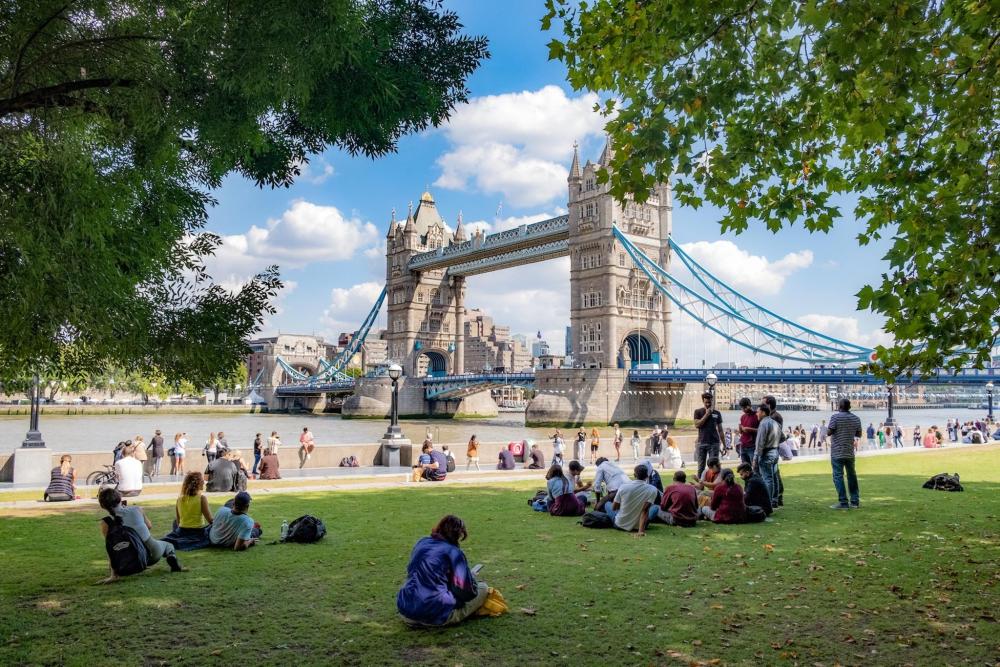
After leaving the tower, cross the Thames over Tower Bridge – the walkway at the top offers views across the river, though the real appeal is just walking across this recognizable span. On the south bank, Borough Market sits beneath railway arches, with stalls selling everything from fresh oysters to Scotch eggs. It's a working food market rather than a tourist attraction, which means you'll find Londoners doing their weekend shopping alongside visitors grabbing lunch. From here, you can walk west along the South Bank path towards Tate Modern, and Shakespeare's Globe theater.
Evening
The South Bank comes alive in the evening with riverside restaurants, street performers, and the National Theatre's outdoor spaces. If you've worked up an appetite, look for restaurants in the Bermondsey or London Bridge areas – both have seen a surge in new openings over recent years. Alternatively, hop on the Tube back to your accommodation and find dinner closer to where you're staying. London's neighborhoods each have their own character, so eating locally gives you a different perspective on the city.

Day 3: British Museum and Covent Garden
Morning
The British Museum in Bloomsbury holds over eight million objects spanning human history and culture. Entry is free, which may help tempt you to visit a second time due to the scale of the collection. The Rosetta Stone, Egyptian mummies, and Greek Parthenon sculptures are among the most visited exhibits. You could easily spend an entire day here, but three hours in the morning allows you to see the highlights without fatigue setting in. The Great Court, with its geometric glass roof, makes a light-filled space for a coffee break.
Afternoon
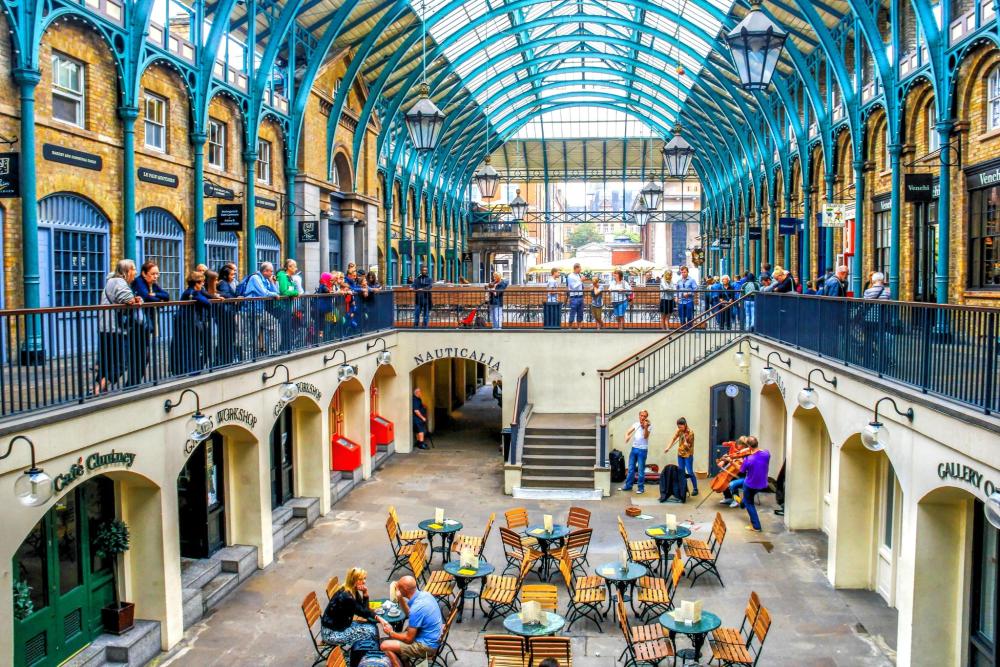
Covent Garden is a 15-minute walk south of the British Museum. The covered market building hosts craft stalls, independent stores, and street performers who audition for their pitches. The area has a theatrical heritage – the Royal Opera House stands on Bow Street and theatres line the surrounding streets. Neal's Yard, a small courtyard off Shorts Gardens, brings a splash of color with its painted buildings and vegetarian cafés. This is a neighborhood for wandering rather than checking off specific sights.
Evening
The West End theater district surrounds Covent Garden, with shows ranging from long-running musicals to new plays. If you haven't already booked tickets, the TKTS booth in Leicester Square sells same-day discounted seats, though popular shows sell out quickly. Pre-theater dining options fill the streets around Shaftesbury Avenue – restaurants often offer early set menus before curtain-up. After the show, Chinatown's restaurants stay open late if you're after a post-theater meal.
Day 4: royal London and Westminster
Morning
Buckingham Palace, the official London residence of the monarch, opens its State Rooms to visitors during summer months. If you're visiting outside this period, the Changing of the Guard ceremony takes place on selected days. Watching the guards march from Wellington Barracks to the palace draws large crowds, so arriving 30 minutes early helps secure a decent viewing spot. The ceremony lasts around 45 minutes and involves military bands alongside the ceremonial guard change.
Afternoon
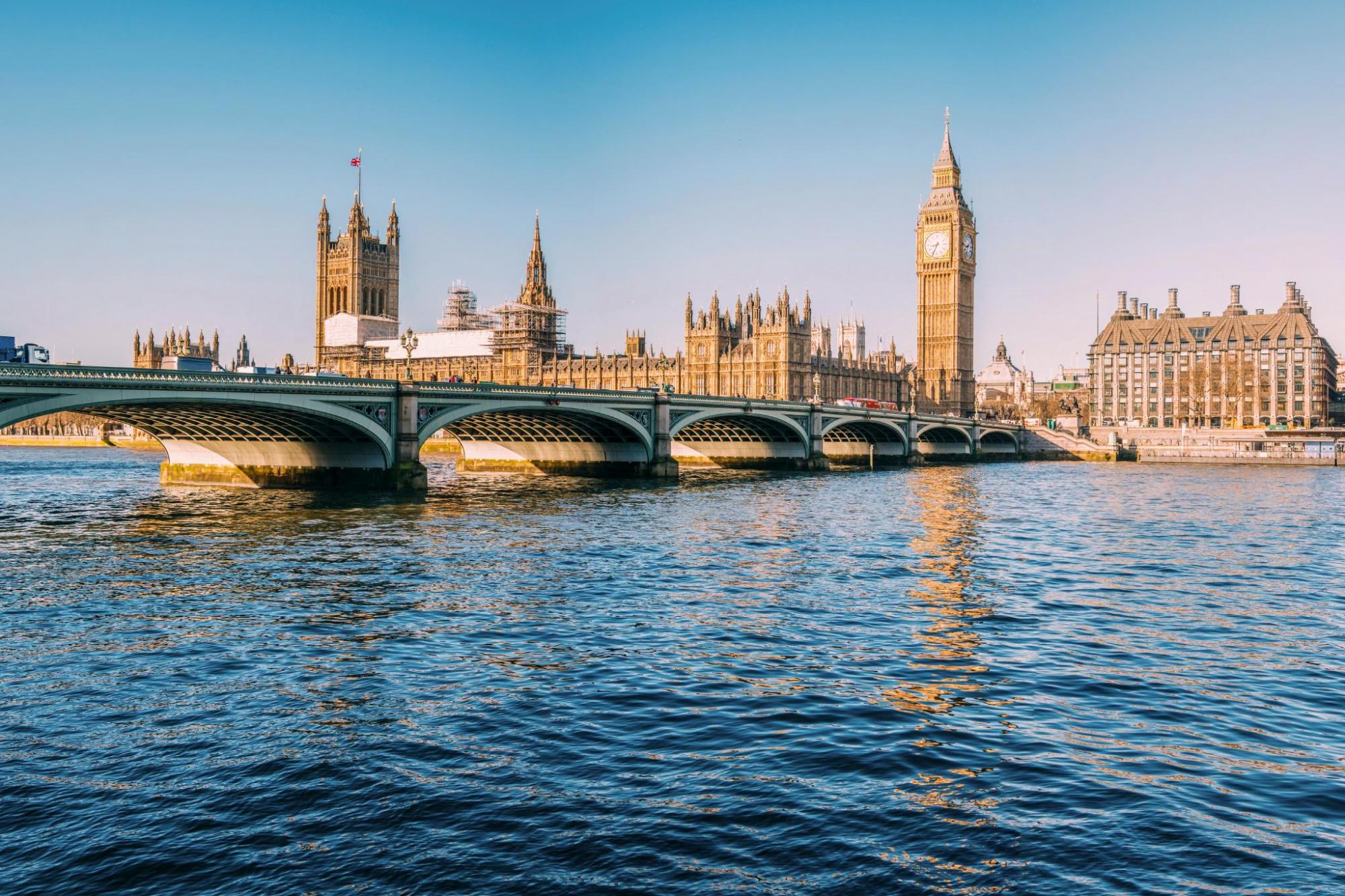
From Buckingham Palace, walk through St James's Park towards Westminster. The Houses of Parliament and Big Ben dominate the skyline at Parliament Square. Westminster Abbey, where royal coronations and weddings take place, sits across the street. The abbey's gothic architecture and Poets' Corner, where literary figures are commemorated, make it worth the entry fee. Tours take roughly 90 minutes, with audio guides explaining the building's role in British history.
Evening
The Westminster and Victoria areas have plenty of dining options, from gastropubs to upmarket restaurants. If you prefer something more casual, head north to Pimlico, where local pubs serve traditional British food in a less touristy setting. The riverfront between Westminster and Embankment lights up after dark, with the London Eye's capsules illuminated across the water. An evening walk along the Thames Path offers a different view of landmarks you've seen during the day.
Day 5: Camden and Notting Hill
Morning
Camden Market actually comprises several markets spread across the Camden Lock area. It's at its liveliest on weekends, with stalls selling vintage clothing, handmade jewelry, and international street food. The Regent's Canal runs through Camden and narrow boats line the waterway – some have been converted into cafés or stores. If crowds aren't your thing, visiting on a weekday morning provides a calmer experience. The market sprawls across different sections, from the Stables Market (housed in former horse stables) to Camden Lock Market by the canal.
Afternoon
From Camden, the Tube takes you to Notting Hill in under 30 minutes. Portobello Road Market operates throughout the week, though Saturday brings the antiques dealers and largest crowds. The pastel-colored houses along the surrounding streets have become social media favorites, but the neighborhood rewards aimless wandering. Independent bookstores, vintage stores, and cafés fill the side streets off Portobello Road. If you're visiting on a Saturday, arrive in the morning when the market's in full swing.
Evening
Notting Hill and the adjoining Bayswater area have restaurants representing cuisines from around the world. Queensway, a short walk from Portobello Road, has everything from Lebanese grills to Malaysian laksa houses. For a traditional British pub experience, several historic pubs in the area serve local ales and Sunday roasts (if you're visiting on the right day). The neighborhood feels more residential than central London's tourist zones, offering a glimpse of everyday life in the city.
Day 6: Greenwich and maritime history
Morning
Greenwich, in southeast London, can be reached by riverboat from central piers or by the DLR (Docklands Light Railway). The journey by boat takes around an hour and provides views of the Thames as it winds through east London. Greenwich Park climbs a hill above the Thames, with the Royal Observatory at the summit. This is where the Prime Meridian line marks zero degrees longitude – visitors can stand with one foot in the eastern hemisphere and one in the western. The park itself offers panoramic views across the river to Canary Wharf's skyscrapers.
Afternoon
At the base of Greenwich Park, the National Maritime Museum explores Britain's naval history through interactive exhibits and historic vessels. The Cutty Sark, a 19th-century tea clipper, sits in dry dock nearby. Greenwich Market, operating daily, has craft stalls, vintage finds, and food vendors. The area around the market contains independent stores and cafés, making it easy to spend a full afternoon exploring. If maritime history doesn't appeal, you could swap Greenwich for Kew Gardens in southwest London – the botanical gardens there showcase plants from around the world in Victorian glasshouses.
Evening
Greenwich has plenty of riverside pubs and restaurants where you can watch boats passing on the Thames. The area attracts fewer tourists in the evening, giving it a local neighborhood feel. If you'd rather head back to central London for dinner, the DLR connects to the Tube network, putting you back in the West End or South Bank within 45 minutes. After six days of sightseeing, this might be the evening to book somewhere special or revisit a neighborhood you particularly enjoyed earlier in the week.
Day 7: Museums and final explorations
Morning
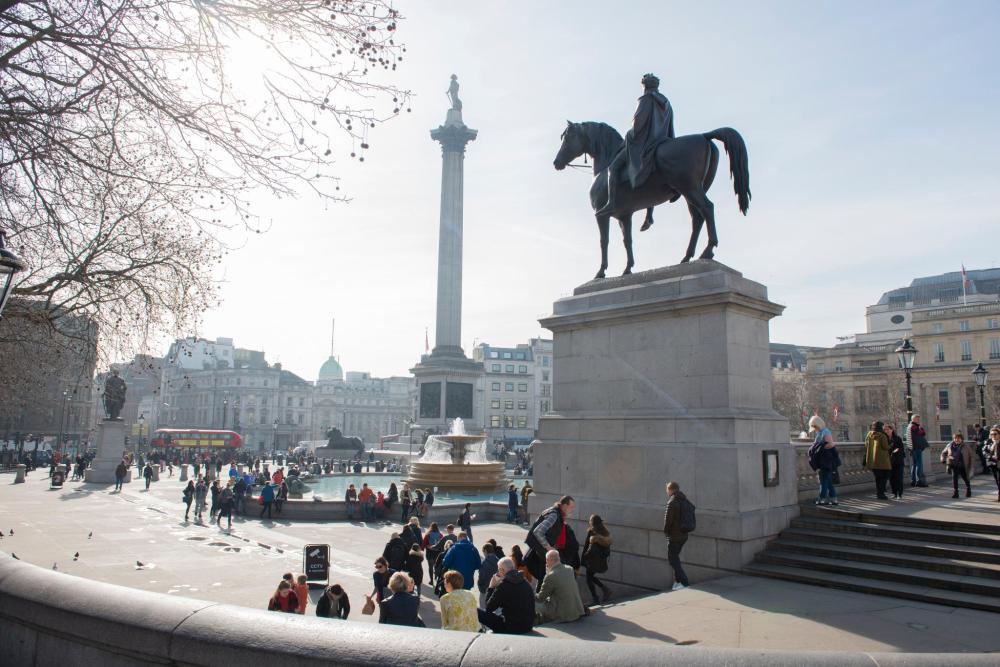
Your final morning in London depends on what you've missed so far. If you haven't visited the National Gallery in Trafalgar Square, it houses European paintings from the 13th to 19th centuries – Van Gogh's Sunflowers and works by Leonardo da Vinci are among the collection. Entry is free and a couple of hours lets you see the key works. Alternatively, the Victoria and Albert Museum in South Kensington covers decorative arts and design, from medieval tapestries to contemporary fashion. Both museums could easily fill a full day, but focusing on specific galleries makes them manageable in a morning.
Afternoon
London's shopping districts offer a final chance to pick up gifts or just browse. Oxford Street and Regent Street form the main shopping arteries, with department stores like Selfridges and Liberty drawing crowds. For a more relaxed experience, Marylebone High Street has independent boutiques and cafés. If you prefer vintage finds, Brick Lane in east London hosts a Sunday market with clothing stalls, record stores, and street food. Covent Garden's stores, covered in Day 3, also make for easy browsing without the Oxford Street crowds.
Evening
For your last evening, consider booking a West End show if you haven't already caught one. Alternatively, a final dinner in a neighborhood you've enjoyed during the week lets you soak up the atmosphere one more time. Areas like Shoreditch in east London offer contemporary restaurants and cocktail bars, while Chelsea and Kensington in the west have more traditional dining rooms. Some visitors prefer to keep the final evening simple – a riverside walk, a pint in a historic pub, or an early night before traveling home the next day.
Top tips for your stay in London
A few practical insights can make your week in London run more smoothly. Here are some essentials worth knowing before and during your trip:
- An Oyster card or contactless payment card offers the cheapest way to travel on the Tube, buses, and trains. Daily caps mean you'll never pay more than a set amount, even with multiple journeys. Avoid buying paper tickets – they cost significantly more.
- Major attractions like the Tower of London and the London Eye get busy, especially during summer and school vacations. Booking tickets online in advance usually saves money and lets you skip some lines.
- Tipping isn’t essential, though it’s customary to leave 10–12.5% in restaurants if service isn't already included on the bill. Pubs operate on a pay-at-the-bar system where tipping isn't expected, though you might round up the bill or offer to buy the bartender a drink.
- Walking between nearby attractions often takes less time than navigating the Tube, particularly in central areas. From Covent Garden to the British Museum is a 15-minute walk, while the Tube journey involves two different lines and multiple staircases.
Three, four and five-day London itinerary highlights
Not everyone has a full week to explore the city. Whether you're planning a short London itinerary or a mid-length four to five-day visit, you can still capture the essence of this historic capital by focusing on core experiences. For a shorter stay, choose from any of these highlights:
- Cover the Tower of London and Westminster Abbey for a dose of royal history, then cross Tower Bridge to Borough Market for lunch.
- Visit the British Museum in the morning and spend the afternoon wandering Covent Garden's market and theatre district.
- Explore Camden Market's vintage stalls and street food, then head to Notting Hill for Portobello Road's colorful houses and antiques.
- Take in the Changing of the Guard at Buckingham Palace, stroll through St James's Park and catch an evening show in the West End.
Your week in London starts here
A week in London strikes the right balance between seeing major attractions and experiencing the city's everyday rhythms. This London travel itinerary spaces out your sightseeing days with lighter mornings in parks, afternoons browsing markets, and evenings in local restaurants. The city's size can feel overwhelming at first, but its Tube network connects neighborhoods quickly and many landmarks sit within walking distance of each other. Whether you follow this itinerary day by day or use it as a starting point for your own route, London rewards both careful planning and spontaneous detours down side streets you hadn't noticed on the map.
Disclaimer: The views and opinions expressed are those of the author and do not necessarily reflect the official policy or position of our company.