How to celebrate summer solstice: 19 U.S. trip ideas

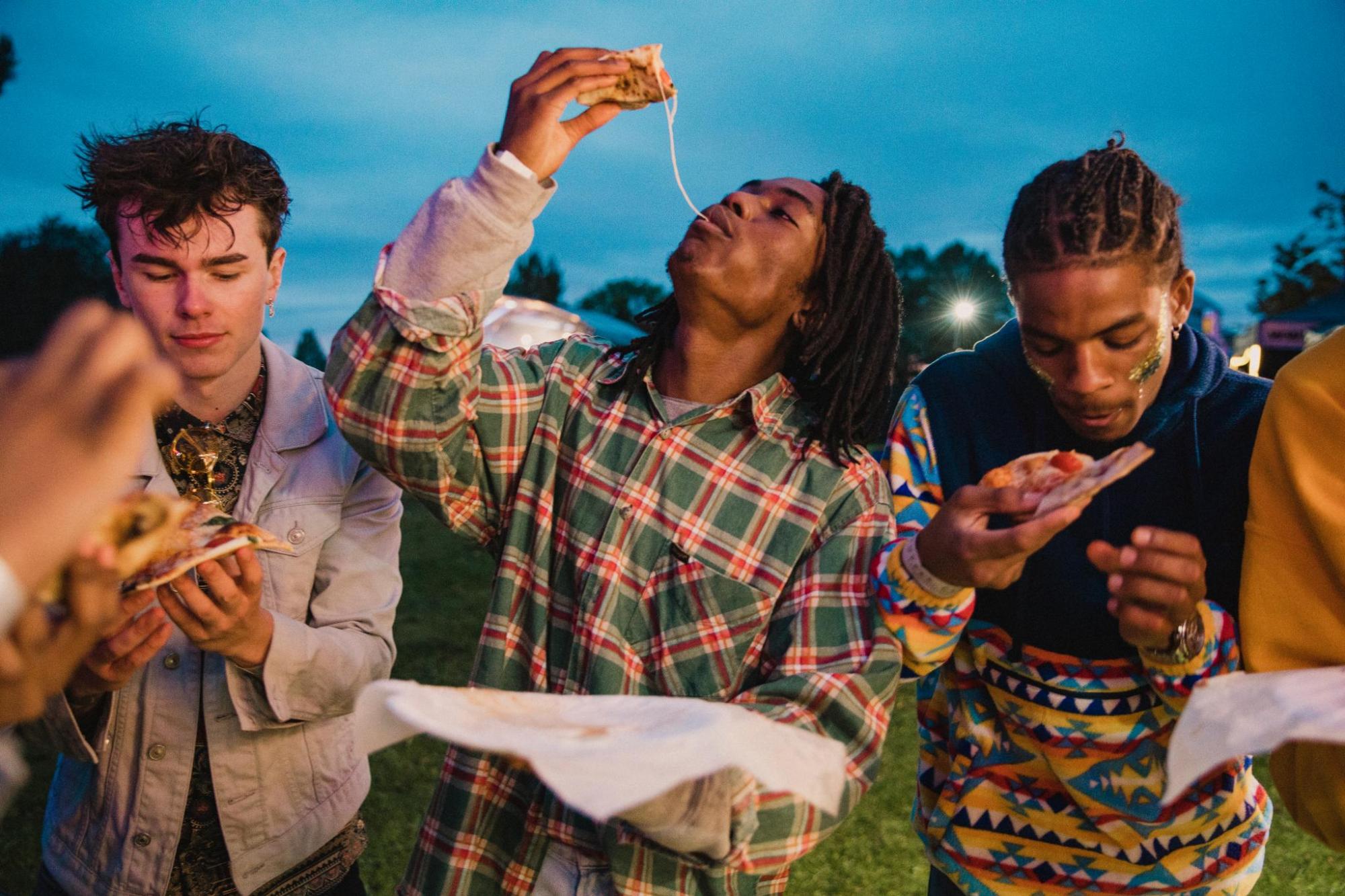
- The summer solstice falls on June 21, the longest day across the U.S.
- Experience Alaska's midnight sun with roughly 21–22 hours of visible daylight
- Celebrate with U.S. summer solstice parades like Colorado’s Scandinavian Midsummer Festival, where you can experience folk dancing, flower-crown making, and maypole ceremonies
The summer solstice is the moment each year when the Northern Hemisphere is tilted most directly toward the Sun, producing its longest day and shortest night. This year the summer solstice falls in the early hours of the morning on June 21.
Why do we celebrate summer solstice?
Historically, the summer solstice was marked for a mixture of practical and spiritual beliefs. Farmers tracked it to gauge planting cycles, and many cultures treated it as a turning point tied to growth, fertility, and the power of light. Today, the meaning varies by place. Some communities lean spiritual, others festive, and many simply treat it as a seasonal milestone that says summer has officially arrived and the nights are perfect for lingering.
Where to see the summer solstice: iconic U.S. destinations
Fairbanks, Alaska: experience the midnight sun
This year on June 20, Fairbanks logs roughly 21–22 hours of visible daylight, and locals treat sleep as optional. The Midnight Sun Festival fills downtown Fairbanks with food vendors, live music, and street performers, while the Midnight Sun Baseball Game starts near 10:00 pm and famously plays without stadium lights. For quieter moments, hiking the trails at Creamer's Field Migratory Waterfowl Refuge or taking an evening riverboat cruise on the Chena River lets you experience all the wonder of a day that never seems to end.
Joshua Tree, California: stargazing the shortest night
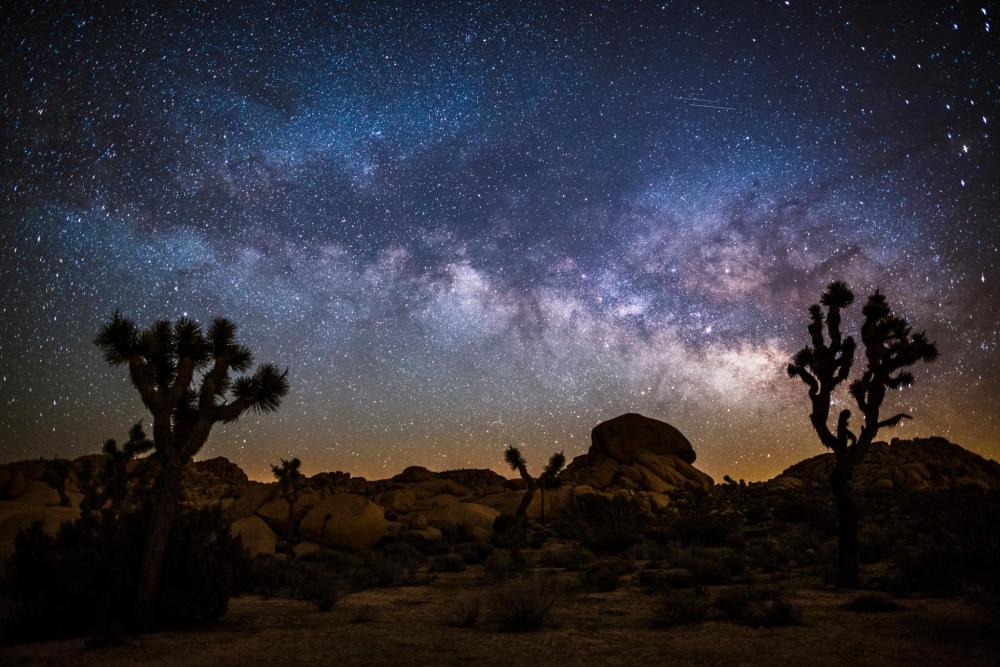
Joshua Tree's solstice is about contrast – blazing daylight giving way to a brief but dramatic night sky. For many visitors, it's the first time they've had a real glimpse of the Milky Way. Early morning hikes to Barker Dam or Ryan Mountain beat the heat, while sunset at Keys View reveals layered desert ridges fading into a hazy horizon.
After dark, the park's designation as an International Dark Sky Park means even the few hours of night deliver crisp, clear constellations. The park has four designated stargazing areas:
- The parking lots of Quail Springs
- Hidden Valley
- Cap Rock
- Ryan Mountain
Nearby Joshua Tree town adds charm with roadside diners and art galleries that stay open late.
Acadia, Maine: Be the first to see the solstice sunrise
Watching dawn from Cadillac Mountain is something close to a pilgrimage. Visitors gather before 4 am, wrapped in jackets against the Atlantic breeze, waiting for the sky to shift from indigo to peach. After sunrise, celebrate with popovers at Jordan Pond House, located within Acadia, or a bike ride along the historic carriage roads. Bar Harbor's waterfront buzzes all day with whale-watching boats, lobster shacks, and salty sea air.
Arches, Utah: shadows and overlooks
Long daylight hours mean more time to explore Arches' rock formations without rushing. Sunrise at Delicate Arch offers cooler temperatures and soft light that brings out the rock's deep reds, while late afternoon in the Windows Section creates dramatic shadow play and a golden hour that's worth every photo. Moab, just outside the park, is a solstice hub for rafting trips on the Colorado River, sunset jeep tours, and restaurant patios that stay lively well into the evening.
Grand Canyon, Arizona: the sublime
Solstice light exaggerates the canyon's sculptural qualities and brings the topography into sharper relief. Start at Mather Point for sunrise, when the first rays creep across the buttes, then walk sections of the Rim Trail where viewpoints change every few minutes. By evening, Hopi Point or Desert View Watchtower delivers a slow, cinematic sunset that seems to stretch the daylight even longer.
The Everglades, Florida: the way of the mangrove
Here, the longest day feels tropical and immersive. Early morning is prime for spotting roseate spoonbills and great blue herons along the Anhinga Trail, while afternoon airboat rides skim across sawgrass marshes humming with life. Sunset lingers over the mangroves and nighttime ranger programmes sometimes spotlight nocturnal wildlife, turning the solstice into a full-day ecosystem tour.
James Turrell Skyspace, Austin: the light we carry
At the University of Texas' ‘Twilight Epiphany’ Skyspace, solstice light becomes a curated experience. Subtle LED color sequences frame the open-roofed room as the sky shifts at sunrise or sunset, creating a meditative atmosphere. Pair it with Austin's early morning coffee culture or an evening stroll around Lady Bird Lake for a city-meets-art take on the longest day.
Going-to-the-Sun Road, Montana: stunning vistas
Driving this legendary Glacier National Park route near solstice means extended golden hours illuminating cerulean alpine lakes and jagged peaks. Logan Pass trails often still hold patches of snow, while lower elevations burst with wildflowers. Pull over at overlooks like Big Bend or St. Mary Lake to watch the light travel across the mountains, then linger for an evening picnic that feels suspended in time.

Assateague State Park, Maryland: wild horses and coastal bays
Solstice on Assateague blends coastal serenity with a touch of wildness. Expect pastel sunrises and salt marshes and the park's famous wild horses, who have roamed the island for over 350 years. Spend the long afternoon kayaking through marsh channels or biking the island's flat trails, then watch the sun set over the bay for a rare double-horizon day.
Chaco Culture National Historical Park, New Mexico: Anasazi brilliance
Chaco offers one of the most contemplative solstice experiences in the U.S. Ancient structures like Pueblo Bonito align with solar patterns, and ranger-led programs explain how ancestral Puebloans tracked celestial events with remarkable precision. The remote desert setting means almost no light pollution, so the short solstice night still delivers a dense canopy of stars.
Summer solstice USA: festivals and parades
Seattle, Washington: Fremont Solstice Parade
Seattle's most offbeat celebration mixes elaborate floats, street performers, and the parade's famous painted cyclists. It winds through the Fremont neighborhood before spilling into a lakefront festival with food trucks, craft vendors, and live bands. Expect a playful atmosphere that reflects the city's creative streak.
Santa Barbara, California: Summer Solstice Parade
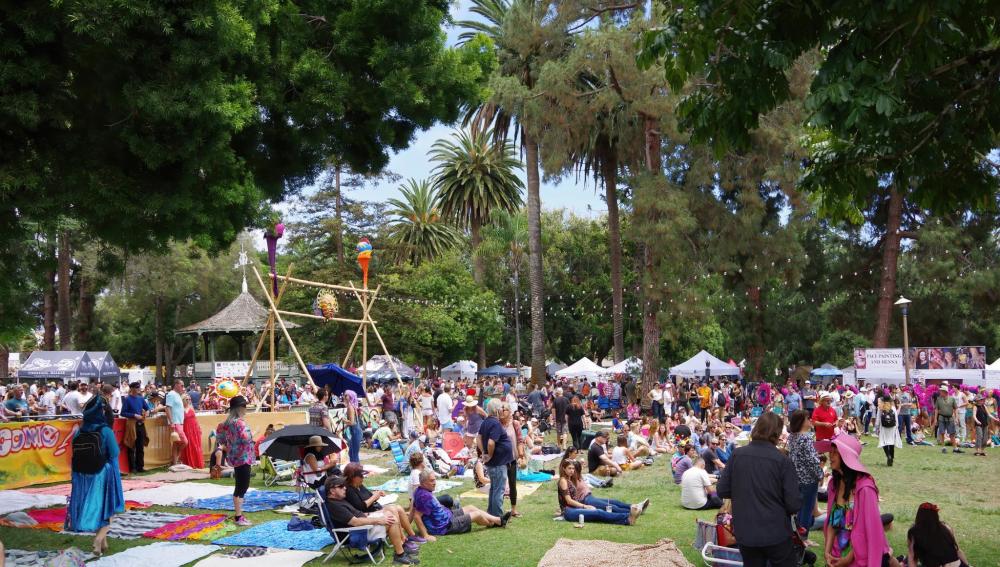
Santa Barbara's parade feels like a coastal carnival, with giant puppets, samba rhythms, and a strong community arts presence. The celebration continues at Alameda Park with food stands and performances, all under palm trees and an ocean breeze that keeps temperatures comfortable throughout the day.
Colorado: Scandinavian Midsummer Festival
Formerly celebrated in Estes Park, the Nordic-style solstice event now typically takes place in Highlands Ranch, where folk dancing, flower-crown making, and maypole ceremonies bring Scandinavian traditions to the Front Range. The festival runs June 28–29, making it easy to combine with Fourth of July plans for a double-header. Try traditional foods like lefse and pickled herring, check out the Fjellborg Vikings in their living history encampment, and browse the Scandinavian Classic Car Show.
Kansas: Lindsborg Midsummer's Festival
Known as "Little Sweden," Lindsborg leans fully into its heritage with traditional music, artisan markets, and a community maypole raising. The town's small size makes it feel homey, with locals and visitors interacting easily along Main Street.
Michigan: Summer Solstice Jazz Festival
Often hosted in lakeside cities like Detroit or Traverse City, these festivals pair live jazz with waterfront views and warm evening air. Pop-up stages, local food vendors, and late sets make it feel like a soundtrack to the season's turning point.
Make Music Chicago
Now in its 15th year, this citywide celebration turns Chicago into an open-air concert venue. Musicians of all levels perform on sidewalks, plazas, and parks, creating a vibe where you can wander the streets to music ranging from classical to hip-hop in a single afternoon.
North Carolina: Greensboro Solstice Festival
Centered in Greensboro's cultural districts, this event mixes live music, art installations, and interactive workshops. It has a relaxed, family-friendly feel with plenty of shaded spots to linger as the evening light stretches on.
Virginia: Summer Solstice Wine Festival
Held at vineyards across the state, these gatherings combine tastings with live music and extended golden-hour views over rolling hills. It's less crowded than peak harvest season and ideal for a slow afternoon that meanders into evening.
Lean into the light
Across the U.S., the summer solstice shows up in different forms from near-endless daylight in Alaska to sunrise rituals on the Atlantic coast and festivals that turn city streets into stages. What ties them together is the same simple appeal: more light, more time outside, and a shared desire to mark the turning world together.