
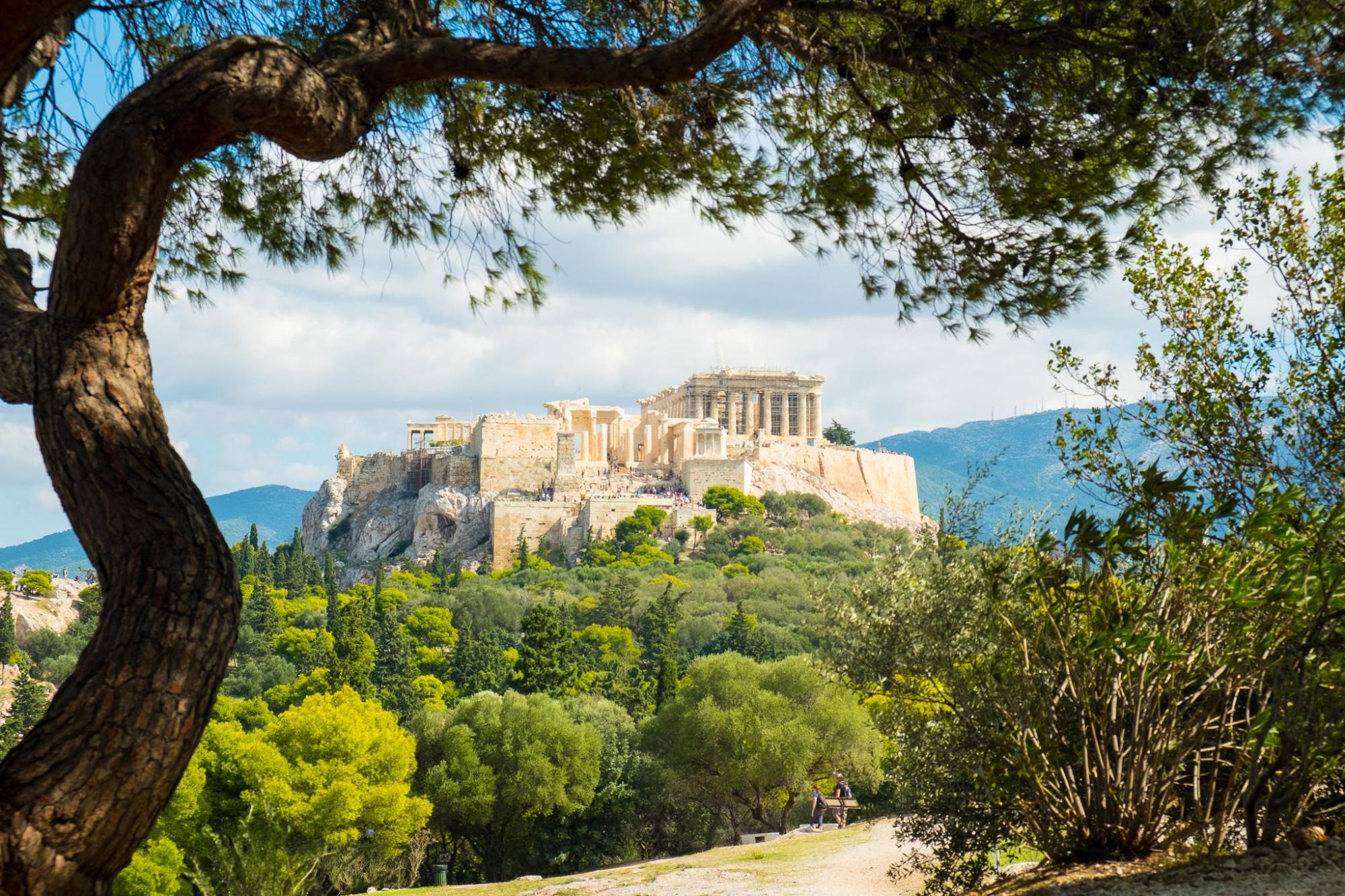
- Shoulder months (April–May and September–October) are the sweet spot for visiting Greece – warm enough to swim, with fewer crowds and lower prices than peak summer.
- Toilet paper goes in the trash can, not the toilet – this applies throughout the country
- Ferries are the backbone of island travel – booking ahead in summer is strongly recommended
Visiting Greece for the first time? The country rewards the well-prepared traveler. Sun-bleached islands, ancient ruins, blue water, and food that you’re still thinking about long after you get home – Greece makes good on all of it. A little preparation goes a long way – and our guide covers what you need to know to get the most out of your trip. From navigating ferry timetables to understanding the local way of life, here's everything worth knowing before you go.
When to visit Greece
Greece is a year-round destination, but the timing of your trip makes a significant difference to the experience – and the price.
Peak vs. off-peak
July and August are Greece’s peak months. Temperatures across the mainland and islands regularly climb above 95°F, beaches fill up fast and accommodation prices can surge – particularly in Santorini, Mykonos, and Rhodes. Ferries and popular restaurants can book out weeks in advance. If you're visiting Greece for the first time and want the classic summer experience, factor in both the heat and the crowds.
Shoulder season (April to May and September to October) – is the sweet spot for many visitors. The Aegean is warm enough for swimming, wildflowers blanket the hillsides in spring, and the summer crowds haven’t yet arrived or departed. Prices can drop noticeably, and it's far easier to find availability on ferries and at sought-after hotels.
Winter, from November to March, is low season across most of the islands, with many businesses closing entirely. Athens and Thessaloniki, however, remain active year round and offer a different, more local side of Greek life.
How long to stay in Greece
Greece is deceptively large, so first-time visitors may underestimate the distances between destinations. A "short" hop between islands can involve a four-hour ferry and an overnight stop, so planning your route in advance means you can make the most of every day.
A week gives you enough time to explore one region properly, whether that's Athens plus the Peloponnese, or a two- or three-island hop in the Cyclades.
Two weeks opens things up considerably. Athens, Crete, Santorini and one or two smaller islands is a realistic itinerary at this length, without feeling rushed. If you're planning to mix the mainland and the islands – adding destinations like Meteora, Delphi, or the Mani Peninsula – build in extra days for travel.
Ten to 14 days is the recommended window for traveling to Greece for the first time. It gives you space to slow down, which is very much in keeping with the Greek way of doing things.
How to get around Greece
Getting around Greece requires a bit of planning, particularly if you move beyond Athens. The good news is that multiple transportation options exist, and each one suits a different style of travel.
Ferry
Ferries are the primary way to travel between islands and for many visitors they become a highlight in themselves. Routes connect Athens' port of Piraeus to many inhabited islands, with Rafina and Lavrio serving as secondary ports. High-speed catamarans cover the Cyclades in a fraction of the time that conventional ferries take, though they may cost more.
Booking ahead is strongly advised in summer – popular routes between Athens, Santorini, and Mykonos can sell out. Arriving at the port at least 45 minutes before departure is recommended, as port areas can be busy and confusing to navigate.
Domestic flights
For longer distances a domestic flight can save significant time. Olympic Air and Sky Express both operate extensive domestic networks, and fares can be competitive when booked in advance. Flights from Athens to Heraklion, for instance, take around 45 minutes versus a roughly nine-hour overnight ferry.
Car rental
Renting a car is one of the best ways to see the Greek mainland and larger islands such as Crete, Rhodes, and Corfu. Public transportation on some islands is limited to a handful of bus routes, so having a car opens up remote beaches, mountain villages, and archaeological sites that would otherwise be hard to reach.
Top tip: An international driver's license isn't required for EU license holders, though those with licenses from outside the EU should check requirements in advance.
Buses
KTEL coaches connect towns and cities across the mainland and operate on some larger islands. They're affordable and reliable on major routes, though schedules can be infrequent in rural areas. Timetables are available on the KTEL website, though not all regional operators are listed there – local tourist offices can fill in the gaps.
Taxis
Taxis are widely available in cities and resort towns. In Athens, local rideshare apps are a reliable option for getting around the city. In smaller towns and on islands, it's common to arrange taxis by phone or through your accommodation.
Where to stay during your trip to Greece
Greece offers an enormous range of accommodation, from Athens city-center hotels to family-run guesthouses on remote islands. Where you base yourself shapes the whole trip.
Athens: Monastiraki and Koukaki
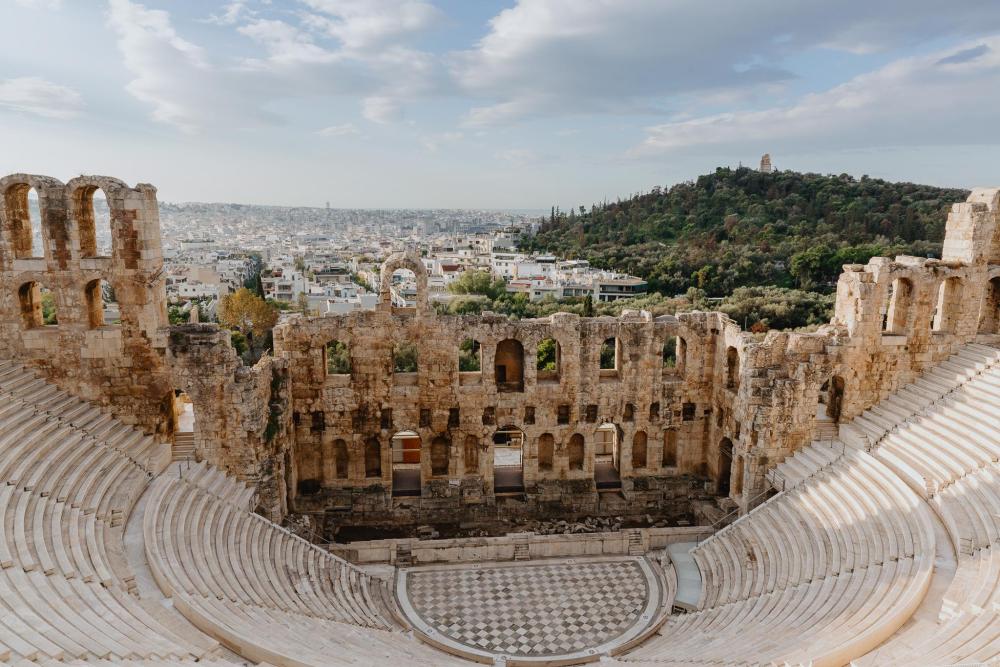
Most first-time visitors to Greece pass through Athens. If the itinerary allows, spending two or three nights in the city opens up a lot more than a quick stopover might do. Monastiraki sits at the foot of the Acropolis, placing you within walking distance of the main ancient sites, the flea market, and a concentration of restaurants and rooftop bars. It's lively and central, especially in peak season.
Koukaki, just south of the Acropolis, has a quieter, more residential feel that appeals to those in search of an authentic experience. It's a short walk to the main sights and a useful base for exploring the city at a more relaxed pace.
Crete: Chania old town
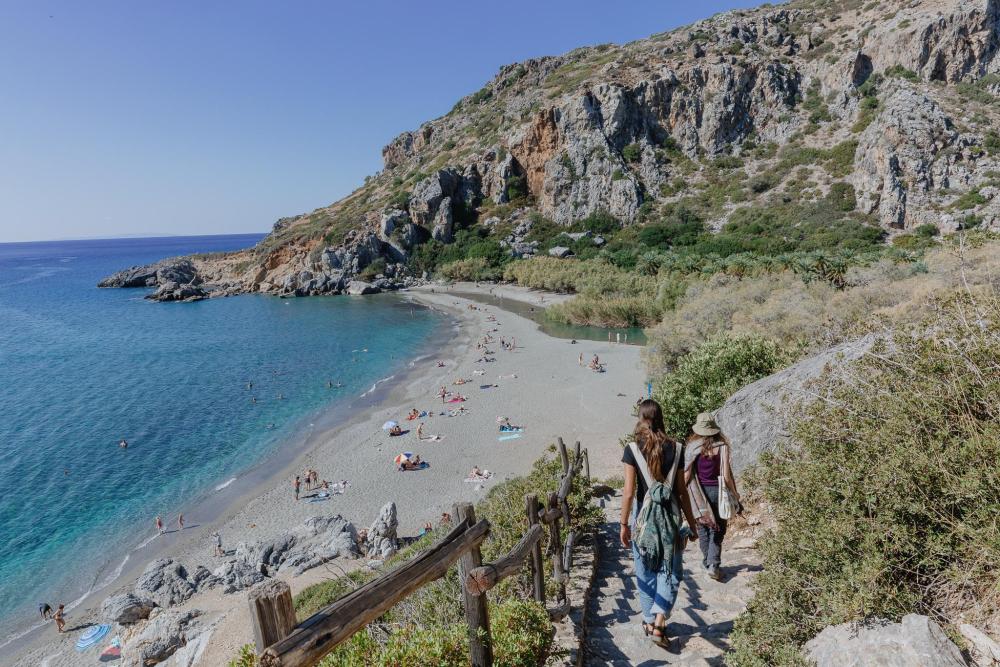
Crete is Greece's largest island and operates almost as a destination unto itself, with its own distinct culture, cuisine, and landscape. The Venetian harbor in Chania offers an atmospheric ambiance and basing yourself in the old town puts you in the middle of it. Chania is an excellent first base for visiting Greece, with cave-like restaurants serving slow-cooked lamb, boutique hotels in restored mansions, and some of the island’s best beaches a short drive away.
Santorini: Fira and Imerovigli
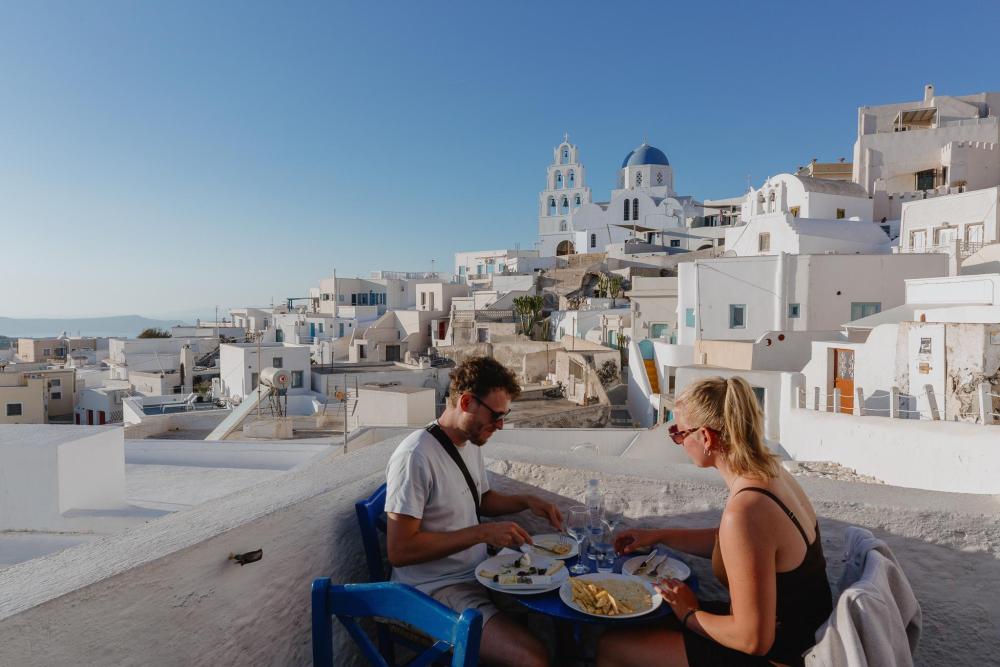
Santorini's caldera villages are particularly photogenic, and Oia is the most visited of them all – ideal if you're looking for a buzzing atmosphere at the height of summer. Fira, the island's capital, sits in a more central position and offers a wide range of accommodation that provide well-known caldera views and easy access to beaches and the cable car. For something quieter, Imerovigli—midway along the caldera rim—tends to attract slightly fewer crowds while keeping the same dramatic views.
Essential things to know about Greece
Knowing a few local customs and practicalities before you arrive can help to avoid confusion. Discover our top tips below.
Put toilet paper in the trash can, not the toilet
This one surprises most first-time visitors: Used toilet paper goes in the can beside the toilet, not down it as flushing can block pipes quickly. While it may feel unfamiliar at first, you may find that it becomes second nature within a day or two.
Consider tipping etiquette
Tipping is appreciated but not obligatory in Greece. In restaurants, rounding up the bill or leaving five to ten percent for good service is common practice. It's customary to leave coins on the table rather than adding a tip to a card payment. Taxi drivers don't typically expect a tip but rounding up the fare is a friendly gesture.
Work around midday mesimeri closures
The afternoon rest—known as the mesimeri—is an institution in Greece, particularly outside of Athens and the most tourist-heavy resorts. Smaller stores, family businesses, and some restaurants close between roughly 2:00 pm and 5:30 pm. The midday closures mean that Greek evenings start late and last long – with dinner at 9:00 pm or 10:00 pm being commonplace.
Consume tap water safely
Tap water in Athens and on the mainland is generally safe to drink. However on many islands, such as Mykonos, Santorini and the Cycladic islands, tap water isn't recommended for drinking. Locals will often say directly – and bottled water is affordable and widely available. When in doubt, ask at your accommodation.
Plan around Sunday and public holiday closures
Sundays can be quiet in Greece, especially away from tourist centers. Grocery stores in towns and cities may have reduced hours and smaller stores often close entirely. Frequent public holidays, such as Easter, can bring further closures. Planning any errands or shopping around these patterns saves time.
Follow dress codes at religious sites
Greece is home to hundreds of active churches and monasteries, many of which are open to visitors. Covered shoulders and knees are required at most religious sites – and while some keep wraps available at the entrance, bringing a light scarf or layer can help to guarantee entry. At larger monasteries such as Meteora, clear signage takes the guesswork out of what to wear.
Carry cash, especially outside cities
Card payments are increasingly accepted in Greek cities and larger resort areas, but cash remains essential in many parts of the country. Smaller tavernas, village stores, market stalls, and rural accommodation often prefer or even operate on a cash-only basis. ATMs are widely available in towns and cities, but can be scarce on smaller islands. Consider withdrawing cash on arrival or at a larger hub before heading to more remote areas.
Leave rocks, pebbles, and sand on the beach
Taking rocks, pebbles, or sand from Greek beaches is illegal. The fines are no token gesture – it's a rule that exists to keep those coastlines looking the way they do. The same applies to items with archaeological significance – so avoid removing anything from an ancient site.
Top things to do when visiting Greece
Greece rewards explorers of all kinds, so there’s sure to be something suited to your travel style:
- The Samaria Gorge in Crete—one of Europe's longest gorges—is a full-day adventure through dramatic scenery.
- The ancient sites of Delphi, Olympia, and the Acropolis in Athens offer some of the most significant archaeological experiences anywhere in the world.
- On the islands, chartering a small boat for a day to reach sea caves and hidden coves is a favorite activity among those in the know.
- Food lovers should seek out a psistaria (a traditional grill house) for slow-cooked lamb or pork. A morning spent at a harbor-side fish market is a vivid introduction to Greek daily life.
Greece travel tips: Hidden gems
For travelers who want to look beyond the well-worn Cycladic trail, a few corners of Greece remain off the radar. The island of Ikaria, in the eastern Aegean, has a reputation for long-lived locals and an unhurried pace of life.
Whereas, on the mainland, the Zagori region of Epirus—a cluster of stone-built villages connected by ancient mule paths and arched bridges—sees a fraction of the visitors that better-known destinations receive. This region also offers some of the most striking mountain scenery in the country.
The Mani Peninsula in the Peloponnese, with its tower houses and coastal landscape, is another destination that delivers well beyond its profile.
Ready to start planning your trip to Greece?
Greece has a way of staying with you long after you leave. The combination of ancient history, island landscapes, and a food culture built around hospitality gives Greece a depth that rewards every type of traveler. With our Greek travel tips—knowing when to go, how to get around, and what to expect from daily life—you’ll be set up to experience the country at its best. Now the only question is: which island to start with?
Disclaimer: The views and opinions expressed are those of the author and don't necessarily reflect the official policy or position of our company.