
- The Osaka Metro is one of the most convenient ways to get around the city, although trains and taxis are also popular
- On escalators, stand on the right-hand side, which is the opposite of what people do in Tokyo
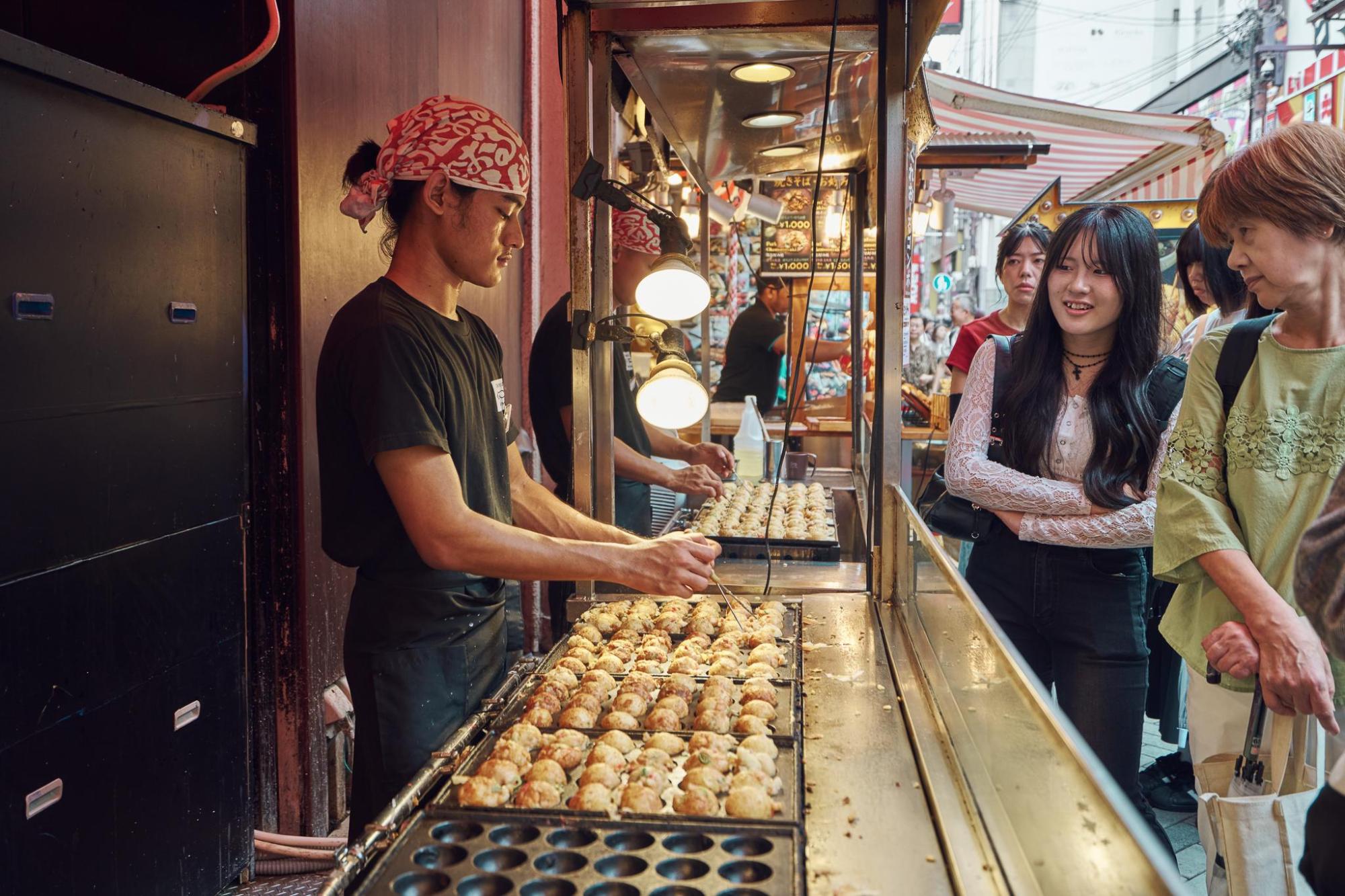
- People in Osaka take their food seriously, so try some of the local snacks at Dotonbori Street, Kuromon Market, or Shinsekai
Whether you're coming to eat until you drop, to explore the culture, or to enjoy the theme park rides, Osaka has something for everyone. It's a big city and has plenty to see, but when you visit Osaka you'll discover that its blend of heritage and good times is what makes the city so interesting.
There are a few things worth knowing before you arrive, especially if it's your first time in Osaka. To help you plan your trip, let's have a look at some useful travel advice for Osaka.
When to visit Osaka
Although Osaka is a city that you can visit any time of the year, it does have four main seasons that each offer something different for travelers.
Spring: Peak
The most popular time of the year for visitors, spring in Osaka (March–May) offers pleasant weather as well as city streets bursting with cherry blossoms.
But because the city gets so many visitors, the main attractions can be crowded and the price of accommodation is usually high – although it's not quite as noticeable as nearby Kyoto.
Summer: Off-peak
The days can be hot and humid during summer (June–August) which keeps visitor numbers lower, especially as there's more chance of rain. But this is also when some of Osaka's main festivals take place, so there can be a fun atmosphere in the city.
You'll find accommodation prices are a bit lower and the city isn't as crowded, so it can still be a great time to visit Osaka.
Fall: Peak
As the leaves start to change color, visitor numbers again increase in Osaka in fall (September–November). The oranges and reds of the trees add a vibrancy to the streets, while the mild weather makes it a good time of year to discover the city's outdoor attractions.
Although not quite as busy as spring, it's a good idea to book accommodation in advance, especially later in the season.
Winter: Off-peak
The cold temperature and the shorter days tend to mean fewer visitors in winter (December–February) but the days can actually be quite sunny, making it a nice time to visit Osaka.
Prices are cheaper, and there can be a festive mood towards the end of the year. However, the week around New Year can be very quiet because Japanese people tend to celebrate at home with their families.
How long to stay in Osaka
With three or four days in Osaka, you'll be able to see most of the main sights – and possibly even spend the day at Universal Studios. But it's also very easy to spend longer in the city.
With a seven-day itinerary in Osaka, you'll be able to visit the main attractions, explore the famous food scene in more detail, and do day trips to nearby cities like Kyoto and Nara.
How to get around Osaka
When you're visiting Osaka, you'll need to travel between the city's main districts to see many of the main sights. The excellent public transportation system is often the best way to get around Osaka, but there are also some other good options.
Prepaid transportation cards
If you're going to take more than a few rides on Osaka's public transportation system, it'll probably be easier to use a prepaid transportation card. This means you won't have to buy individual tickets with cash each time, and you won't have to navigate the complex ticketing system of different companies operating different lines.
There are a few options for prepaid cards in Japan—also known as IC cards—but they're all very similar. The most common card in Osaka is called an ICOCA and so it makes sense to get this one if you're starting your trip in Osaka. However, if you already have a Suica from Tokyo, for instance, you can just keep using that.
With one of these cards, you can preload credit and then just tap on and off each time you ride on public transportation.
Public transportation: rail
The main way people get around Osaka is on the local metro system, which has nine lines serving more than 120 stations. During peak hours, the trains can come every two minutes.
One of the main metro lines that visitors use is the red Midosuji Line, which connects the main tourist and accommodation areas. But you can also use the metro to get to places like Osaka Bay and Osaka Castle.
There are also JR train lines in Osaka that can be useful for getting around the city. The main JR Osaka Loop Line goes in a circle around the center of the city and connects with the metro at several places. The JR Yumesaki Line takes you to Universal Studios.
Public transportation: Bus
Osaka also has a large network of public buses that cover the city, but they're not commonly used by visitors. As you'll discover, the metro and train lines go to almost all of the main tourist areas, so there's no need to use the bus network.
As with most buses in Japan, you get on through the rear door and pay for the ride at the front door as you exit. Osaka's buses have a fixed fare, regardless of how far you travel, so you don't need to tap on or take a ticket as you board.
Taxis
Taxis are another good way to get around Osaka. You can hail them on the street by waving or find them waiting at ranks at busy places like train stations.
Although they can get caught in peak hour traffic, taxis are a fast and comfortable option. They are relatively expensive by global standards, though.
Some rideshare apps do work in Osaka but they can't use private vehicles, so they only connect to registered taxis. One advantage is that you'll see the price in advance, and you'll be able to set your destination without any language issues.
Where to stay during your trip to Osaka
Although it's a large city, many of Osaka's main attractions are quite central. When you're choosing where to stay in Osaka, these inner-city districts are the most convenient:
- Namba: In the heart of the city's entertainment district, you'll find a lively atmosphere with busy shopping centers, markets, and the famous Dotonbori food street.
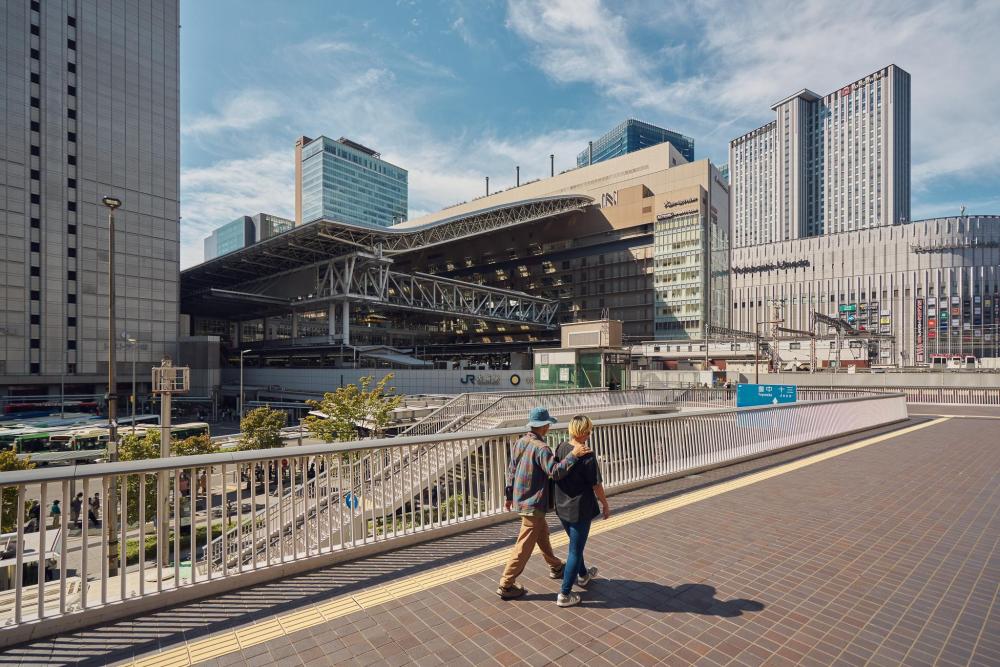
- Umeda: A more commercial district to the north of Namba, it's dominated by large modern buildings and has excellent transportation links from Osaka Station.
- Tennoji: A slightly quieter part of central Osaka, the streets are full of heritage and some of the city's attractions are within walking distance.
Essential things to know about Osaka
To make the most of your visit to Osaka, there are a few more bits of travel advice to consider.
Food culture
Osaka is known as the kitchen of Japan and the local approach to food is captured in the expression "kuidaore", which means "eat until you drop." When you're visiting, don't just look at the local food as a way to satiate your hunger – eating is an attraction in itself.
When it comes to snacks at places like Kuromon Market or the Shinsekai neighborhood, try takoyaki (octopus balls) or kushikatsu (deep-fried skewers of meat or vegetables).
For something heartier, head to the iconic food precinct of Dotonbori Street to try okonomiyaki (savory pancake) or dine at the Kani Doraku crab restaurant, which has a large moving crab sign out front. Or perhaps choose from one of the city's many Michelin-starred restaurants.
The tap water is safe to drink in Osaka and there's no need to drink bottled water, even though many hotels will provide some in the room.
Don’t eat while walking
Although there are lots of street food stalls around Osaka, particularly in the market areas, it's considered rude to eat while walking.
If you buy a snack from a vendor, either eat it there or carry it away to eat somewhere like a park. You won't find many trash cans in Osaka so when you're finished, be prepared to carry your trash with you. If there's a trash can at a food stall, it's supposed to only be for items from that vendor.
Tipping
Like all of Japan, tipping isn't required in Osaka and it can actually be quite rude to leave money for a server. To avoid causing any offense, take all the change you're given, even if it's just a small amount of coins.
In some cases, there may be a service charge of about 10% for high-end restaurants or large groups, which will be stated on the menu.
Walk on the left
In Japan, driving is on the left hand side of the road. Because of that rule, the convention is generally that people also walk on the left hand side of the footpath.
In most parts of the country, including Tokyo, people stand on the left hand side of the escalator so that people who are walking on the escalator can overtake on the right, similar to drivers.
However, Osaka has a quirk where people stand on the right hand side of the escalator so that faster people can continue to walk on the left.
It can be a bit confusing and not everyone follows the convention. The best approach is just to do whatever you see other people doing.
Shoe etiquette
It's very common in Osaka to be expected to take off your shoes before entering certain buildings. You'll likely come across this at religious sites like Shitennoji Temple, but also some heritage sights, ryokan (traditional inns), and restaurants where you sit on the floor.
There will normally be a space like wooden shelving where you can leave your shoes. If slippers are provided, you should wear them. It's considered rude to walk in bare feet, so always keep your socks on – you'll find lots of stores, including convenience stores, that sell socks if you need new ones.
Carry cash
While you'll be able to use credit cards at larger businesses like hotels and department stores, many places in Osaka still only accept cash. This is especially common for smaller stores like restaurants.
You'll need to always carry cash with you in Osaka and you'll likely find ATMs at convenience stores are the easiest places to withdraw yen. It can be a good idea to carry some kind of purse for all the coins you'll receive as change – which are useful for vending machines.
Safety
Osaka is known as a very safe city, but it's still sensible to secure your valuables when you're exploring the city. In the entertainment districts like Namda and Dotonbori, there may be touts in the evening encouraging you to visit their bars and clubs for free drinks. It's best to ignore them because there might be hidden costs or exorbitant cover charges.
If you do have any problems:
- Dial 110 for emergencies
- Look for a local police box called a koban, normally located at major intersections and train stations
What to pack
Be prepared for your adventure with these essentials:
- Appropriate clothing: Japanese people dress relatively modestly. It's considered respectful to wear long trousers when you visit temples and shrines or in formal situations, even in hot weather. You may also want to consider packing shoes that are easy to take off.
- Tissues or a handkerchief: Many public bathrooms don't have dryers, so people in Osaka often carry a small washcloth.
- Trash bag: You won't find many trash cans in Osaka so it’s a good idea to carry a bag for trash to store everything until you find a convenience store – these always have designated recycling bins.
- Adapter: Japan uses a two-prong Type A plug for electronics, which is the same as the U.S.A. If you have items that use a different type of plug, you'll need to also pack an adapter.
Top things to do when visiting Osaka
Whether you're basing yourself in Osaka for a week or just passing through for a couple of days, don't miss some of these main sights:
- Osaka Castle: The symbol of the city, the castle you see today is a 1931 reconstruction with a museum inside and landscaped gardens surrounding it.
- Dotonbori Street: Osaka's famous nightlife strip with endless food stalls, restaurants, and bars to explore in the evening.
- Universal Studios: One of the world's most popular theme parks, it's easy to spend the whole day enjoying the rides and entertainment in the different themed lands.
Osaka travel tips: Hidden gems
If you have time, it's worth exploring some of the interesting districts that are easy to reach from central Osaka.
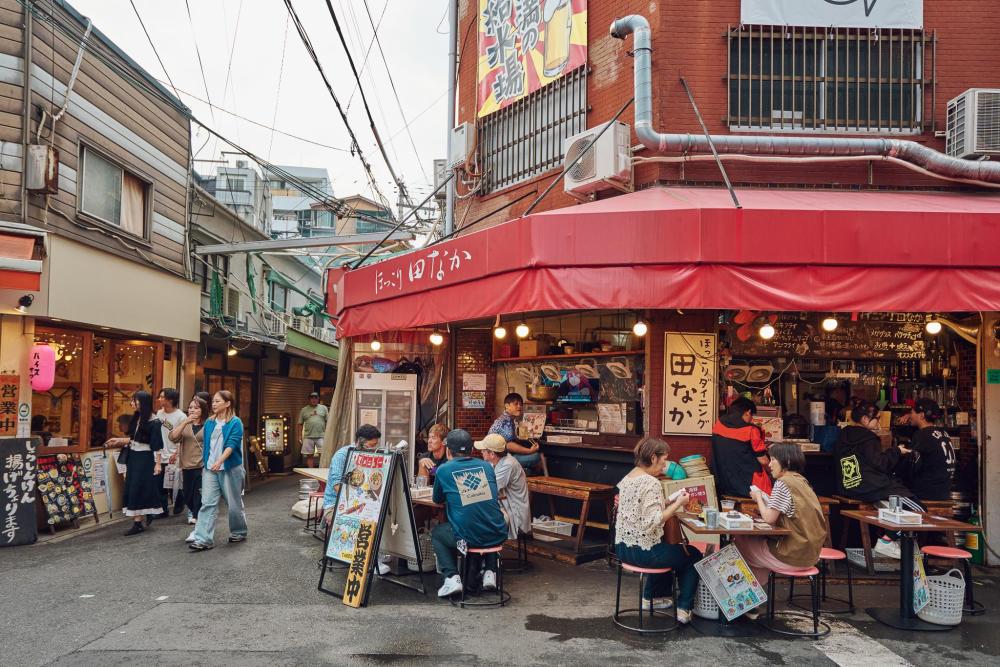
- Shinsekai: A fun retro neighborhood where you can find video game arcades, traditional theater, local snacks, and an Eiffel Tower-inspired landmark.
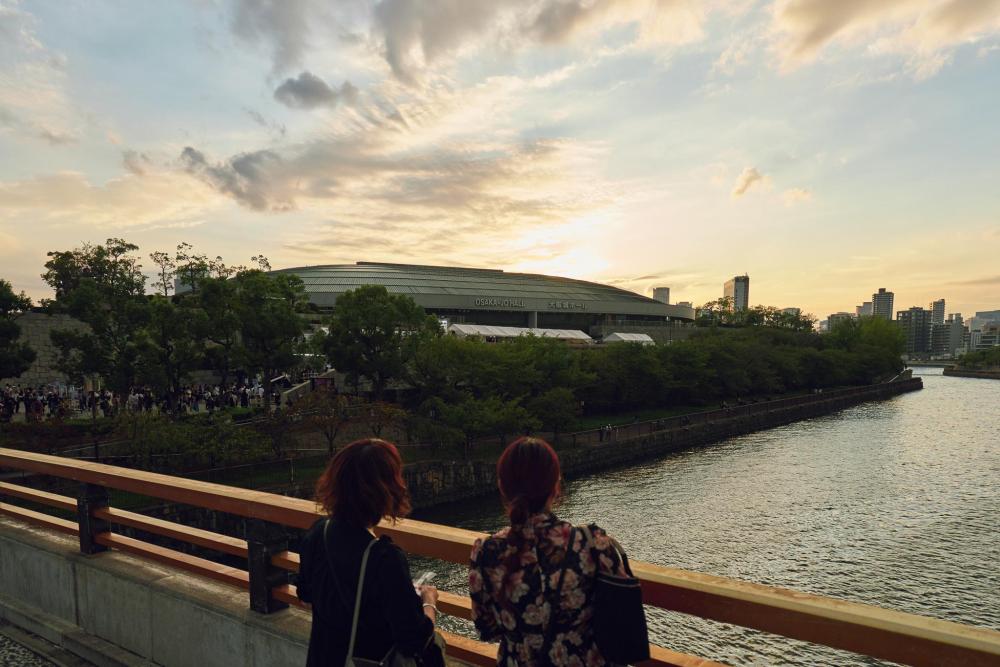
- Nakanoshima: This modern cultural precinct on a thin island between two rivers has a collection of excellent museums and art galleries.
- Sakai: Technically a separate city to Osaka, it's just a short train ride to Sakai. There, you can see ancient burial mounds and the famous knifemakers at work.
All the ingredients for a fun stay
With Osaka being known as the kitchen of Japan, food will be a big focus of your time in Osaka – but it's just one of the things that makes the city such a great place to visit. To make the most of your time, try to experience the variety of Osaka. See some heritage, explore a bit of modern (or retro) culture, and go shopping in the markets. And, of course, eat as much as you can.
Disclaimer: The views and opinions expressed are those of the author and don't necessarily reflect the official policy or position of our company.