
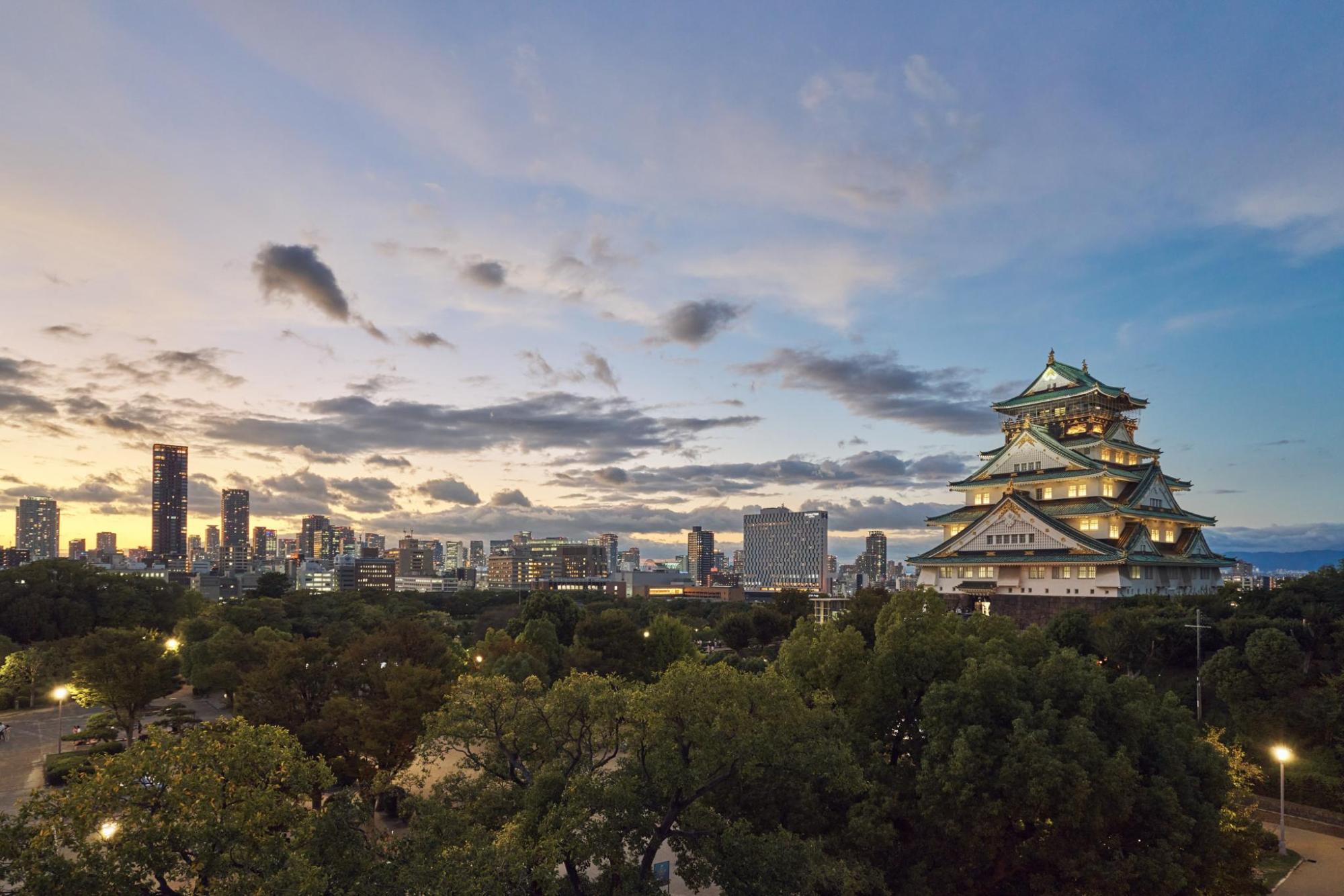
- Discover Osaka's heritage at its castle, temples, and tombs
- Join a sushi making class or soak in an onsen for an authentic Japanese experience
- Experience the city's modern attractions at amusement parks, skyscrapers, and shopping centers
Osaka may be a large city by international standards, but compared to the metropolis of Tokyo, it can feel more like a village. Outside the commercial center, many of the main sights are in suburban areas and you'll often feel like you're exploring a local neighborhood.
In this seven-day Osaka itinerary, you'll visit the city's main icons, including heritage sites and sky-high observation decks. But there's also lots of time to try the local cuisine, experience some authentic customs, and maybe even ride some rollercoasters.
Day 1: Osaka Castle and an izakaya tour
Morning
To keep the Osaka itinerary light for the first, spend the morning at the city's most famous sight, Osaka Castle. The first one was built in 1583 but, after burning down twice, what you see today is a 1931. Many of the castle's eight levels are filled with fascinating museum exhibitions about the building and its inhabitants. It’s worth climbing to the top for the views.
Afterward, wander through the surrounding Osaka Castle Park, full of historical monuments and gardens. In particular, explore Nishinomaru Garden for its beautiful Japanese landscaping and cherry blossoms in spring.
Afternoon
There aren't many food options in the park, but the nearby Shuhari restaurant does good soba and tempura. It's just a block from the Osaka Museum of History. Spread over several levels, it uses large models to tell the story of the city's evolution, from an ancient capital through to the bustling metropolis it is today.
If you still have time, wander across the road to the Naniwa-no-Miya Palace Ruins for a quick look around the park on the site of Japan's 7th century capital.
Evening
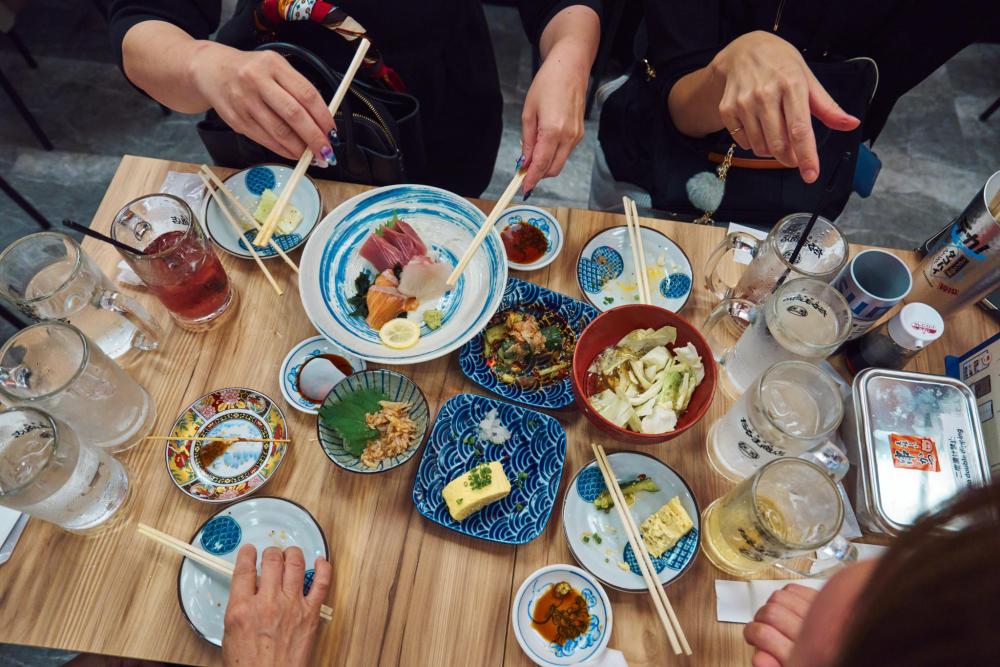
Osaka has a reputation for its excellent dining and nightlife. There'll be time to explore some of the different dishes and restaurant districts later in the week, so tonight starts with an izakaya tour to help get your bearings.
Izakayas are small casual bars that also serve food and are a fun part of Japanese culture. You’ll get a lot more out of visiting a few of them with a local guide, who will be able to explain the customs and introduce you to some unique dishes.

Day 2: Temples, Shinsekai, and epic views
Morning
Start the morning at Shitennoji Temple, said to be the first Buddhist temple in Japan when it was founded in 593. Although no original buildings remain, the reconstructions give you an impressive sense of its heritage, including from the top of the five-story pagoda.
Afterward, stroll through Tennoji Park and past a few more temples. If you have time, you might like to stop to see the traditional Japanese landscaping of Keitakuen Garden or the Asian collection in the Osaka City Museum of Fine Arts.
Afternoon
Continue across the park to Shinsekai, a quirky district full of interesting retro things to see and do. It was developed in 1912 as a recreational area, half based on New York and the other half on Paris, which is why the centerpiece of Tsutenkaku Tower resembles the Eiffel Tower.
As well as going up the tower, you can walk the alleyways to find video game arcades, boutique and souvenir stores, a traditional theater, and plenty of street food. One of the area's best-known snacks is kushikatsu, deep-fried meat or vegetables on a skewer. For a heartier lunch, grab noodles at Sohonke Sarashina or the famous cutlet sandwich at Grill Bon.
Evening
As the sun goes down, take the 0.6 mile walk back through the park to Abeno Harukas, a soaring skyscraper that, at 984 high, was the tallest in Japan until 2023.
The top floor of Abeno Harukas is a 360-degree glass-enclosed observation deck that gives you unparalleled views across Osaka, past skyscrapers, over parks, and out to the water. You can visit during the day, but the nighttime vista filled with neon lights is particularly impressive.

Day 3: Cooking class, onsen, and illuminated art
Morning
After some busy sightseeing yesterday, let's slow down today and start with Osaka’s famous food scene. You’ve already eaten some local dishes, so now you can learn to make some at a cooking class, with several options to choose from across the city.
Some classes are held in people's homes, where you'll also get a fascinating insight into daily life, while other lessons are focused on particular dishes like sushi. A Japanese instructor will teach you about the ingredients, the cooking styles, and the cultural significance of the cuisine.
Afternoon
Visiting an onsen (hot spring bath) is a particularly Japanese activity that is more commonly located outside the big cities. But in Osaka, there are a few ways to have a relaxing afternoon getting a taste of the onsen experience.
One option is Spa World, a large indoor theme park that has some Japanese-style onsen and European-inspired baths, plus saunas, a swimming pool, and slides. Or for something more authentic, there's an onsen complex at Osaka's main train station, with a series of traditional-style indoor and outdoor baths.
Evening
While the Nagai Botanical Garden is a pleasant park to visit any time of the day, at night it comes alive with a light show created by the teamLab art collective. Plants are lit up, spheres of light grow from the ground, and there are projections onto trees and lanterns in the water. It takes about an hour to walk through the exhibition, so it can be done before or after dinner.
Day 4: Art galleries, shopping, and Dotonbori Street
Morning
Even if you saw the view of Osaka by night from Abeno Harukas earlier in the week, it’s worth starting this morning with a different panoramic experience from the observation area at the top of the Umeda Sky Building, 568 feet above ground level.
Then, it's not too far to the thin island between two rivers called Nakanoshima, a modern and vibrant cultural precinct. Spend the rest of the morning at either (or both) the National Museum of Art, with its impressive collection of Japanese works, or the Nakanoshima Museum of Art, with a focus on more contemporary art and design. And if you're a coffee enthusiast, you'll appreciate a cup at Glitch Coffee.
Afternoon
This afternoon, head to Shinsaibashi-suji, a famous shopping street in the heart of Osaka's commercial district. There are plenty of independent and chain stores if you're looking to buy something, but the 2000-foot undercover arcade is also a sight in itself.
Nearby, the large Kuromon Market, known as "Osaka’s Kitchen," has more than 150 food stalls serving delicacies like grilled scallops, Kobe beef skewers, and fresh melon, while an alley known as Hozenji Yokocho is a nostalgic Japanese experience with traditional stores and izakayas. It’s also not far to the Amerikamura area for its youth culture and fashion or Denden Town for its flashy electronics stores.
Evening
In the same commercial area is Dotonbori Street, Osaka's famous 400-year-old nightlife strip, where you can spend the rest of the evening. For dinner, get something casual at the iconic Kushikatsu Daruma or Chibo Okonomiyaki, or follow the huge moving crab sign to the Kani Doraku crab restaurant. For a cocktail, Hollow Bar or Bar Shiki are great examples of Osaka's small bar culture.

Day 5: Heritage, food, and craft in Sakai
Morning
Sakai may technically be a different city to Osaka, but they feel like one– their centers separated by just 7.5 miles of urban sprawl. Historically, Sakai has always been important, but it was during the medieval era that it became one of Japan's richest cities because it was a key international port.
Take the 20-minute train ride from Osaka’s Namba station (JPY 290 one way)* and start the day by exploring Sakai's World Heritage Site, a series of enormous burial mounds known as kofun. They were built about 1500 years ago for emperors and other dignitaries, with the largest one almost 1640 meters long. The best way to learn more about them is at the Sakai City Museum.
*The information above is sourced from the Nakai Electric Railway website in April 2026.
Afternoon
Sakai is also famous for its knife-making industry, where blades are forged with the same principles as samurai swords. Several knife workshops are open for visitors for an immersive experience meeting the local craftspeople and seeing them work.
To experience a traditional Japanese tea ceremony while you're here, visit the Sakai Plaza of Rikyu and Akiko where there are tourist-friendly experiences to learn about the tradition. A couple of blocks away, you can wander down the retro atmosphere of Yamanokuchi Shopping Street to find antique stores, boutique clothing stores, and traditional sweets at Yaogen.
Evening
Before heading back to Osaka, stay in Sakai for the evening to try some of the local cuisine. As a port city, fresh seafood is popular, while the most famous dish is udon-suki, a hot pot full of udon noodles cooked with a variety of meat and vegetables. The restaurant where it was invented, Mimiu Sakai, is the best place to try it yourself.

Day 6: rides and entertainment at Universal Studios
Morning
A great thing about a seven-day Kyoto itinerary is that you can dedicate a whole day to Universal Studios Japan, a huge theme park that's the third most-visited in the world! Just four miles from central Osaka, it’s easy to reach by car or is just 15 minutes on the train and subway.
Universal Studios Japan has multiple lands dedicated to iconic entertainment franchises. In the morning, you can explore the Wizarding World of Harry Potter, with the streets of Hogsmeade beneath the towering Hogwarts castle, then head over to the Jurassic Park world for rides through the jungle.
Afternoon
The most popular part of the theme park is Super Nintendo World, so you'll need a timed ticket. Once you're in, throw turtle shells on the Mario Kart ride or play the drums in Donkey Kong Country. Once you're done, head out to catch one of the afternoon shows or jump in a boat for a nostalgic cruise on the Jaws ride.
Evening
The park stays open until late, particularly during the warmer months, so you can spend the evening here as well. There are light shows in some of the worlds and lots of dining options, while the lines for some of the rides may be a bit shorter.

Day 7: Expo site, aquarium, and Ferris wheel
Morning
Way before it hosted the Osaka 2025 Expo, the city also hosted the World Expo in 1970. The district used for the event has been preserved, and it’s interesting to explore what’s now known as Expo '70 Commemorative Park. Across the large site, you'll find some of the original monuments, along with a Japanese garden and the Japan Folk Crafts Museum, which has ceramic wares and dyed fabrics.
The National Museum of Ethnology is also located out here, with exhibits from across the world. And just outside the park, Expocity is a huge modern entertainment complex with stores, family-friendly museums, sporting facilities, and Japan's tallest Ferris wheel.
Afternoon
On the other side of the city, near Universal Studios Japan, are some more attractions that are suitable for all ages. The Osaka Aquarium was the world's largest when it opened in 1990 and it's still enormous, with 27 tanks creating various habitats from across the world, including a Pacific Ocean exhibit with manta rays and whale sharks.
Next to the aquarium is the Tempozan Ferris Wheel, which is 369 feet high and takes 17 minutes to do a full revolution. It offers impressive views across Osaka Bay, the city and the surrounding mountains.
Evening
For a final meal in Osaka, you may want to head back to the busy Dotonbori Street, where there are more restaurants than you'll be able to try on one trip. Or for something new, the upmarket Kitashinchi district has lots of places to eat, including premium versions of the city's classic fried skewers at Kitashinchi Kushikatsu Bon or modern twists on Japanese classics at Kitashinchi Yumiba Shinnosuke.

Three, four, and five-day Osaka itinerary highlights
If you've only got time for a shorter trip, then these are the key attractions you can fit into a three-day or two-day Osaka itinerary:
- Osaka Castle: One of the icons of the city, it's a good way to learn about the history of Osaka.
- Observation decks: Both Abeno Harukas and the Umeda Sky Building have impressive views from their observation decks hundreds of feet above the ground.
- Shinsekai: This fun retro neighborhood is full of quirky amusements and places to try local snacks.
- Dotonbori Street: Osaka's main nightlife area is full of neon lights in the evenings and is a great place for a meal.
- Universal Studios Japan: This is one of the world's most popular theme parks, and for good reason, with its Super Nintendo World adding a unique Japanese flavor.
With any extra time, it's also worth doing a day trip from Osaka to Kyoto or Nara, if you're not planning to visit either city otherwise.
Top tips for your stay in Osaka
Although the scale of the city may be overwhelming at first, you should find things relatively easy once you pick up a few tips for visiting Osaka. A few useful things to know are:
- Osaka's extensive subway and train system is a convenient way to get around the city. It's worth using a rechargeable payment card to tap on, rather than buy individual tickets.
- Cash is still one of the main ways to pay for things in Osaka, and many small businesses won't take credit cards.
- In Osaka, people generally stand on the right side of the escalator and walk on the left, which is the opposite of Tokyo.
- There may be lots of street food in Osaka, but it's considered rude to eat while walking, so finish the snacks where you buy them.
- Be prepared to carry your trash with you because Osaka has very few trash cans in public areas.
Days of food and fun
Many of the neighboring cities, like Kyoto and Nara, have an emphasis on heritage because they're former capitals of Japan. But, as you can see from this suggested itinerary for Osaka, there's more of an emphasis here on interesting experiences and lots of time for eating. One of the joys of visiting Osaka is having that fun blend of tradition and modernity.
Disclaimer: The views and opinions expressed are those of the author and don't necessarily reflect the official policy or position of our company.