Nine years ago, we started coming to Usukan Island because we watched it dying...
Bomb fishing had destroyed the reefs. A heatwave wiped out another 70-80% of what was left. Wildlife was disappearing quietly and most people around didn't even notice.
So we stayed. We built a small off-grid conservation centre, started propagating coral by hand, and began protecting what remained of the forest. A community that refused to give up on one island.
Today, Usukan is slowly coming back — and we open our doors to a small number of guests who want to witness that recovery up close. MAXIMUM 10 people/night. That's a hard limit that we follow strictly, and it's not a marketing line. The island stays protected because access stays controlled unlike other places in Sabah people mostly visit
Most people who visit Sabah see it through a tour bus window or a resort balcony...
Usukan is different.
You're snorkelling through a reef we've spent nine years nursing back to life, hiking through primary rainforest that sees almost no foot traffic, and watching the sun drop into the South China Sea from a coastline with no other guests, no other boats, and nothing between you and the horizon.
There's no light pollution out here. The nights are genuinely dark and the kind of quiet that's hard to find anywhere anymore.
The accommodation is open-air, simple, and honest — basic chalets built to keep you inside the environment rather than sealed off from it. If you're expecting air conditioning and room service, this place will disappoint you. If you're after something you won't find anywhere else in Borneo,
If you're someone who...
- wants to experience a PRIVATE Conservation ground
- loves nature
- who is okay with a simple accommodation & lifestyle
- loves the outdoors & adventure
- wants to sleep at a place with LESS THAN 10 people/day
you're in the right place.
Welcome to One Ocean Nature Conservation Centre Usukan Island, Sabah, Borneo & let us make your experience the best!
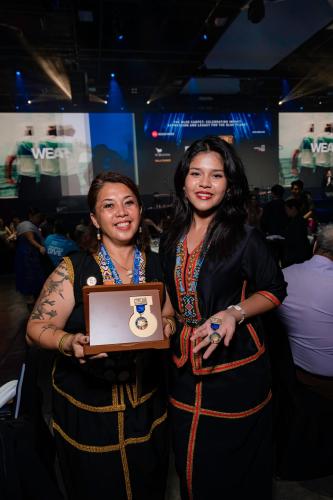
Hi, I'm Monica! — founder of One Ocean Nature Conservation Centre and a Sabahan who has been diving these waters for over 30+ years.
I started this centre because I grew up beside these reefs and forests, and I watched what happened when nobody protected them. for the past 4 years of operating this centre, we have hosted more than 500+ guest on the island.
What we're building on Usukan Island isn't just a conservation programme — it's something I believe my grandmother's generation understood and we're only now remembering. That nature and people aren't separate. That communities are the best guardians of the places they come from.
When you arrive, you'll be looked after by our three island crew who make this place what it is:
Jiun is our Bajau Ubian local — born from one of the oldest sea-faring communities in Borneo. He doesn't speak much English but he'll have you laughing within the hour if you pay attention. He knows these waters better than anyone.
Vale is our divemaster and the kind of person who makes every snorkel briefing feel like a stand-up show. He's been in and around this reef long enough to know every corner of it.
Olie is the one who'll check on you, sit with you, and make sure you actually feel at home out here. If you're finding island life an adjustment, she's your person.
We're all local. We're all proud of where we come from. And we genuinely love having people out here who care about this place as much as we do!
Usukan Island sits just 15 minutes by boat from Kuala Abai, a small coastal village in Kota Belud district — about 20 to 30 minutes from Kota Belud town itself.
Kota Belud is one of Sabah's most authentic market towns, known for its famous weekly tamu — a traditional open-air market where local Bajau and Kadazan-Dusun communities gather every Sunday to trade fresh produce, street food, handmade goods, and livestock. It's the kind of place that hasn't been polished for tourists, which is exactly what makes it worth visiting.
The surrounding area is quiet, rural, and genuinely local. Kuala Abai itself is a small fishing village where most of our island crew come from — you'll see fishing boats heading out in the early morning and kids playing along the jetty in the afternoon.
For those arriving from Kota Kinabalu, the drive to Kuala Abai takes roughly 1.5 to 2 hours through countryside and coastal road — and honestly, the drive itself is part of the experience. Mount Kinabalu, the highest peak in Southeast Asia, is visible on a clear day from the road.
This is not a neighbourhood with beach clubs or cocktail bars. It's rural Sabah — and for the right kind of traveller, that's the whole point.
Languages spoken: English,Malay